Professional Smoke Damage Cleanup vs DIY Cleanup After a Wildfire: What Snowflake AZ Homeowners Get Wrong
The most common misunderstanding about wildfire smoke damage in Snowflake is also the most understandable one. The fire never reached the house. There is no charring, no burned structure, no visible damage. There is ash on the patio, a haze that has settled, and a smell that will not leave. It looks like a cleaning problem.
It usually is not. Or rather, it is not only a cleaning problem.
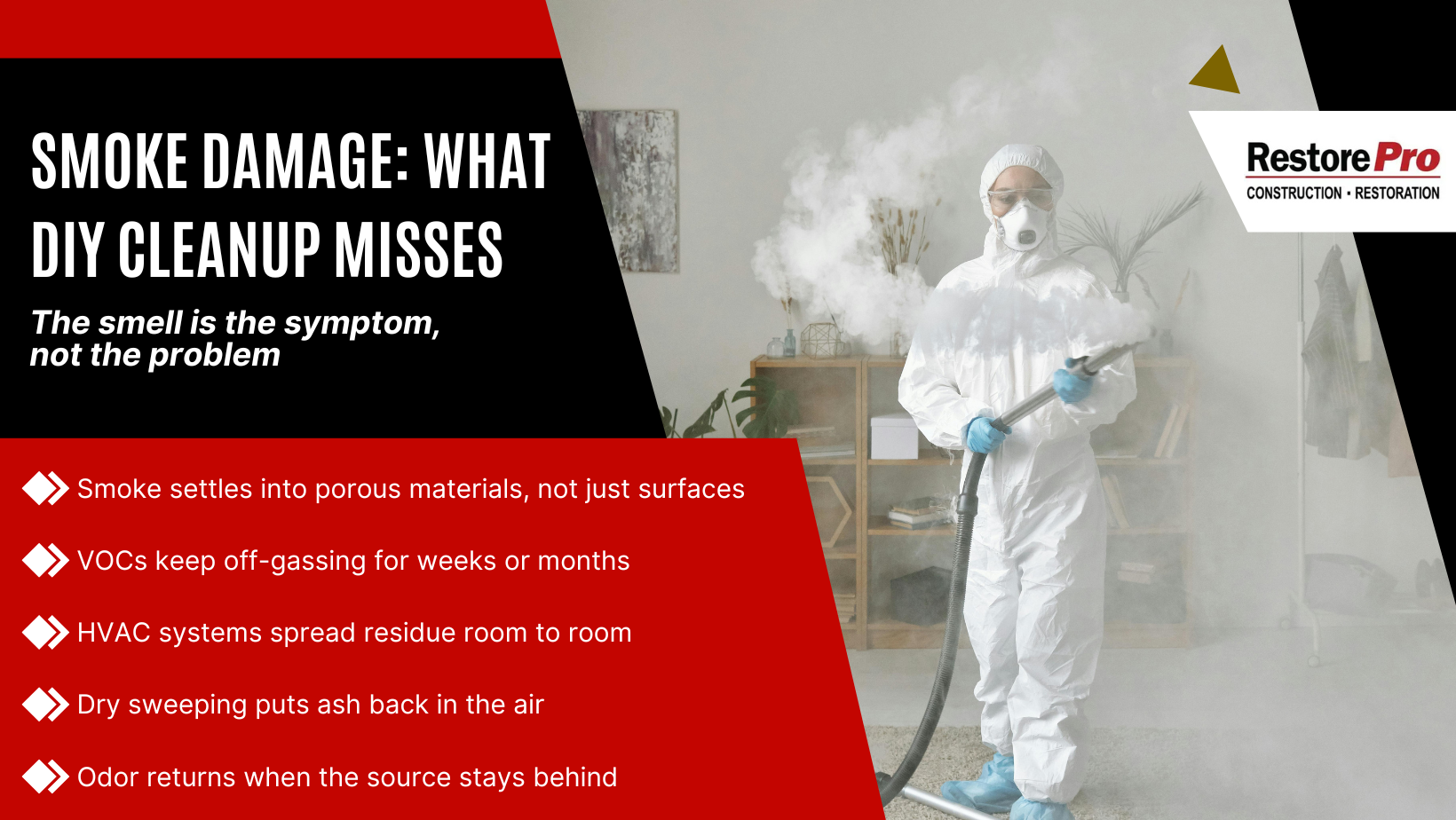
Smoke from a wildfire carries fine particulate matter and volatile organic compounds that settle into and onto porous materials throughout a home: drywall, insulation, carpet, upholstery, cabinetry, and the interior of the HVAC system. Those compounds do not simply sit on the surface waiting to be wiped away. They deposit, absorb, and continue releasing back into the indoor air over a period of weeks to months.
RestorePro has responded to smoke and fire damage in the Snowflake area since 2005. This guide is not about talking homeowners out of doing their own cleanup, because there is real work a homeowner can and should do. It is about being clear on where that work ends and why, so nobody spends a season cleaning a house that needed a different kind of help.

What Wildfire Smoke Actually Leaves Behind in a Home
Understanding why DIY cleanup falls short starts with understanding what is actually in the house.
Wildfire smoke is not only burned vegetation. When a fire moves through an area with structures, vehicles, and outbuildings, the smoke plume carries the products of everything that burned. The U.S. Environmental Protection Agency documents that smoke, ash, and soot deposit particulate matter, volatile organic compounds, and other chemicals onto furniture, walls, floors, and interior surfaces, and that these chemicals continue releasing into the air over the weeks following a fire.
What that means inside a Snowflake home:
- Fine particulate settles everywhere, including surfaces that are never routinely cleaned
- VOCs absorb into porous materials like drywall, insulation, carpet padding, and upholstery
- The absorbed compounds off-gas continuously, which is why the smell returns after surface cleaning
- HVAC systems distribute residue through ductwork into rooms the smoke never directly entered
- Severity varies by material, with soft goods and unsealed surfaces holding far more than hard, sealed ones
The
EPA is explicit that smoldering materials produce pollutants capable of causing adverse health effects from inhalation or ingestion of even small amounts, and that children, older adults, and people with preexisting respiratory conditions are especially vulnerable.
What EPA Guidance Says About Homeowner Cleanup
There is real, legitimate cleanup work a homeowner can do after wildfire smoke, and the EPA publishes specific guidance on doing it safely. RestorePro encourages homeowners to follow it, because these steps genuinely reduce exposure and are worth doing regardless of whether professional restoration follows.
The EPA's ash cleanup guidance covers the essentials:
- Do not dry sweep. Mist surfaces with water first, then wet mop. Dry sweeping puts settled ash back into the air you are breathing.
- Use a HEPA vacuum only. A standard vacuum passes fine particulate straight through the filter and back into the room.
- Wear protection. Gloves, long sleeves, long pants, closed shoes, and an N95 or P100 respirator during any cleanup work.
- Keep certain people out of it entirely. The EPA advises that children, older adults, and people with heart or lung conditions should not participate in cleanup.
- Use as little water as necessary when wetting ash, and avoid actions that stir particles into the air.
- Air out when air quality allows, opening windows and running exhaust fans during clear periods.
That is honest, useful work. It reduces the particulate load and lowers immediate exposure. What it does not do is address the compounds that have already absorbed into porous materials, or the residue distributed through the HVAC system, which is where the persistent odor lives.
Where DIY Cleanup Reaches Its Limit
| What DIY handles well | What it cannot reach |
|---|---|
| Visible ash on hard surfaces | Residue absorbed into drywall and insulation |
| Washable textiles and linens | VOCs in carpet padding and upholstery foam |
| Countertops, floors, sealed wood | Interior of ductwork and HVAC components |
| Exterior patios and entry areas | Wall cavities and behind-fixture spaces |
| Immediate particulate reduction | Ongoing off-gassing from absorbed compounds |
The pattern RestorePro sees most often in Snowflake homes follows a predictable arc. A homeowner cleans thoroughly, the house smells better for a stretch, and then over the following weeks the odor returns, usually strongest on warm days when higher temperatures accelerate off-gassing from the materials holding the residue.
That return is not a sign the cleaning was done poorly. It is a sign the source was never in the places the cleaning could reach.

What Professional Smoke Restoration Actually Does Differently
Professional smoke damage restoration is not a more thorough version of household cleaning. It addresses different problems with different methods.
Assessment before any work begins. The scope of smoke intrusion is measured rather than guessed, including which materials absorbed residue, how far the HVAC system distributed it, and which areas of the home were affected beyond the obvious ones. This determines what actually needs treatment and what does not.
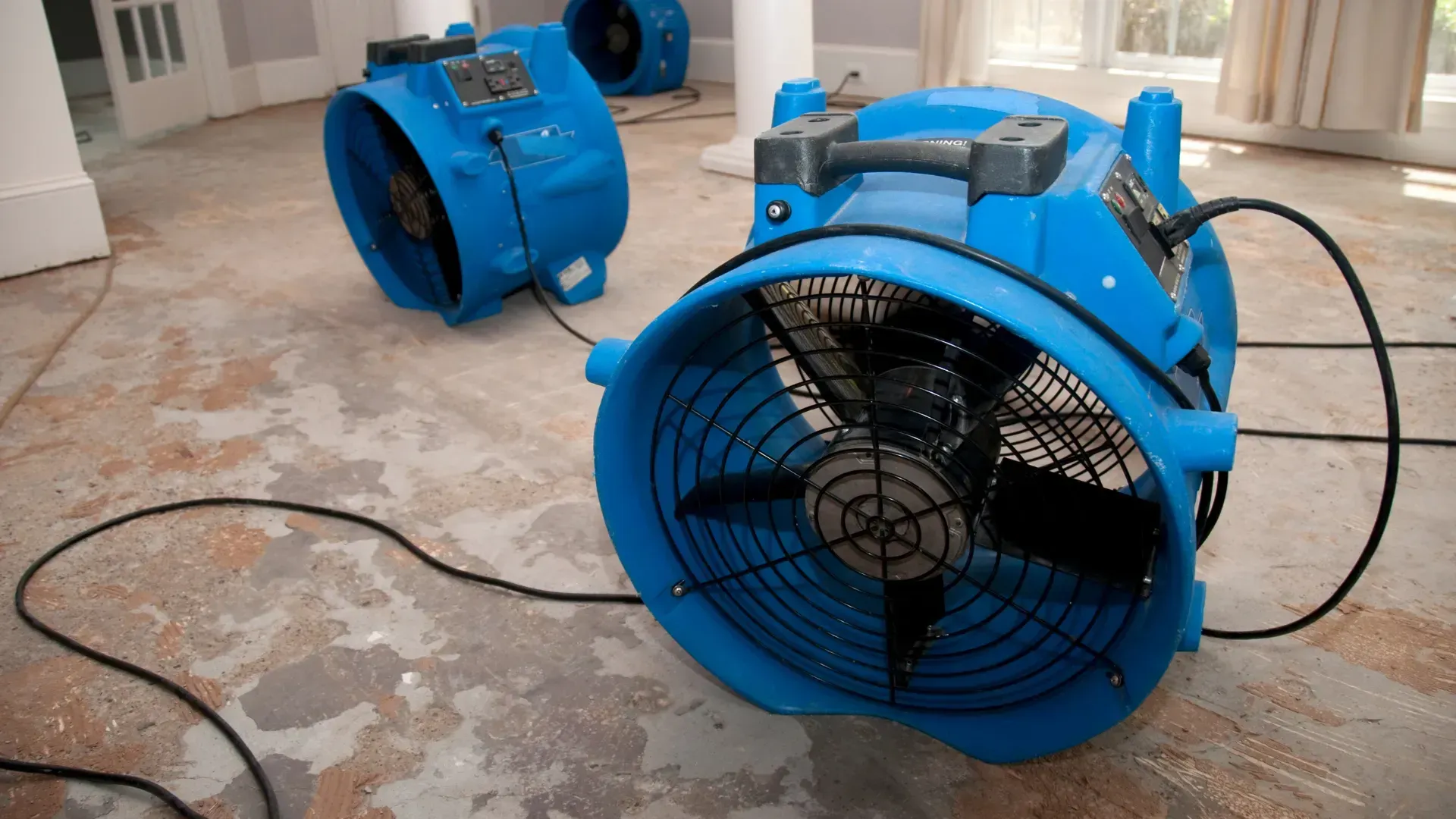
HEPA filtration and air scrubbing. Commercial air scrubbers run continuously through the restoration process, capturing airborne particulate and VOCs that cleaning disturbs and releases. This is the difference between removing residue and relocating it.
HVAC system cleaning. Ductwork, coils, and blower components that circulated smoke get cleaned rather than left to redistribute residue every time the system runs. The EPA notes that duct cleaning is warranted when ducts are clogged with debris or when particles are being released into the home during operation, which is exactly the post-wildfire condition.
Source removal on affected materials. Materials that have absorbed residue beyond what cleaning can address, certain insulation, carpet padding, and severely affected soft goods, are removed rather than treated. Odor that has a source in the structure does not respond to surface work.
Odor treatment at the molecular level. Thermal fogging, hydroxyl generation, and ozone treatment neutralize odor compounds rather than masking them. Masking agents are why some cleanups smell fine for two weeks and then do not.
Verification before closeout. The work is confirmed complete rather than assumed complete, and the home is returned in a documented condition.
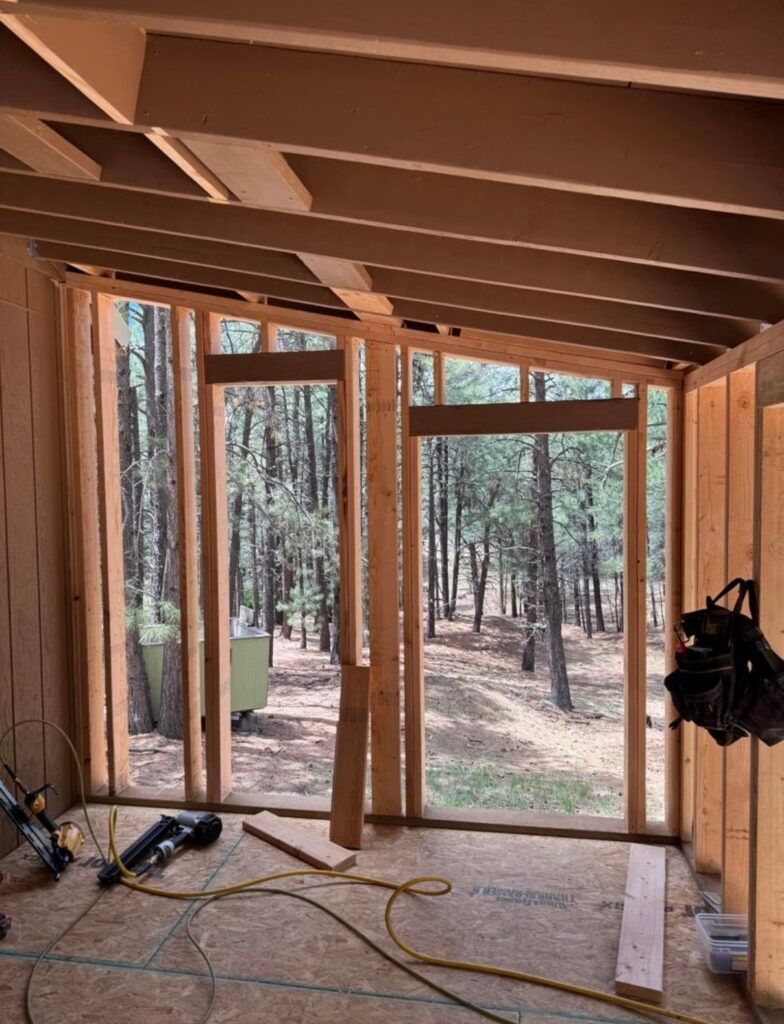
Reconstruction when it is needed. Where materials were removed, RestorePro's licensed construction crews handle drywall, insulation, flooring, and finish work. The homeowner works with one team from the first assessment through the final walkthrough rather than coordinating separate contractors.
The Insurance Piece Homeowners Miss
Smoke damage from a wildfire is generally a covered peril under standard homeowners policies, including in homes the fire never physically reached. Many Snowflake homeowners do not file because there is no visible damage, and that assumption costs them.
What matters for the claim:
- Document before cleaning. Photograph ash, haze, affected surfaces, and HVAC filters before any work begins. Cleaning removes the evidence of the condition.
- Professional assessment carries weight. An adjuster evaluating a smoke claim needs documentation of scope, affected materials, and air quality conditions. A homeowner's description of a lingering smell is harder to substantiate.
- Keep receipts for everything, including cleaning supplies, air filters, temporary lodging, and any DIY work performed.
- Smoke-only claims are legitimate claims. The absence of fire damage does not mean the absence of a covered loss.
RestorePro documents conditions from the first day of assessment and provides that documentation for insurance purposes. The team works alongside adjusters regularly and can answer scope questions directly, which shortens the process for the homeowner. More detail is available on the
insurance claim page.
How Long the Restoration Process Takes
| Phase | What happens | Typical timeline |
|---|---|---|
| Assessment | Scope measured, documentation captured | Day one |
| Containment and air scrubbing | HEPA units deployed, affected areas isolated | Day one, running throughout |
| Surface and content cleaning | Structure, contents, and salvageable goods treated | Two to five days |
| HVAC cleaning | Ducts, coils, and components addressed | One to two days |
| Odor treatment | Molecular-level neutralization | One to two days |
| Verification | Conditions confirmed before closeout | Final day |
| Reconstruction | Materials replaced and finished, if required | Varies by scope |
Most smoke-only restoration projects on a Snowflake home fall in the range of several days to two weeks depending on severity and square footage. Homes requiring material removal and reconstruction run longer, and that portion is scoped separately with its own timeline.
Frequently Asked Questions
My Snowflake home was never touched by fire. Do I really need professional smoke cleanup?
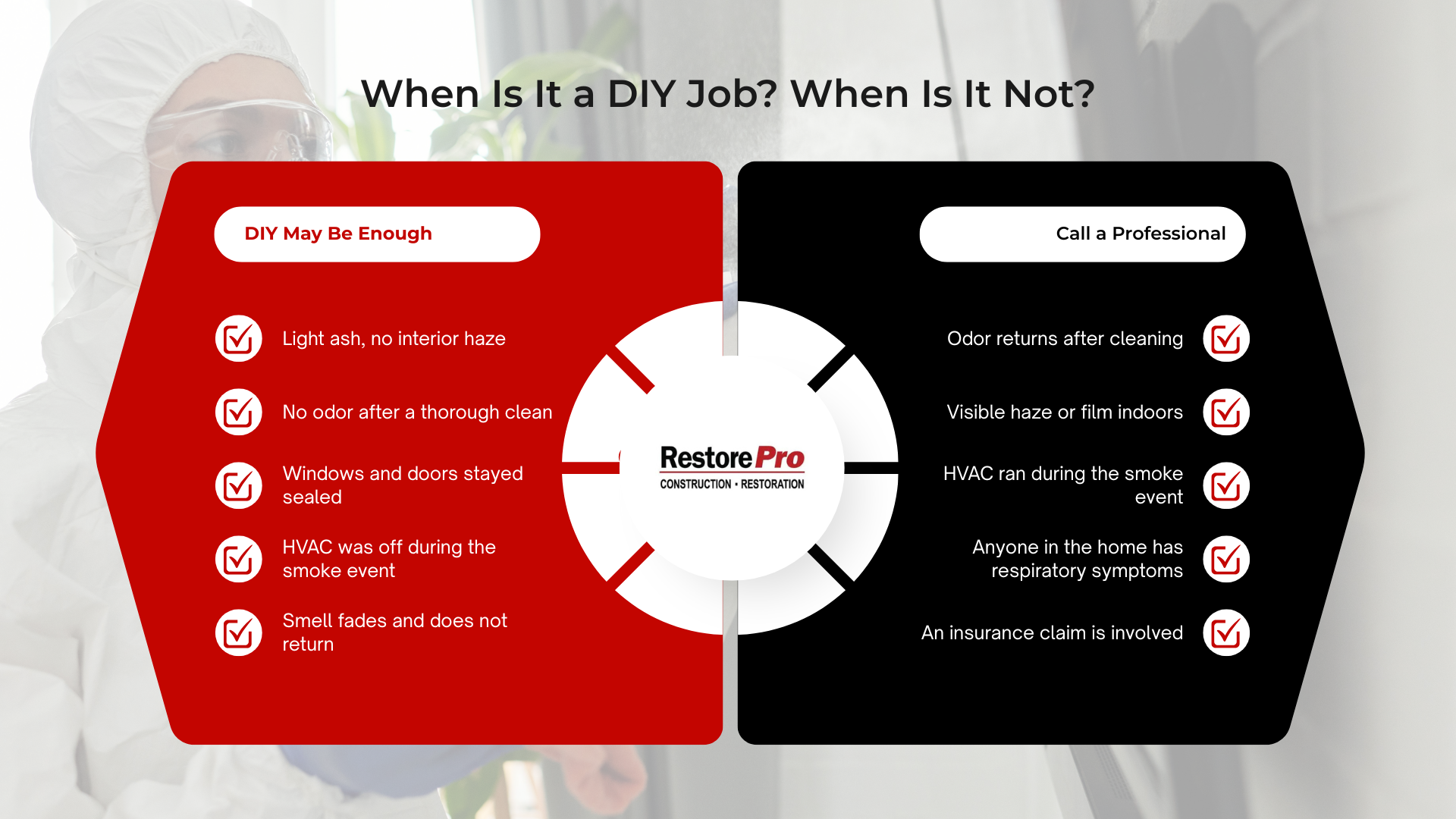
It depends on what the assessment finds. Homes that stayed sealed during the smoke event, whose HVAC systems were off, and where no odor persists after a thorough EPA-guided cleaning are often fine without professional restoration. Homes where the odor returns, where interior haze or film is visible, or where the HVAC circulated smoke usually have residue in places household cleaning cannot reach. A professional assessment answers the question definitively rather than leaving a homeowner guessing through a season of recleaning.
Why does the smoke smell keep coming back after I clean?
Because the smell is coming from volatile organic compounds absorbed into porous materials, not from residue sitting on surfaces. Drywall, insulation, carpet padding, and upholstery hold those compounds and release them back into the air continuously, which the EPA documents as continuing for weeks after a fire. Surface cleaning removes what is on top. The absorbed source keeps working underneath.
Is wildfire ash in my home actually dangerous?
The EPA advises treating it carefully. Ash and smoke residue can irritate eyes, skin, and airways, and the agency specifically recommends that children, older adults, and people with heart or lung conditions stay out of cleanup work entirely. Anyone doing cleanup should wear gloves, long sleeves, long pants, and an N95 or P100 respirator, and should never dry sweep, which puts settled particulate back into the air.
Should I run my HVAC system after a wildfire smoke event?
Not until it has been assessed. If the system ran during the smoke event, ductwork and components likely hold residue, and running it circulates that residue through the home continuously. Replace filters, avoid running the system if odor is present, and have the ducts evaluated before returning to normal operation.
Will homeowners insurance cover smoke damage if my house did not burn?
Smoke damage is generally a covered peril under standard homeowners policies, and a home does not need to have sustained fire damage for the claim to be legitimate. Documentation is what determines how well the claim resolves, which is why photographing conditions before any cleaning matters. RestorePro documents from day one and provides that record for the claim.
Does RestorePro handle the repairs too, or just the cleaning?
Both. RestorePro provides smoke and fire damage restoration and then handles any reconstruction the project requires through licensed construction crews. Drywall, insulation, flooring, and finish work are completed by the same company, so the homeowner is not coordinating a separate contractor after the restoration phase ends.
Whether you are dealing with lingering smoke odor, ash throughout the house, or uncertainty about whether your home needs professional attention after a wildfire, RestorePro provides assessment, expert restoration, and complete rebuilding services in Snowflake. From the first call through the final walkthrough, one team handles the full scope.
Smoke and Fire Damage Restoration
Recent Posts
RESTOREPRO
Is Your Property Damaged Right Now? Do Not Wait.
Every hour without professional mitigation means more structural damage and higher repair costs. Whether you are dealing with standing water, fire residue, or visible mold growth, the fastest decision you can make is calling a team that is already on the way. RestorePro has certified crews on call across Payson, Show Low, Snowflake, and Winslow, ready to respond within 30 minutes of your call.