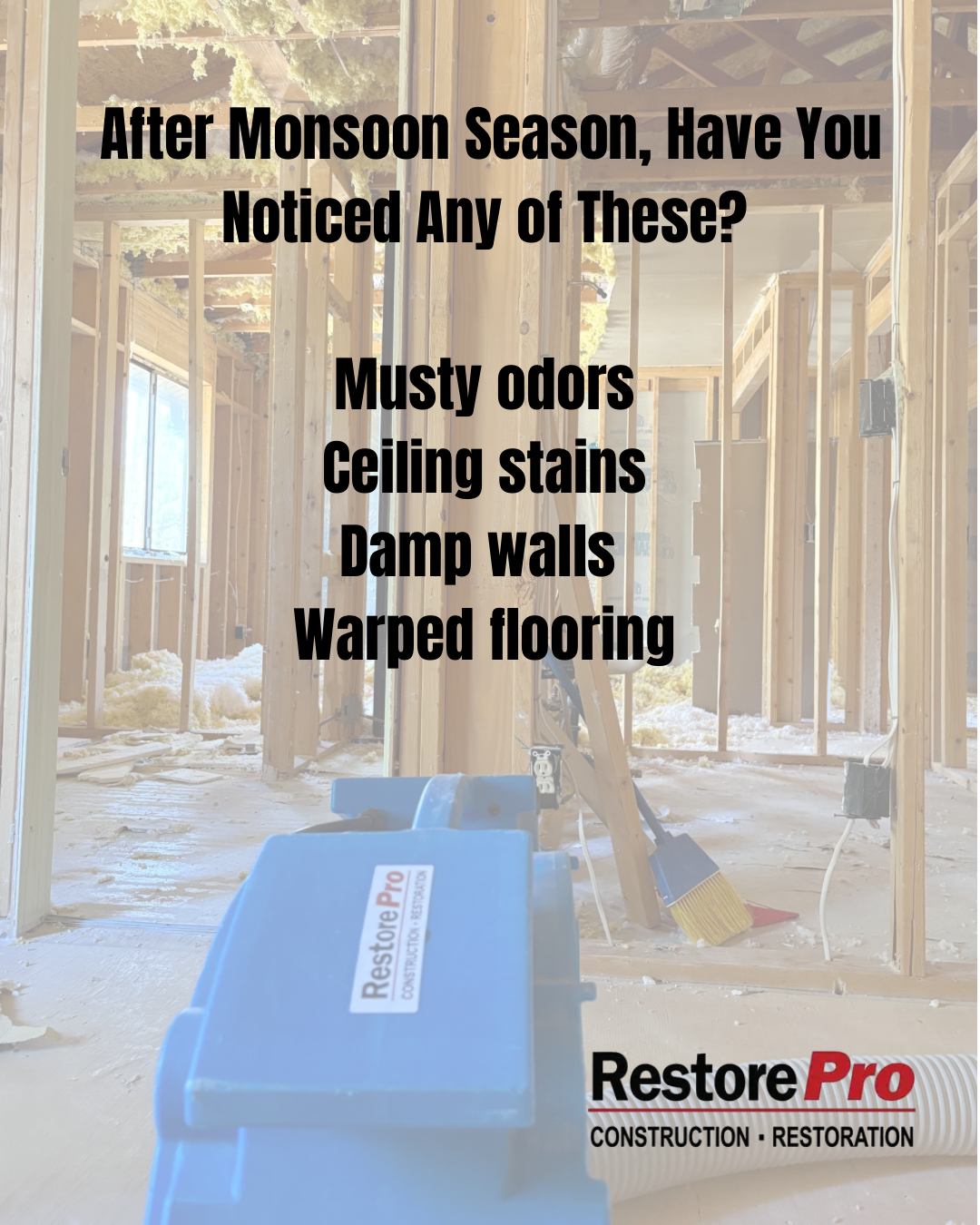
Water Damage Restoration vs Mold Remediation: Which Does Your Home Need After Monsoon Season?
What Snowflake Homeowners Should Check Before Monsoon Season Ends
For estimated 2026 market context, Angi's July 2026 asbestos testing data puts professional testing at about $231 to $776, with an average around $483. Angi's asbestos testing cost guide notes that home size, number of samples, access, and laboratory analysis affect the final cost.
For removal, Angi's
August 1, 2026 cost update reports approximately
$1,215 to $3,283 for many indoor abatement projects, with an overall average around
$2,248 and a broader range that can extend from several hundred dollars to more than $6,000 depending on the project. Angi's 2026 asbestos removal guide also gives an estimated
$5 to $20 per square foot for many interior removal situations. Use these figures as early budgeting context until the actual material, area, access, and containment scope are known.
A damp wall, stained ceiling, or musty odor after heavy rain can leave a homeowner wondering which service to call. The short answer is that water damage restoration vs mold remediation is not an either-or choice based on appearance alone. The right response depends on whether materials are still wet, whether mold has become established, and how far moisture has traveled beyond the visible area.
For homeowners in Payson and Show Low, a post-monsoon assessment can clarify that scope. Recent water intrusion usually calls for extraction and
structural drying. Visible or suspected growth calls for containment and mold-focused cleanup. Some homes need both services, coordinated in the right order.
Why the End of Monsoon Season Is a Useful Checkpoint
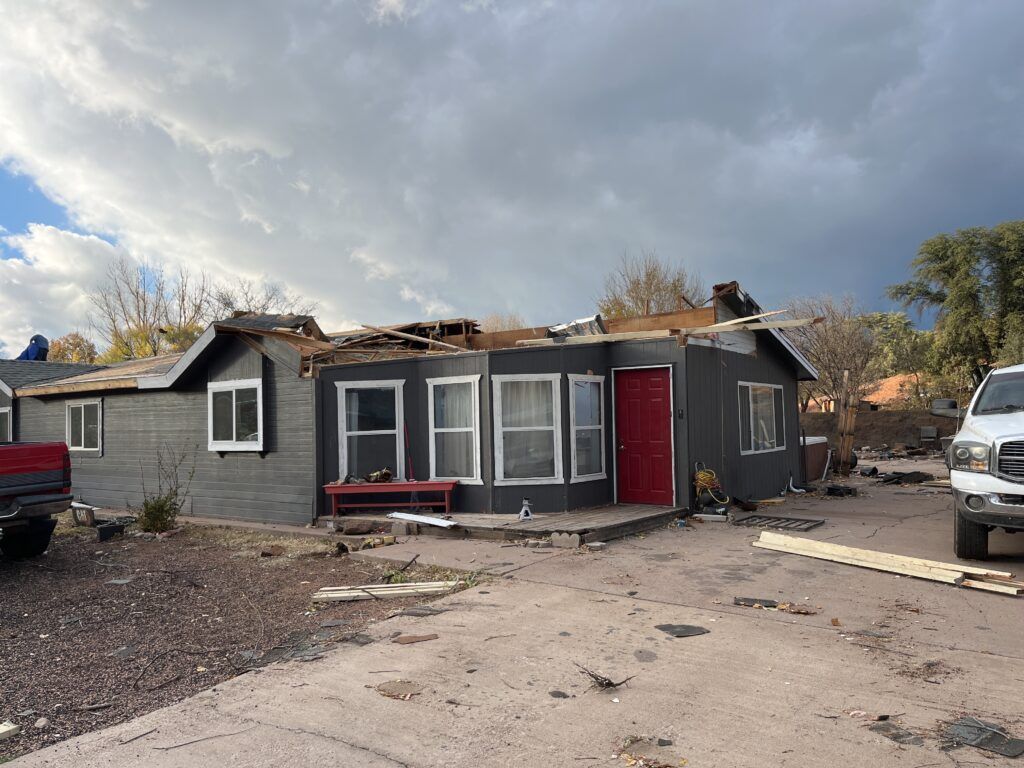
Monsoon rain can enter through roof details, windows, exterior walls, crawl spaces, or low areas around a foundation. A plumbing leak may also happen during the same period and be mistaken for storm intrusion. Once the obvious water is gone, drywall, insulation, flooring, cabinets, and framing can retain moisture much longer than their surfaces suggest.
As September gives way to October, it is practical to revisit rooms that took on water, even if they now look dry. In a Payson home, that may mean checking a ceiling below a roof leak or the base of an exterior wall. In Show Low, it may mean rechecking an attic, crawl space, or room near a wind-driven rain entry point. The goal is not to assume every wet area developed mold. It is to confirm whether materials actually dried and whether new changes have appeared.
Early clarification can keep a focused drying project from becoming a larger repair. It can also prevent a homeowner from paying for mold work when careful moisture assessment shows that drying and monitoring are the appropriate steps.
A useful review follows the likely path of the water rather than stopping at the first stain. Rain that appears beside a window may have entered higher on the wall, while a ceiling mark may be several feet from the roof opening. Tracing that path helps identify the source and the materials that need testing.
Water Damage Restoration vs Mold Remediation: What Is the Difference?
The central distinction is the condition being addressed.
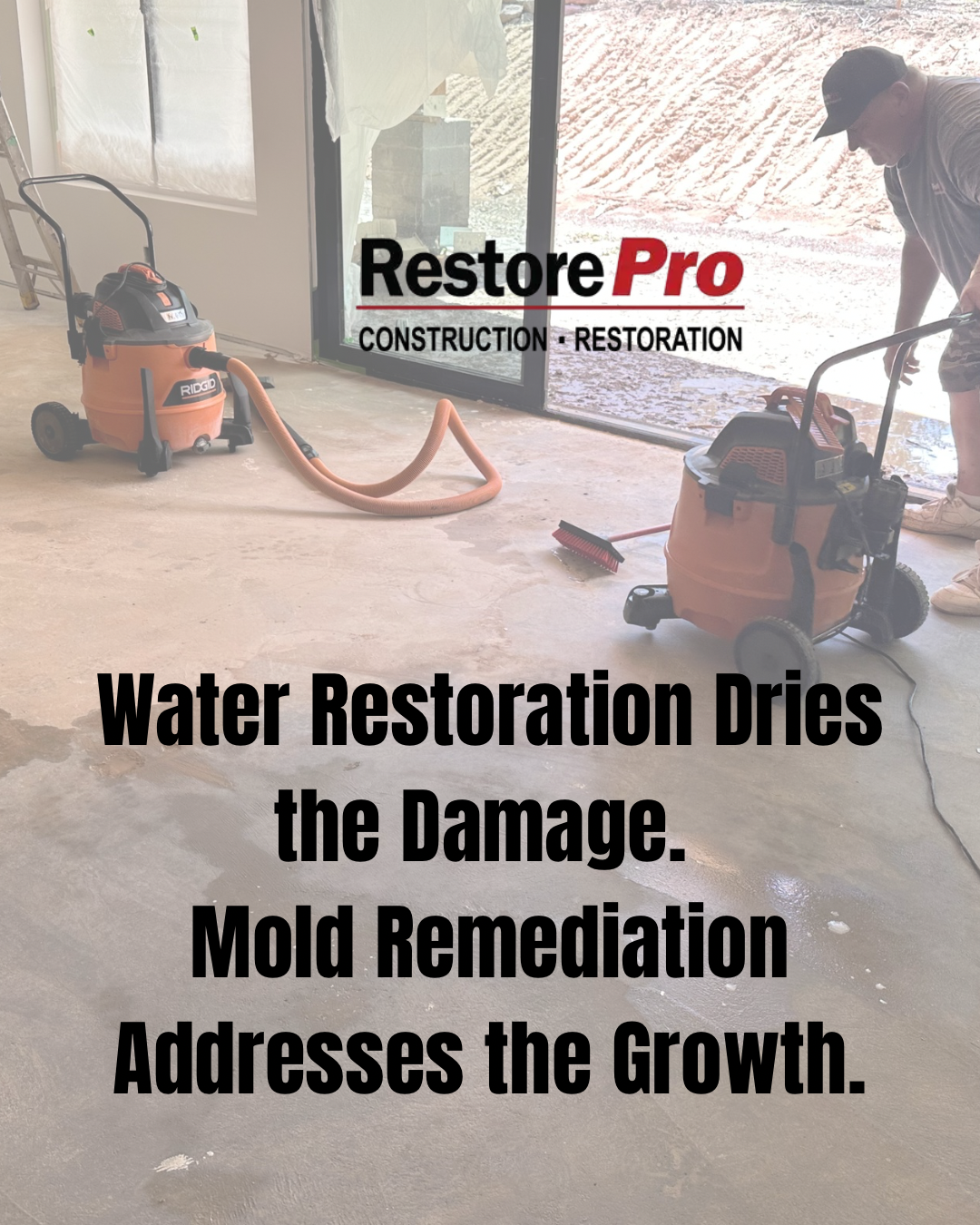
Water damage restoration manages a recent or active water loss and returns affected materials to a verified dry condition before repairs are completed.
Mold remediation manages established or suspected mold growth while correcting the moisture condition that allowed it to develop.
| Decision point | Water damage restoration | Mold remediation |
|---|---|---|
| Main trigger | Recent leak, flooding, storm entry, or wet building materials | Visible growth, persistent musty odor, or mold confirmed during assessment |
| Primary goal | Remove water, dry the structure, and repair water-damaged areas | Contain the work area, remove affected material, clean remaining surfaces, and correct moisture |
| Typical work | Extraction, moisture mapping, dehumidification, air movement, monitoring, and reconstruction | Inspection, containment, negative air pressure, controlled removal, HEPA filtration, cleaning, and reconstruction |
| Moisture status | Materials may still be wet even when surfaces look normal | The original area may be dry, still damp, or repeatedly re-wetted |
| Containment need | Based on water category and demolition scope | Central to limiting the spread of disturbed particles during removal |
| Material decisions | Some materials may be dried in place if conditions allow | Colonized porous materials often require controlled removal |
| Completion standard | Moisture readings support that affected materials reached appropriate drying goals | The moisture source is corrected and affected growth and materials are addressed |
These scopes overlap, but they are not interchangeable. Extraction alone does not remove established mold. Surface cleaning alone does not dry a wet wall cavity. A sound recommendation starts with the source, the moisture readings, the materials involved, and what an inspection finds.
When Your Home Needs Water Damage Restoration
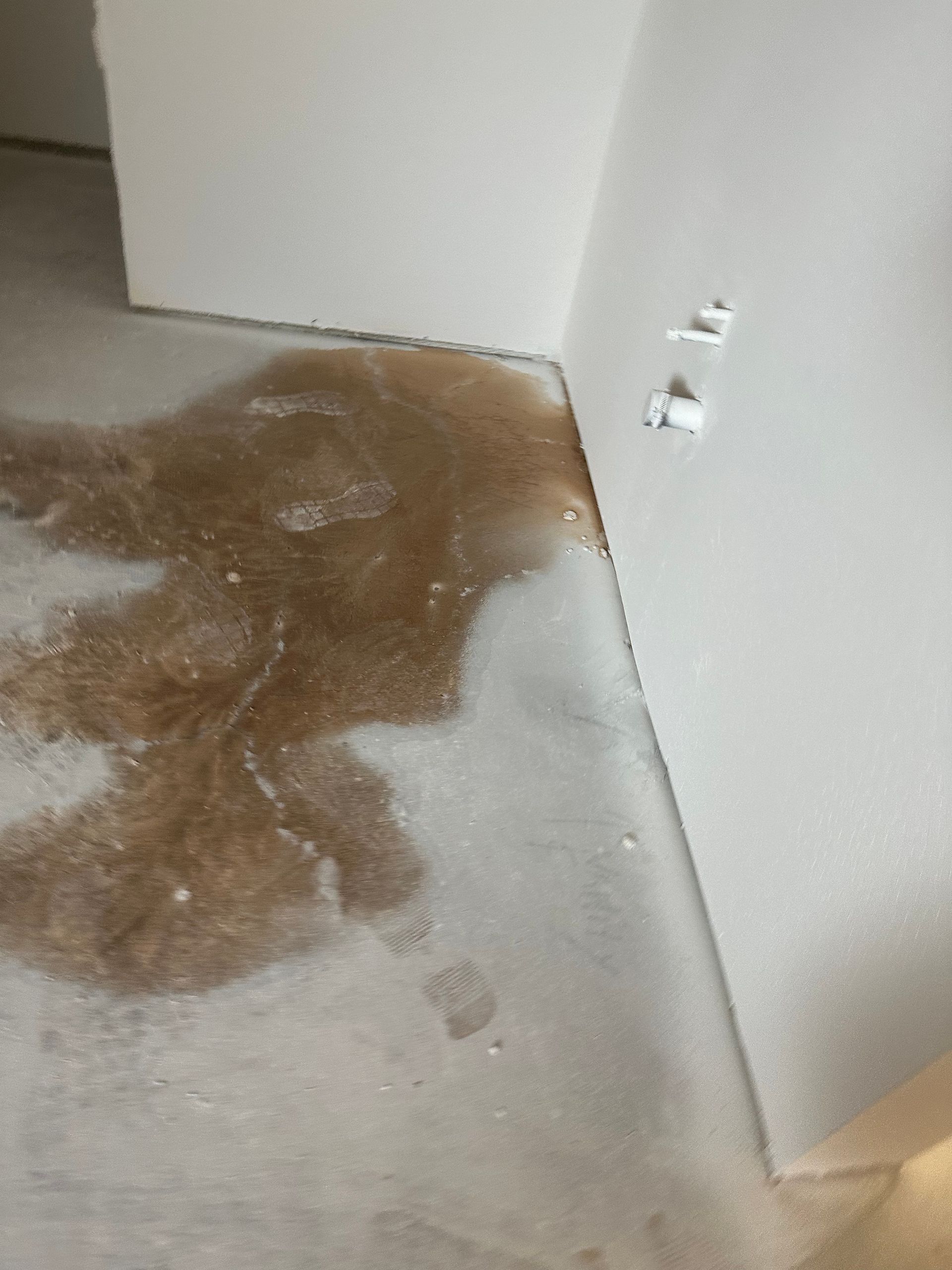
Choose water damage restoration when the main problem is an active or recent water event. Examples include rain entering around a roof or window, water collecting in a crawl space, a supply-line failure, an overflowing appliance, or standing water after a storm. Damp drywall, swollen trim, cupped flooring, peeling finishes, or a moisture reading above the surrounding dry material can also point to the need for restoration.
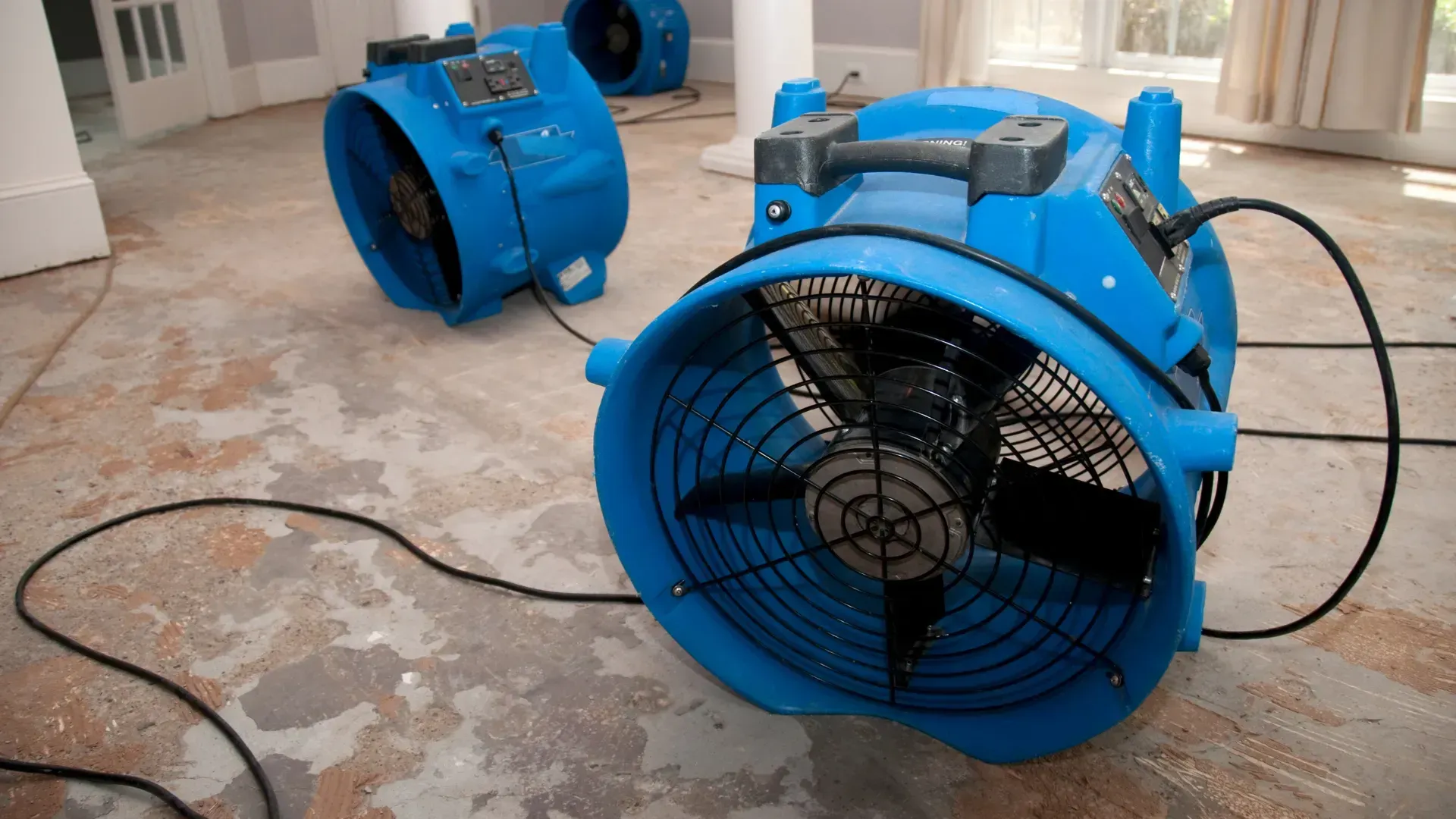
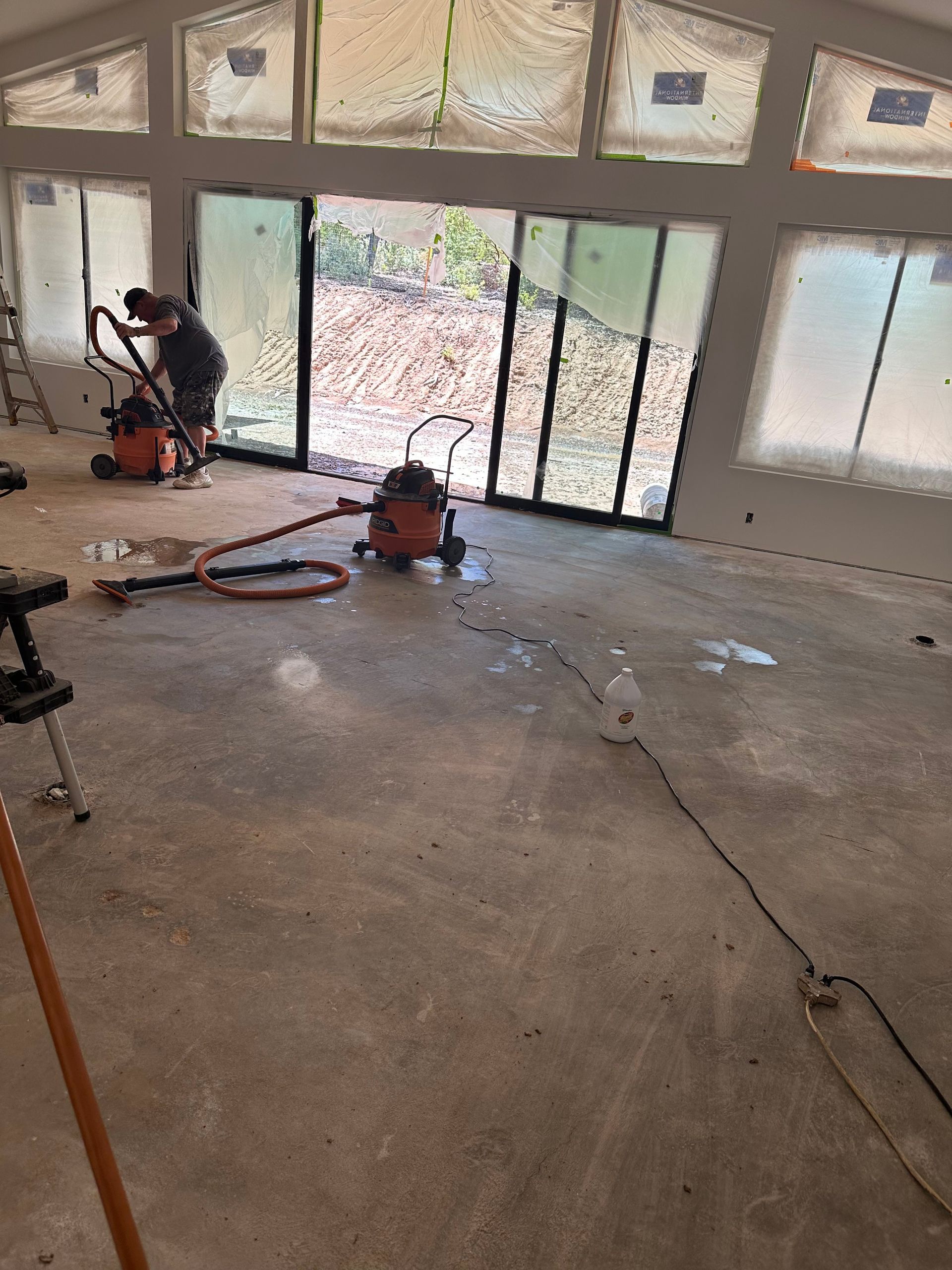
The work should extend beyond removing visible water. RestorePro’s water damage restoration process includes moisture mapping with meters and thermal imaging, water extraction, industrial air movement and dehumidification, daily monitoring, drying verification, and repairs when damaged materials cannot be retained. This is what separates a measured drying plan from waiting for a wet room to feel dry.
Prompt drying matters because the EPA’s homeowner mold guide recommends drying water-damaged areas and items within 24 to 48 hours to help prevent mold growth. That window is useful guidance, not proof that mold appears in every property on the same schedule. Temperature, material, contamination, airflow, and the amount of retained water all affect the outcome.
When Mold Remediation Becomes the Right Service
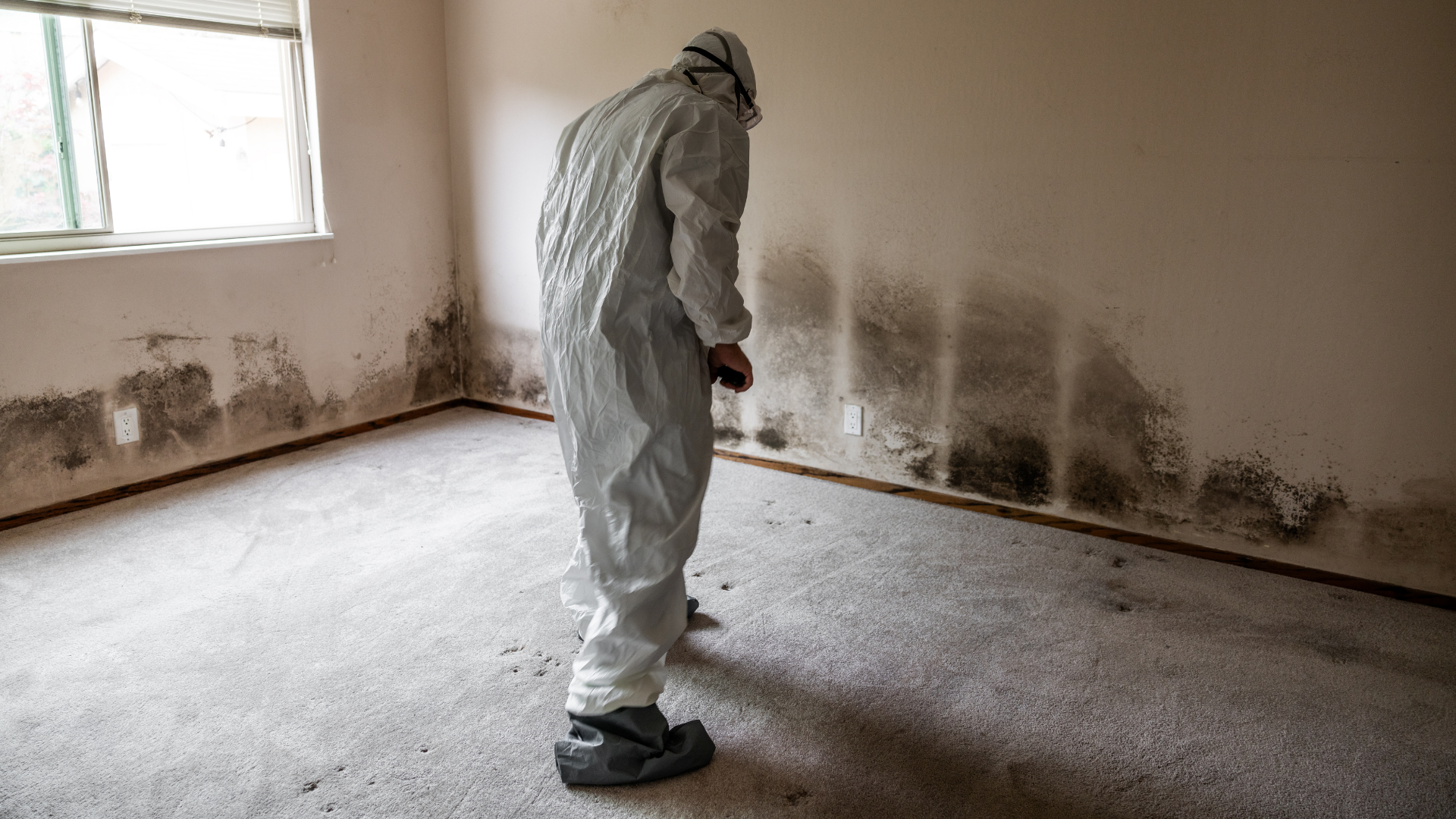
Mold remediation becomes the better fit when growth is visible, a persistent earthy or musty odor points to a concealed area, or an inspection identifies mold on or within affected materials. It may follow an old roof leak, an incompletely dried wall, recurring condensation, or mold after water damage that was not apparent during the original cleanup.
Mold work is not simply spraying a discolored surface. A professional scope may require isolating the work area, maintaining negative air pressure, using HEPA-filtered equipment, removing colonized porous materials in a controlled manner, cleaning remaining structural surfaces, and rebuilding what had to be removed. RestorePro describes those steps in its mold remediation and restoration process.
The moisture source still has to be corrected. Both the EPA and the Arizona Department of Health Services emphasize that mold is likely to return if the underlying water or moisture problem remains. That makes leak correction and moisture verification part of the solution, even when remediation is the primary service.
When a Property Needs Both Services
The condition of the building determines whether one scope is enough. A clear assessment may place a home into one of three practical situations.
Active Moisture With No Confirmed Mold
If materials are wet but no mold is visible or otherwise identified, the priority is stopping the source, extracting water, and beginning controlled drying. Moisture readings should guide equipment placement and show whether drywall, subflooring, framing, or insulation is responding. Mold remediation should not be added automatically when the evidence supports a water-only scope.
Confirmed Mold After an Earlier Water Event
A room may no longer feel damp even though an earlier leak supported growth behind baseboards, beneath flooring, or on the back of drywall. In that situation, the main scope is remediation, along with correcting any remaining leak, condensation, or humidity issue. Simply adding air movers to an area with established mold does not replace containment and controlled removal.
Wet Materials and Established Mold Together
Some properties have hidden moisture and established mold at the same time. A recurring roof leak, a damp crawl space, or storm water that stayed inside a wall assembly can create this combined condition. The response may include water extraction and structural drying alongside containment, material removal, HEPA filtration, and cleaning. The exact sequence should be based on safety, water category, access, and the affected materials rather than a fixed template.
This combined approach is especially relevant when a monsoon-related leak was noticed late or when a previously repaired area becomes damp again. One coordinated team can document the full scope and connect mitigation to reconstruction without treating the water and mold conditions as unrelated projects.
Hidden Moisture Determines More Than Surface Appearance
Paint and flooring can look dry while moisture remains in insulation, gypsum, subflooring, cabinets, or framing. Water also moves sideways and downward through joints and cavities, so the wettest material may not be directly beneath the stain. That is why hidden moisture should be measured rather than inferred from touch alone.
Moisture meters provide readings within selected materials. Thermal imaging can help identify temperature patterns that deserve closer testing, although an image by itself does not prove moisture or mold. Together with visual inspection and knowledge of how the assembly is built, these tools help define where drying or limited removal is needed.
Structural drying then uses controlled airflow and dehumidification to move moisture out of affected materials and the air. Readings over time show whether the drying plan is working and help determine when equipment can be removed. Verification also reduces the chance that a wall will be closed or a finish replaced while the underlying assembly is still damp.
What Homeowners Should Check After Monsoon Storms
A calm, room-by-room review can reveal changes that were easy to miss during the storm. Do not enter standing water near electrical equipment, disturb suspected mold, or open damaged building assemblies without appropriate precautions. From safe, accessible areas, check:
- Ceilings and upper walls for new stains, softened drywall, bubbling paint, or sagging.
- Baseboards and lower walls for swelling, gaps, discoloration, or finishes that feel loose.
- Floors and cabinets for buckling, lifting edges, damp toe-kicks, or doors that no longer align.
- Attics and crawl spaces for wet insulation, roof-deck staining, condensation, or earthy odors.
- Windows and exterior doors for failed seals, damp trim, or water tracks below the opening.
- Previously affected rooms for a persistent musty odor or a stain that returns after drying.
Document changes with dated photos, but avoid deciding the scope from color or odor alone. Arizona health guidance notes that mold may be concealed behind walls or beneath water-damaged materials. If the source is unclear, the area keeps changing, or a musty odor persists, a moisture-focused inspection is more useful than repeated surface cleaning.
What Water Damage Restoration and Mold Remediation Cost
No national average can substitute for inspecting a Payson or Show Low property. The price changes with the water source and category, total square footage, access, length of exposure, amount of demolition, drying time, contents handling, mold containment, and reconstruction. Still, current market figures can provide a reasonable planning frame.
Estimated 2026 Market Context
| Scope | Published planning range | How to use the figure |
|---|---|---|
| Water damage restoration | $1,383–$6,369, with a $3,868 national average | A national range for many reported projects, not a Payson-specific quote |
| Mold removal added after water damage | $1,200–$3,800 | An additional national planning range when mold has taken hold, not a whole-home guarantee |
| RestorePro assessment and quote | Free quote | We assess the source, affected materials, hidden moisture, and repair needs, then explain the recommended scope and project-specific pricing |
The national figures come from Angi’s 2026 water damage restoration cost guide. Its data also shows why two homes with the same visible stain can have very different totals. One may need targeted drying and minor finish work. Another may involve contaminated water, extensive material removal, mold containment, contents, and reconstruction.
Ask for a written scope that distinguishes extraction, drying equipment, monitoring, remediation, material removal, and rebuild work. Insurance coverage varies by cause and policy, so document the loss promptly and confirm coverage directly with the carrier or adjuster.
When comparing proposals, check whether moisture monitoring, equipment days, containment, debris disposal, cleaning, and reconstruction are included or priced separately. A lower initial number is difficult to compare if it covers only extraction while another proposal follows the project through verified drying and repairs. The inspection findings should explain the difference.
Frequently Asked Questions
Is water damage restoration the same as mold remediation?
No. Water restoration addresses active or recent water, retained moisture, drying, and water-related repairs. Mold remediation addresses established growth through containment, controlled removal, filtration, cleaning, moisture correction, and restoration. A home may need one service or a coordinated combination.
Can structural drying prevent mold after water damage?
Timely, verified drying can reduce the conditions that support mold growth. The EPA recommends drying water-damaged areas and items within 24 to 48 hours when possible. Results still depend on the material, water category, temperature, access, and how completely moisture is removed.
Do I need mold testing before remediation?
Not always. The Arizona Department of Health Services does not recommend testing as the first step when mold is visible or a clear mold odor is present. Testing may be useful when it answers a specific question, but inspection, moisture assessment, and correcting the water source usually come first.
Can a home need both services at the same time?
Yes. If an area remains wet and also contains established mold, the project may require extraction and drying plus containment and mold removal. The work plan should identify which materials can be dried, which require removal, and how the unaffected parts of the home will be protected.
What should I do if I find hidden moisture after monsoon season?
If safe, stop or isolate the water source and photograph the affected area. Avoid sealing, painting, or covering wet materials. Arrange an assessment that includes moisture readings so the scope is based on the assembly below the surface, not only what can be seen.
Does RestorePro provide both water restoration and mold remediation?
Yes. RestorePro provides water extraction, structural drying, moisture assessment, mold containment and remediation, and reconstruction for properties in Payson, Show Low, and other northern Arizona service areas. We can evaluate whether the property needs water work, mold work, or a coordinated scope and provide a free quote based on the actual conditions.
Choose the Service That Matches the Damage
The best decision in water damage restoration vs mold remediation comes from evidence, not guesswork. Recent wet materials point toward extraction and verified drying. Established growth points toward containment and remediation. Wet assemblies with mold may require both, with the sequence tailored to the property.
RestorePro offers 24/7 emergency response and full-service restoration through reconstruction. If your Payson or Show Low home has a recurring stain, damp materials, a musty odor, or visible growth after monsoon weather, contact us for a free quote. We will inspect the affected area, explain what the findings support, and recommend the scope that matches the damage.
Mold Remediation and Restoration
Water Damage Restoration in Payson
Recent Posts
RESTOREPRO
Is Your Property Damaged Right Now? Do Not Wait.
Every hour without professional mitigation means more structural damage and higher repair costs. Whether you are dealing with standing water, fire residue, or visible mold growth, the fastest decision you can make is calling a team that is already on the way. RestorePro has certified crews on call across Payson, Show Low, Snowflake, and Winslow, ready to respond within 30 minutes of your call.