Why the First Freeze Can Turn a Small Pipe Problem Into Major Water Damage
What Snowflake Homeowners Should Check Before Monsoon Season Ends
For estimated 2026 market context, Angi's July 2026 asbestos testing data puts professional testing at about $231 to $776, with an average around $483. Angi's asbestos testing cost guide notes that home size, number of samples, access, and laboratory analysis affect the final cost.
For removal, Angi's
August 1, 2026 cost update reports approximately
$1,215 to $3,283 for many indoor abatement projects, with an overall average around
$2,248 and a broader range that can extend from several hundred dollars to more than $6,000 depending on the project. Angi's 2026 asbestos removal guide also gives an estimated
$5 to $20 per square foot for many interior removal situations. Use these figures as early budgeting context until the actual material, area, access, and containment scope are known.
The first hard freeze often reveals a plumbing weakness that warmer weather concealed. A vulnerable pipe, loose fitting, thin insulation, or unheated cavity may already be present. As water freezes, it expands and can increase pressure between an ice blockage and a closed faucet. That pressure may split the pipe or separate a connection, causing burst pipe water damage when the ice thaws.
This risk deserves attention in Show Low because overnight temperatures can fall quickly. The
National Weather Service in Flagstaff notes that northern Arizona's higher terrain experiences freezing and below-freezing winter conditions. Pipes in exterior walls, crawl spaces, garages, attics, and utility areas are more exposed than plumbing inside conditioned rooms. A weak joint in one of these locations can become a high-volume release before anyone notices it.
How a Small Pipe Break Becomes Major Water Damage
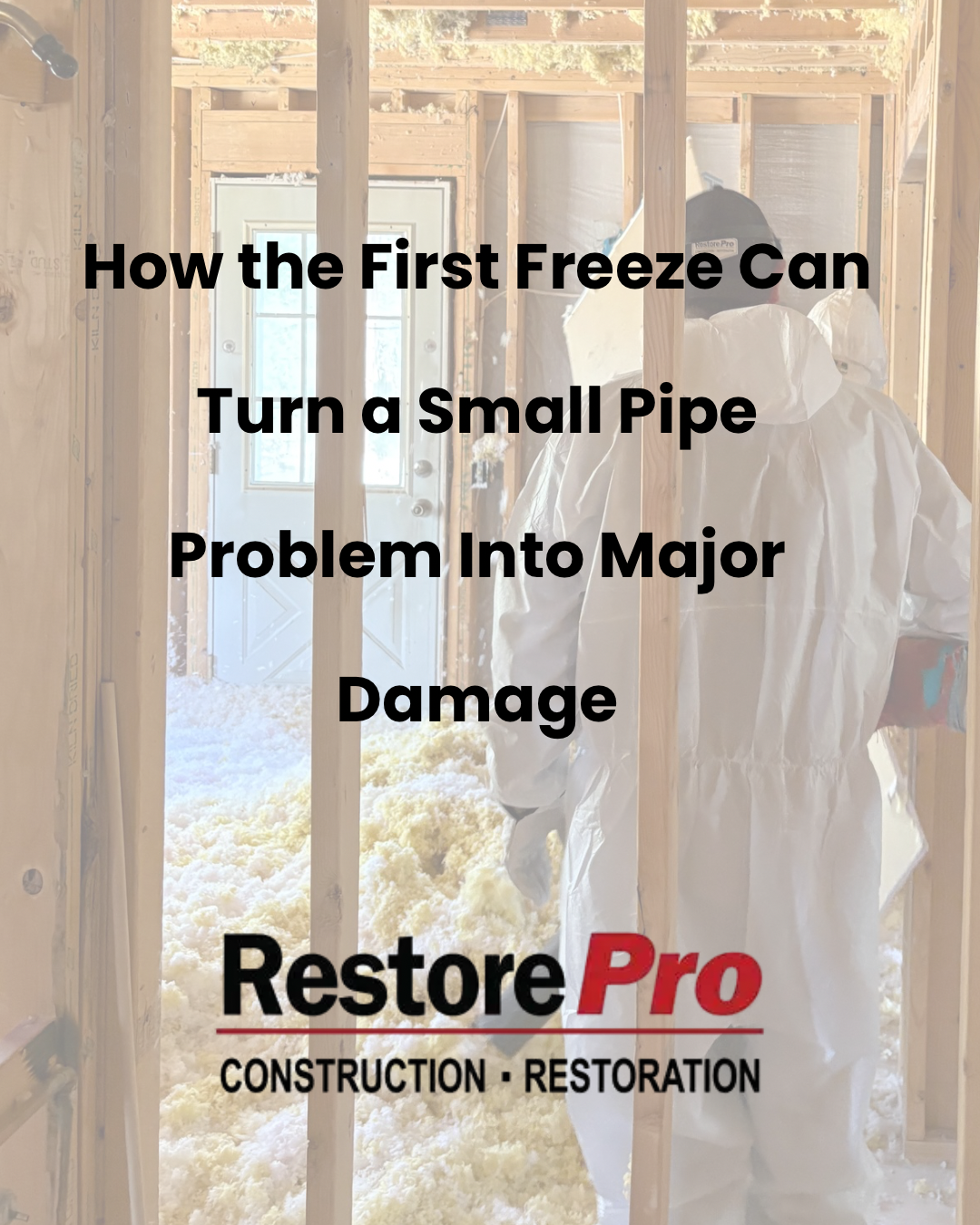
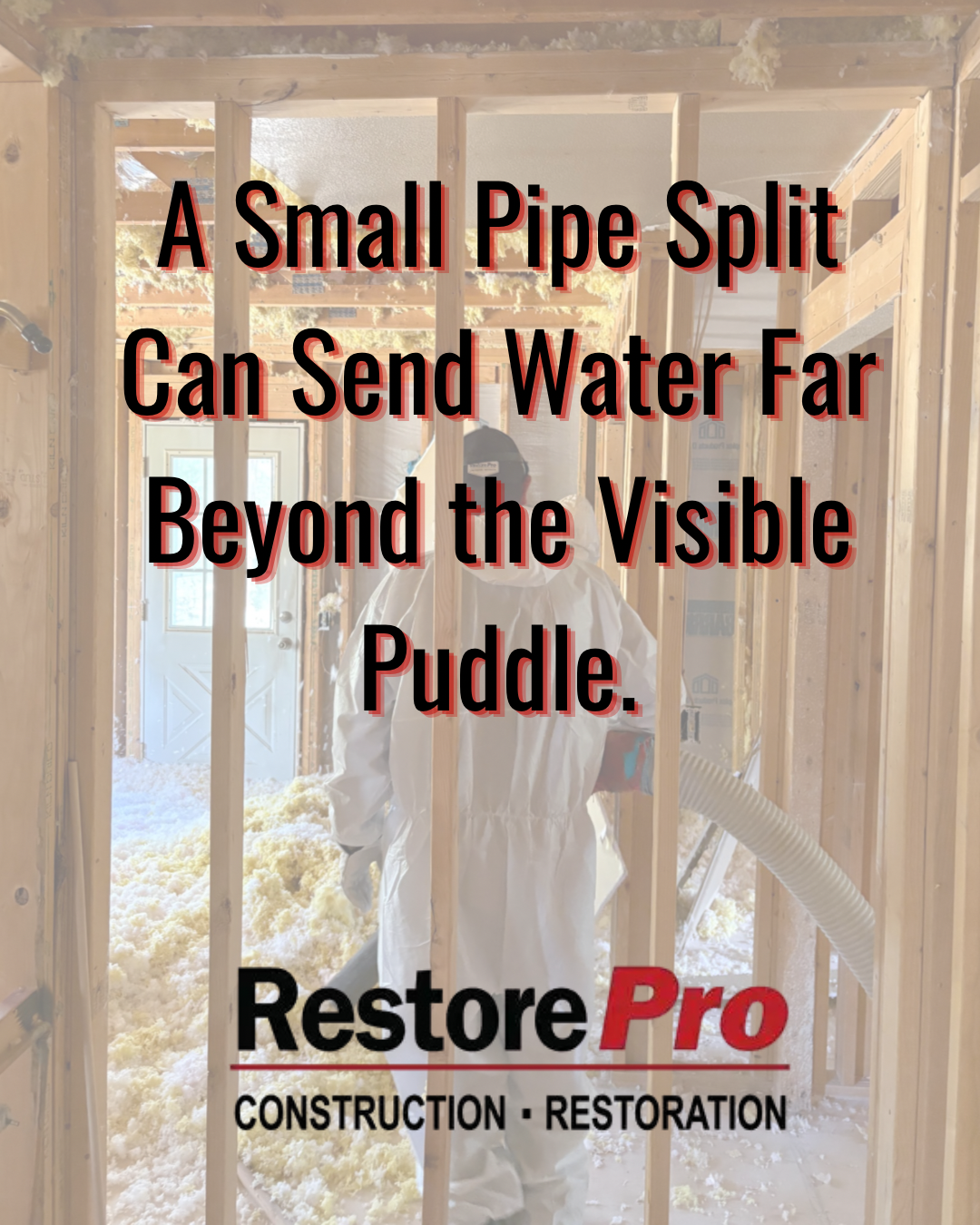
A split pipe may look minor, but its size does not show how far water traveled. Pressurized water can move behind drywall, under flooring, through cabinets, and along framing before appearing below. Insulation can hold moisture against wood while finished surfaces look dry. This is why water damage from a burst pipe may affect more than the visible puddle suggests.
Time also changes the loss. Clean supply water can collect dust and contaminants as it moves through building cavities. Porous materials may swell, adhesives can release, and damp finishes can trap moisture beyond normal airflow. The longer materials stay wet, the more likely simple extraction becomes a larger
structural drying and repair project.
Warning Signs Before and After a Pipe Bursts
Some frozen pipes restrict flow before rupturing, so a weak trickle can be an early warning. Frost on a pipe, unusual noises, or a pressure change should prompt a check of other fixtures. After a break, homeowners may notice stains, bubbling paint, damp flooring, cabinet swelling, or water sounds inside a wall. A moving meter when fixtures are off can also indicate a concealed leak.
Do not rely on one dry-looking surface to rule out damage. Consider the pipe's route, rooms below it, and nearby absorbent materials. In Show Low and Snowflake, check plumbing near exterior walls and exposed lines in garages or crawl spaces after a sharp temperature drop. The table below connects common observations with a practical next step.
| What You Notice | What It May Mean | Practical Next Step |
|---|---|---|
| One faucet has little or no flow during freezing weather | Ice may be restricting the supply line | Keep the faucet open, locate the vulnerable section, and follow safe thawing guidance |
| Frost or a bulge appears on an accessible pipe | Water may be frozen inside, and the pipe may already be stressed | Shut off the water if damage is visible and call a plumber |
| Water stains, soft drywall, or bubbling paint appear | Water may be moving inside a wall or ceiling | Stop the source if safe and request moisture assessment promptly |
| Flooring feels warm, damp, raised, or spongy | Water may have migrated below the finished surface | Avoid disturbing materials and arrange professional inspection |
| Water pressure drops throughout the home | A main supply branch may be leaking | Check the meter, shut off the main if safe, and contact a plumber |
| A musty odor develops after cleanup | Moisture may remain inside porous materials or cavities | Request moisture mapping and a drying evaluation |
What to Do Immediately After a Pipe Break
First, protect people rather than belongings. If water is near outlets, appliances, a service panel, or a sagging ceiling, stay out of the affected area and do not walk through standing water to reach a switch. Shut off the home's main water valve only if you can reach it safely, then open a lower faucet to relieve remaining pressure. Contact a licensed plumber for the failed pipe and an emergency water damage restoration company when water has entered building materials.
Once hazards are controlled, photograph visible conditions before moving items. Place undamaged belongings in a dry area, but do not pull up flooring or open walls without qualified guidance. Notify the insurance carrier promptly and ask what documentation the policy requires. RestorePro's water damage restoration team provides 24/7 response, moisture assessment, extraction, drying, documentation, and repair coordination.
A Safe First-Response Checklist
- Keep children and pets away from wet rooms and unstable ceilings.
- Stop the water supply only when the shutoff is safely accessible.
- Do not use household vacuums or powered equipment in standing water.
- Call a plumber to isolate and repair the failed pipe.
- Photograph affected rooms, belongings, and the apparent source.
- Start professional water extraction and moisture assessment promptly.
- Save damaged parts and receipts when the insurer or contractor requests them.
Why Visible Water Is Only Part of the Problem
Towels can remove surface water but cannot confirm whether cavities, subfloors, insulation, or framing are dry. Moisture meters compare affected materials with dry reference areas, while thermal imaging can identify patterns for closer testing. These tools reduce guesswork when water has traveled beyond the room where the pipe failed. Complete water damage cleanup should follow the moisture path, not the visible stain.
Drying speed matters because wet porous materials can support microbial growth and lose strength. The
U.S. Environmental Protection Agency advises drying wet or damp materials within 24 to 48 hours when possible to help prevent mold growth. That window is a reason to begin assessment quickly, not a promise that every material can be saved. Materials that are contaminated, delaminated, badly swollen, or impossible to dry in place may need controlled removal.
What Professional Water Damage Restoration Includes
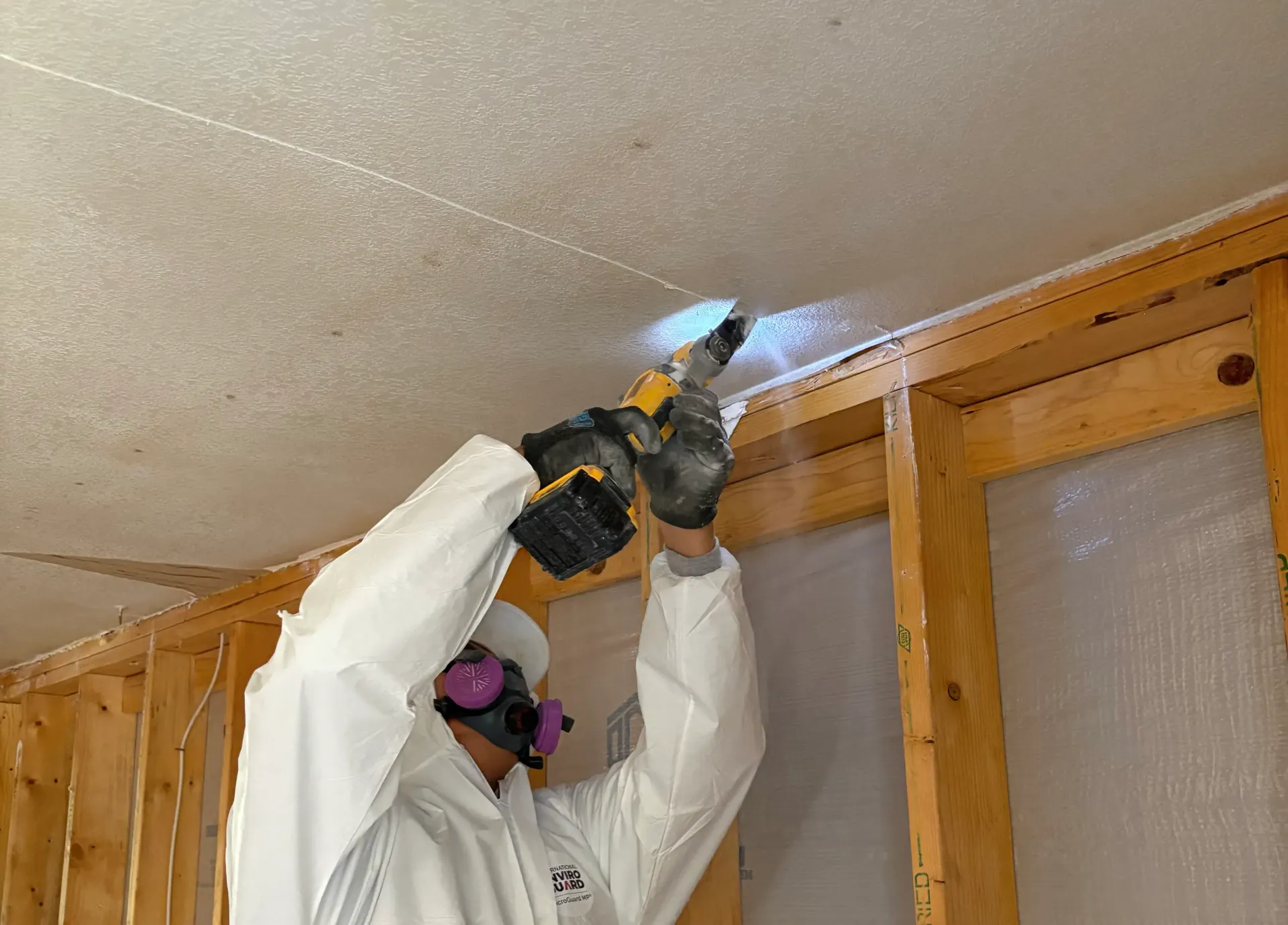
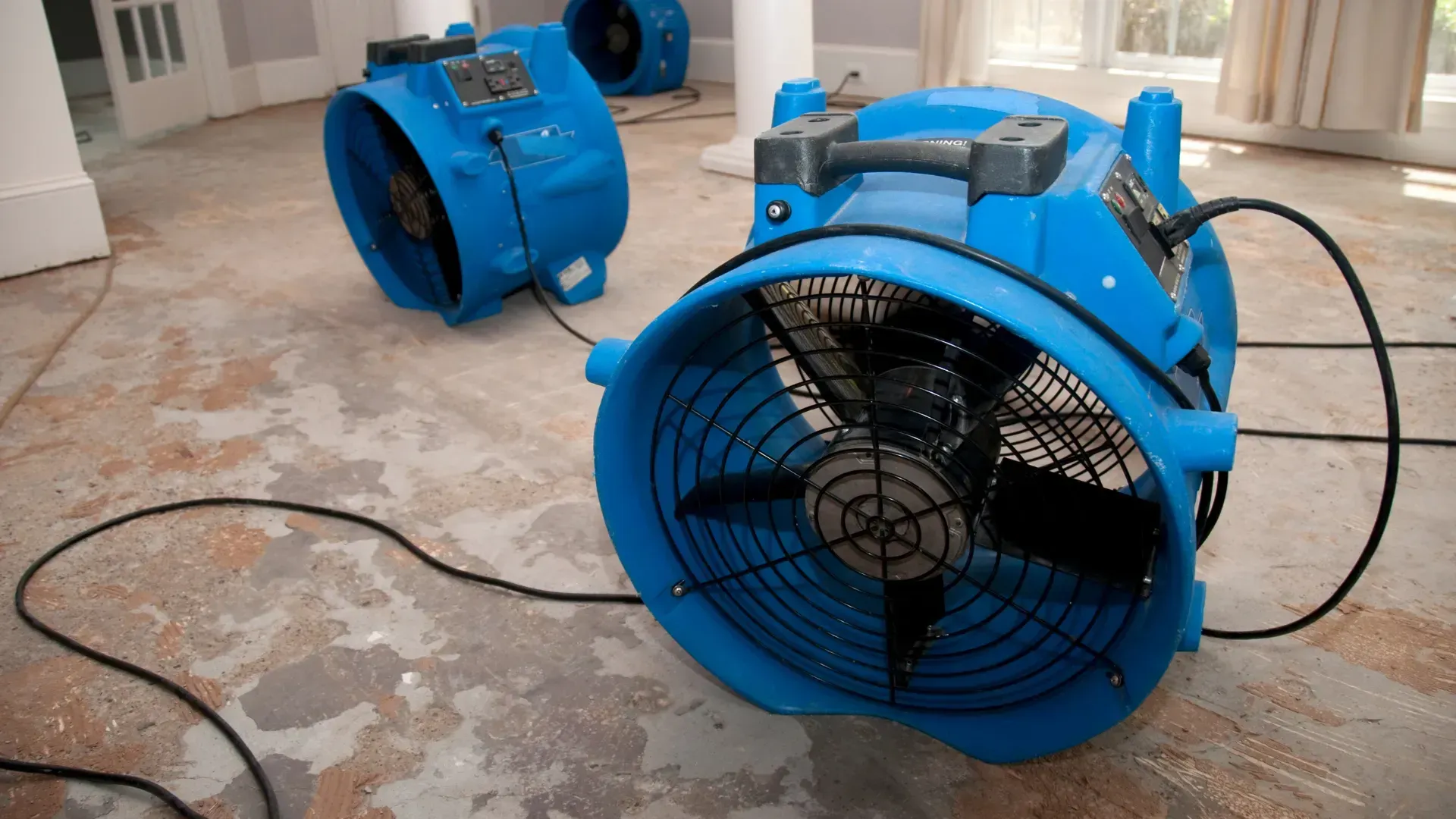
Professional restoration begins by identifying the source, documenting affected areas, and checking for safety hazards. The team removes standing water and plans drying around materials, readings, airflow, and indoor conditions. Air movers encourage evaporation, while dehumidifiers remove moisture from the air. Technicians monitor readings and adjust equipment until drying goals are met.
RestorePro follows
IICRC-based water restoration procedures and handles assessment, extraction, dehumidification, structural drying, cleanup, and reconstruction when required. Our team can also organize photos, moisture records, and scope information for communication with the property owner and insurance adjuster. A plumber still needs to repair the failed supply line, because restoration and plumbing solve different parts of the emergency. Keeping those roles clear helps prevent a repaired pipe from hiding unfinished drying work.
A Decision Framework for Choosing the Right Response
The right response depends on more than the visible water. Consider whether the source stopped, how long materials stayed wet, what absorbed water, and whether moisture reached electrical or concealed spaces. A small spill on a sealed surface differs from water running through insulation and drywall. When key facts are unknown, moisture testing provides a safer basis for the decision.
This same framework applies across the region without treating every property as identical. A seasonal home near Heber may sit unoccupied when a line breaks, while a Winslow property may have plumbing exposed to wind or unconditioned utility spaces. Homes in Payson, Snowflake, and Show Low also differ in construction, insulation, access, and shutoff locations.
The building's actual condition should determine the scope, not the city name or the size of the first visible puddle.
| Situation | Reasonable Starting Point | When to Escalate |
|---|---|---|
| A small amount of water stayed on a nonporous surface and was removed immediately | Dry the surface, ventilate safely, and monitor | Escalate if seams, baseboards, cabinets, or wall openings became wet |
| Water reached carpet, pad, drywall, insulation, or wood flooring | Request moisture assessment and targeted drying | Escalate to removal or reconstruction if materials cannot be dried safely |
| Water traveled through a ceiling or wall cavity | Use professional extraction, moisture mapping, and structural drying | Escalate immediately for electrical concerns, ceiling movement, or widespread saturation |
| The leak continued while the home was vacant | Arrange emergency mitigation and document all affected areas | Expect a broader scope if water reached multiple rooms or levels |
| The water source is sewage, a drain backup, or otherwise contaminated | Avoid contact and use trained remediation professionals | Follow containment, removal, cleaning, and disposal requirements |
| The pipe is repaired but odors or stains continue | Recheck moisture levels and concealed spaces | Investigate for trapped moisture, damaged materials, or microbial growth |
How to Reduce Frozen-Pipe Risk Before Cold Arrives
Prevention starts with finding water lines that pass through unheated areas. Disconnect hoses, protect exterior faucets, seal drafts near penetrations, and insulate accessible vulnerable lines. Keep garage doors closed around supply lines and maintain indoor heat when the property is vacant. The American Red Cross also recommends opening cabinet doors around plumbing and allowing exposed faucets to drip during severe cold.
Before the first freeze, label the main shutoff and make sure every responsible adult knows how to use it. If a Show Low or Heber home will be empty, arrange temperature monitoring and a local contact who can respond to an alert. Owners in Winslow, Snowflake, and Payson should use the same preparation checklist while adapting it to their home's elevation, exposure, and plumbing layout. A plumber can evaluate recurring freeze points and recommend a permanent correction instead of repeating temporary thawing each winter.
- Locate and test the main water shutoff before an emergency.
- Insulate accessible pipes in garages, crawl spaces, attics, and exterior walls.
- Seal drafts around utility openings without blocking required ventilation.
- Disconnect hoses and protect exterior faucets before freezing nights.
- Keep indoor temperatures consistent when the home is vacant.
- Install leak or low-temperature sensors where a delayed discovery is likely.
- Have vulnerable plumbing inspected if it froze or lost pressure previously.
What Burst-Pipe Restoration May Cost in 2026
RestorePro does not publish a fixed burst-pipe restoration price because the inspected loss determines the work. A quickly contained leak may need limited drying, while an unattended pipe can affect multiple rooms. Access, water category, materials, area, labor, and response time influence the scope. Plumbing repair is normally separate from water-damage restoration.
The figures below come from HomeGuide's 2026 water damage restoration cost data and provide broad market context rather than a RestorePro quote. Arizona project costs can fall outside these ranges based on site conditions, required demolition, drying time, and reconstruction. Insurance coverage also depends on the cause of loss, exclusions, maintenance history, limits, and deductible. A written assessment is the most reliable way to understand the work required for a specific home.
Estimated 2026 Market Context
| Service or Damage Level | Published Market Range | Important Context |
|---|---|---|
| Typical water damage restoration project | $2,000 to $6,000 | Broad national range across many loss types and sizes |
| Class 1 water damage | $150 to $500 | Limited area with low absorption and straightforward access |
| Class 2 water damage | $1,500 to $5,000 | Larger affected area with more porous materials involved |
| Class 3 water damage | $5,000 to $15,000 | Extensive saturation, often affecting walls, ceilings, or insulation |
| Class 4 water damage | $15,000 to $100,000 | Specialized drying for deeply absorbed moisture or major losses |
| Water extraction and drying | $4 to $12 per square foot | Varies by contamination, material, equipment, and drying time |
| Burst-pipe plumbing repair | $150 to $250 per linear foot | Pipe repair is separate from cleanup, drying, and reconstruction |

Frequently Asked Questions
How quickly should water damage cleanup begin after a pipe bursts?
Begin safety steps and source control immediately, then arrange assessment as soon as possible. Water can migrate into porous and concealed materials within minutes, even when the visible puddle seems manageable. EPA guidance makes the first 24 to 48 hours especially important for drying wet materials when possible. Waiting for stains or odors can allow a smaller loss to become more disruptive.
Can I thaw a frozen pipe myself?
Only attempt it when the pipe is accessible, intact, and away from electrical hazards. Keep the affected faucet open and use gentle heat such as warm air, never an open flame or high-intensity device that can damage the pipe or start a fire. If the pipe is split, bulging, concealed, or difficult to reach, shut off the water and call a plumber. The Red Cross provides detailed prevention and safe-thawing guidance.
Does a plumber handle the water damage too?
A plumber locates and repairs the failed pipe or fitting. A restoration company extracts water, measures moisture, dries the structure, cleans affected areas, and coordinates repairs when needed. Some projects require both teams to work in sequence or at the same time. Confirm each contractor's scope so pipe repair, drying, and rebuilding are all assigned.
How long does structural drying take?
There is no responsible universal drying time because wood, drywall, insulation, concrete, and flooring release moisture at different rates. The affected area, indoor temperature, humidity, airflow, access, and time before extraction all matter. Technicians should use repeated moisture readings to guide equipment placement and completion. Removing equipment by the calendar alone can leave concealed materials wet.
Will homeowners insurance cover frozen pipe water damage?
Many policies may cover sudden and accidental water damage, but exclusions, vacancy rules, maintenance requirements, deductibles, and limits differ. Coverage for the damaged pipe itself can also differ from coverage for resulting water damage. Notify the insurer promptly, protect the property from further damage when safe, and keep photos, invoices, and damaged components when requested. RestorePro can document restoration conditions, but only the insurer can make a coverage decision.
When does a burst pipe require professional restoration?
Professional help is appropriate when water reaches porous materials, hidden cavities, more than one room, electrical components, ceilings, or multiple levels. It is also warranted when the leak ran for an unknown period or the home was vacant. A restoration assessment can identify whether extraction and structural drying are enough or whether damaged materials need removal. If the water is contaminated or the building appears unsafe, keep out and call trained professionals immediately.
Get Help Before Water Damage Spreads
A burst pipe can send water behind walls, beneath flooring, and into insulation before the full damage becomes visible. Stopping the water and repairing the pipe are only the first steps. RestorePro can assess the affected areas, remove standing water, and provide professional structural drying. Our team responds quickly to help limit additional damage and guide you through the restoration process.
RestorePro serves homeowners and businesses in Show Low, Heber, Winslow, Snowflake, Payson, and nearby Arizona communities. We handle water extraction, moisture detection, drying, cleanup, documentation, and necessary repairs. If a frozen or broken pipe has released water into your property, do not wait for stains, odors, or mold concerns to appear. Contact RestorePro today for emergency water damage restoration.
Recent Posts


RESTOREPRO
Is Your Property Damaged Right Now? Do Not Wait.
Every hour without professional mitigation means more structural damage and higher repair costs. Whether you are dealing with standing water, fire residue, or visible mold growth, the fastest decision you can make is calling a team that is already on the way. RestorePro has certified crews on call across Payson, Show Low, Snowflake, and Winslow, ready to respond within 30 minutes of your call.