Does Wet Drywall Need to Be Replaced After a Monsoon Storm?
What Snowflake Homeowners Should Check Before Monsoon Season Ends
For estimated 2026 market context, Angi's July 2026 asbestos testing data puts professional testing at about $231 to $776, with an average around $483. Angi's asbestos testing cost guide notes that home size, number of samples, access, and laboratory analysis affect the final cost.
For removal, Angi's
August 1, 2026 cost update reports approximately
$1,215 to $3,283 for many indoor abatement projects, with an overall average around
$2,248 and a broader range that can extend from several hundred dollars to more than $6,000 depending on the project. Angi's 2026 asbestos removal guide also gives an estimated
$5 to $20 per square foot for many interior removal situations. Use these figures as early budgeting context until the actual material, area, access, and containment scope are known.
Not always.
Wet drywall can sometimes be dried in place when the water is clean, the material was caught quickly, the board is still firm, and moisture inside the wall can be removed properly.
Other times, replacement is the safer choice.
At RestorePro, we answer does wet drywall need to be replaced by looking at the water source, how long the wall stayed wet, whether the drywall has swollen or softened, what moisture readings show behind the surface, and whether insulation or framing inside the wall is still holding water.
For homeowners in Payson and Show Low, that distinction matters during monsoon season because the visible stain is often only part of the problem.
Why September Still Matters for Monsoon Water Damage
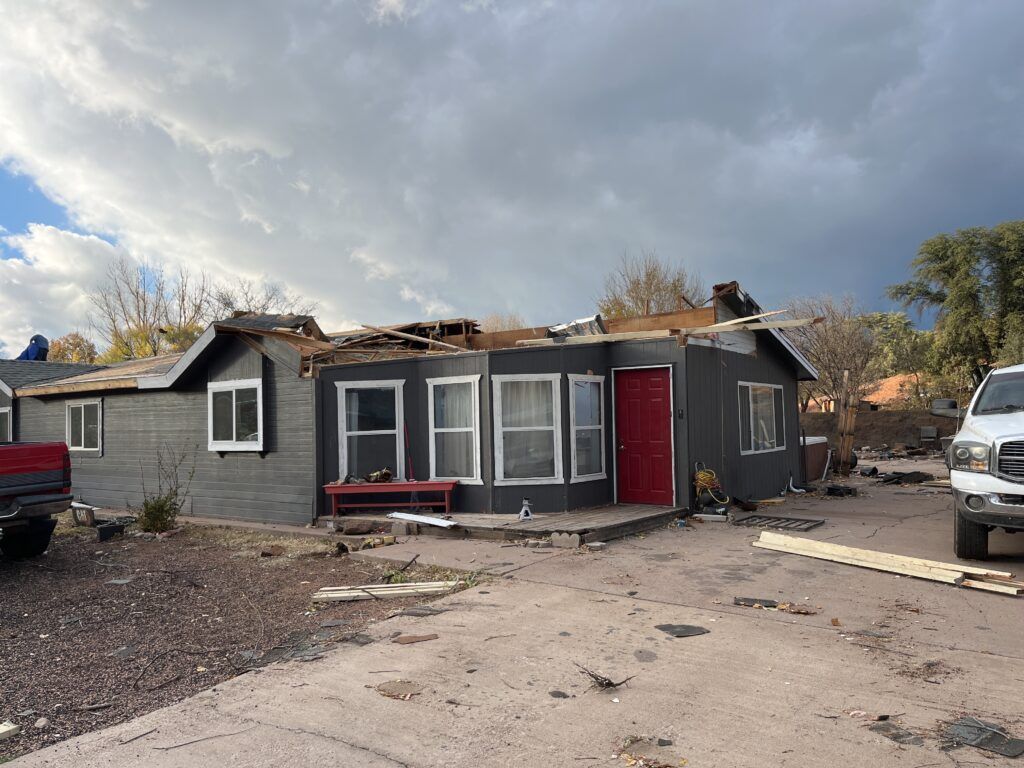
Northern Arizona's official monsoon season runs through September 30, so September is not too late for storm-related water intrusion.
The National Weather Service notes that Payson receives a significant share of its yearly rainfall during monsoon season, while Show Low also sees frequent summer thunderstorms and heavy downpours. NWS Northern Arizona monsoon information
After a storm, check for:
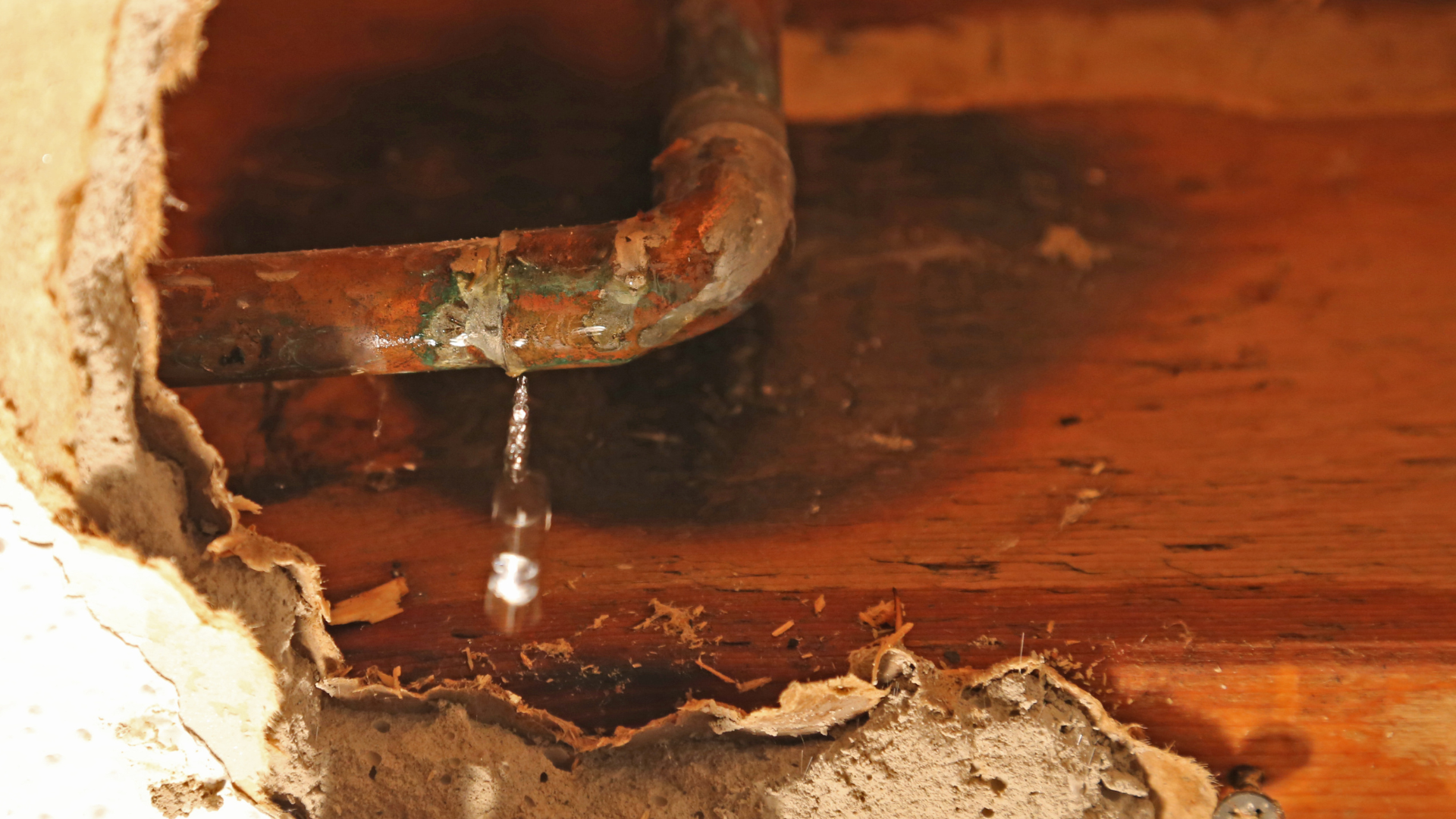
- Brown or yellow staining
- Bubbling paint
- Soft drywall
- Swollen baseboards
- Sagging ceiling board
- Musty odor
- Wet flooring near the wall
- Moisture returning after the next storm
RestorePro responds to water damage in both Payson and Show Low with extraction, moisture mapping, structural drying, dehumidification, and reconstruction when damaged materials cannot be saved.
When Wet Drywall Can Sometimes Be Dried
The EPA notes that drywall may sometimes be dried in place when there is no obvious swelling and the seams remain intact. It also stresses that wall cavities need to be dried, not just the visible surface. EPA mold and drying guidance
Drying is more realistic when:
- The water source was clean
- The drywall was wet for a short time
- The board is still firm
- Seams have not separated
- Fasteners are still holding
- There is no visible mold
- Insulation can be dried or removed as needed
- Moisture readings are dropping during drying
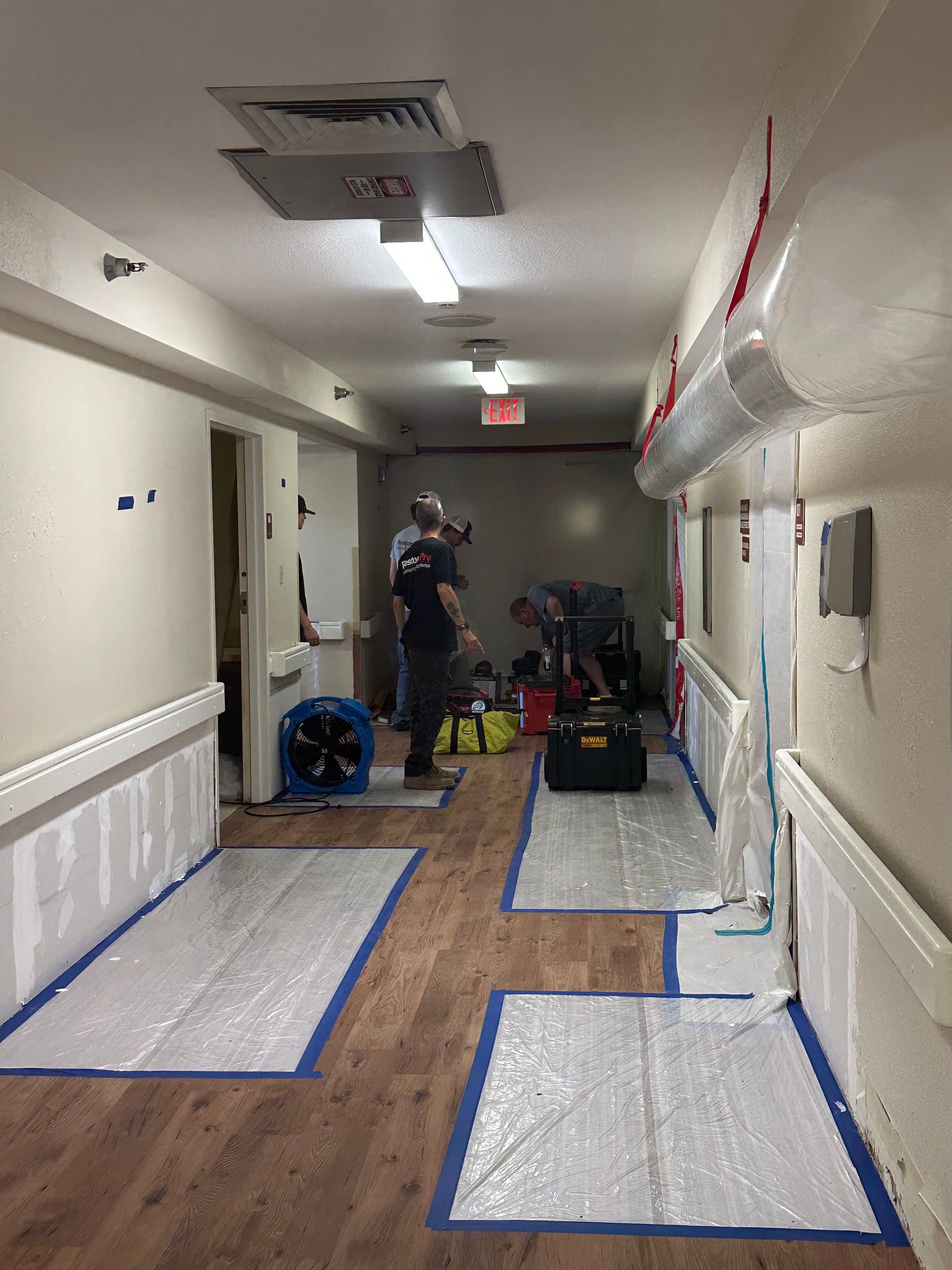
At RestorePro, we use moisture meters and thermal imaging to see whether the wall is actually drying.
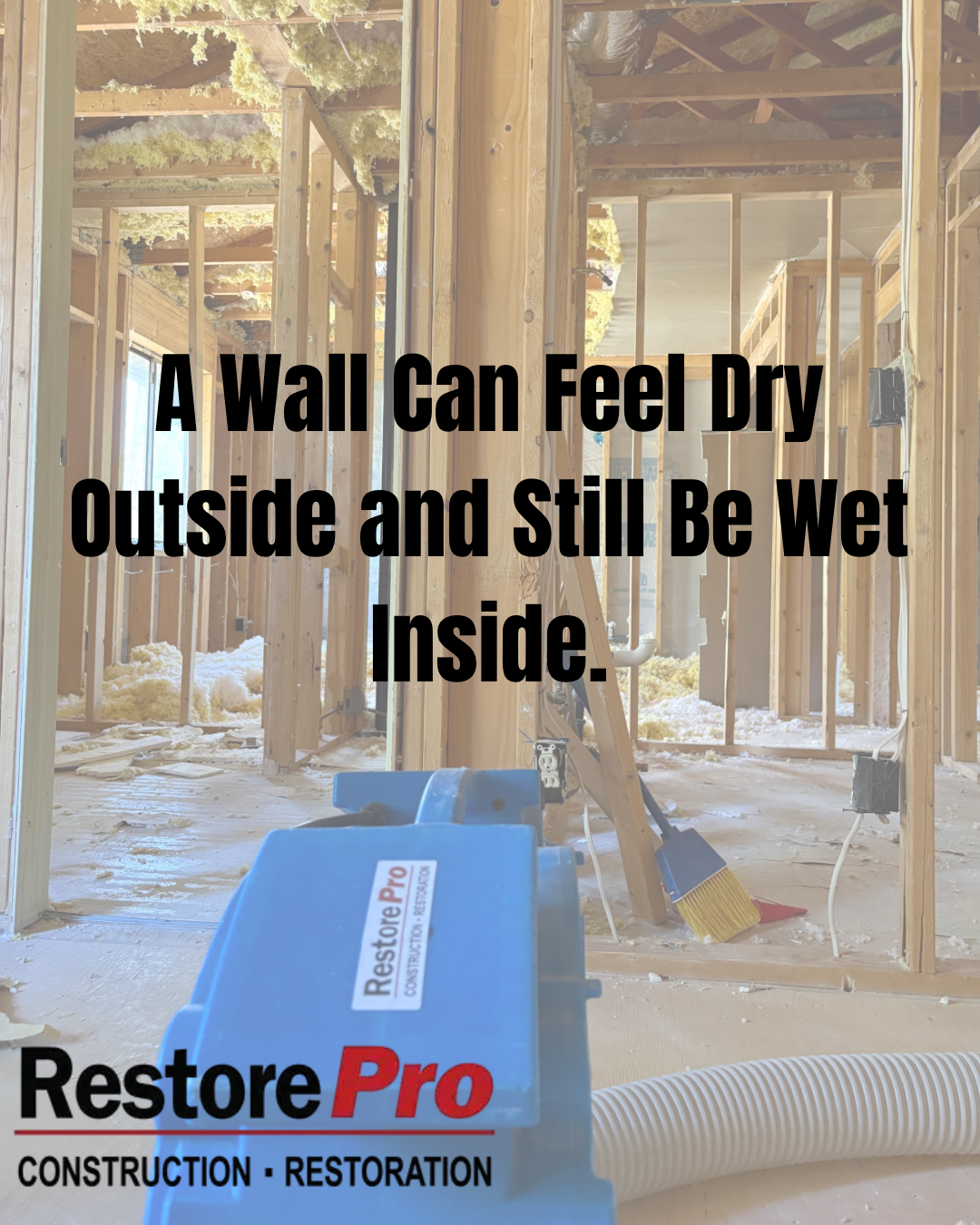
A wall that feels dry to the touch can still be holding moisture behind the paint, inside the gypsum, or in the insulation.
When Water-Damaged Drywall Should Be Removed
Water damaged drywall should usually be removed when the board itself has started to fail or when the water source makes the material difficult to restore safely.
Dry or Replace?
| Drywall Condition | Drying May Work | Removal Is More Likely |
|---|---|---|
| Light clean-water exposure | Yes | If heavily saturated |
| Board stays flat and firm | Yes | If swollen or sagging |
| Seams remain intact | Yes | If tape or seams release |
| No visible mold | Yes | If mold is established |
| Cavity can be dried | Yes | If moisture stays trapped |
| Stormwater entered the wall | Less likely | Often safer to remove |
| Wet insulation behind drywall | Depends | Often requires opening |
| Wet longer than 24-48 hours | More concern | Removal may be needed |
If the paper facing is peeling, the gypsum core is soft, or the board has lost its shape, drying may remove moisture but it will not restore the material's strength.
That is when replacement becomes the better option.
Monsoon Water Changes the Decision
A clean plumbing leak is different from stormwater that crossed soil, entered through exterior openings, or carried debris into the house.
For a Payson or Show Low monsoon loss, we ask:
- Did the water come through the roof?
- Did exterior runoff enter the building?
- Did water reach carpet or flooring?
- Was insulation saturated?
- Was sewage involved?
- How long was the wall wet?
A clean roof leak caught quickly may allow more material to be dried.
Stormwater that soaked the lower portion of a wall may require controlled removal of drywall and insulation so the framing behind it can be cleaned and dried correctly.
RestorePro handles water damage restoration from the first moisture assessment through final repairs.
Use This 10-Minute Homeowner Check
You do not need to open the wall yourself.
Check the Wall
Look for:
- Softness near the bottom
- Swollen seams
- Bubbling paint
- Growing water stains
- Sagging drywall
- Damp trim
- Musty odor
Check Nearby Areas
Water often spreads farther than the first visible mark.
Look at:
- The opposite side of the wall
- Nearby closets
- Flooring at the base
- Cabinets against the wall
- Rooms below a ceiling leak
- Adjacent baseboards
Take photos and note when the water entered.
If water is close to outlets, switches, or electrical fixtures, avoid using the affected electrical components until the area can be evaluated safely.
What Structural Drying Actually Does
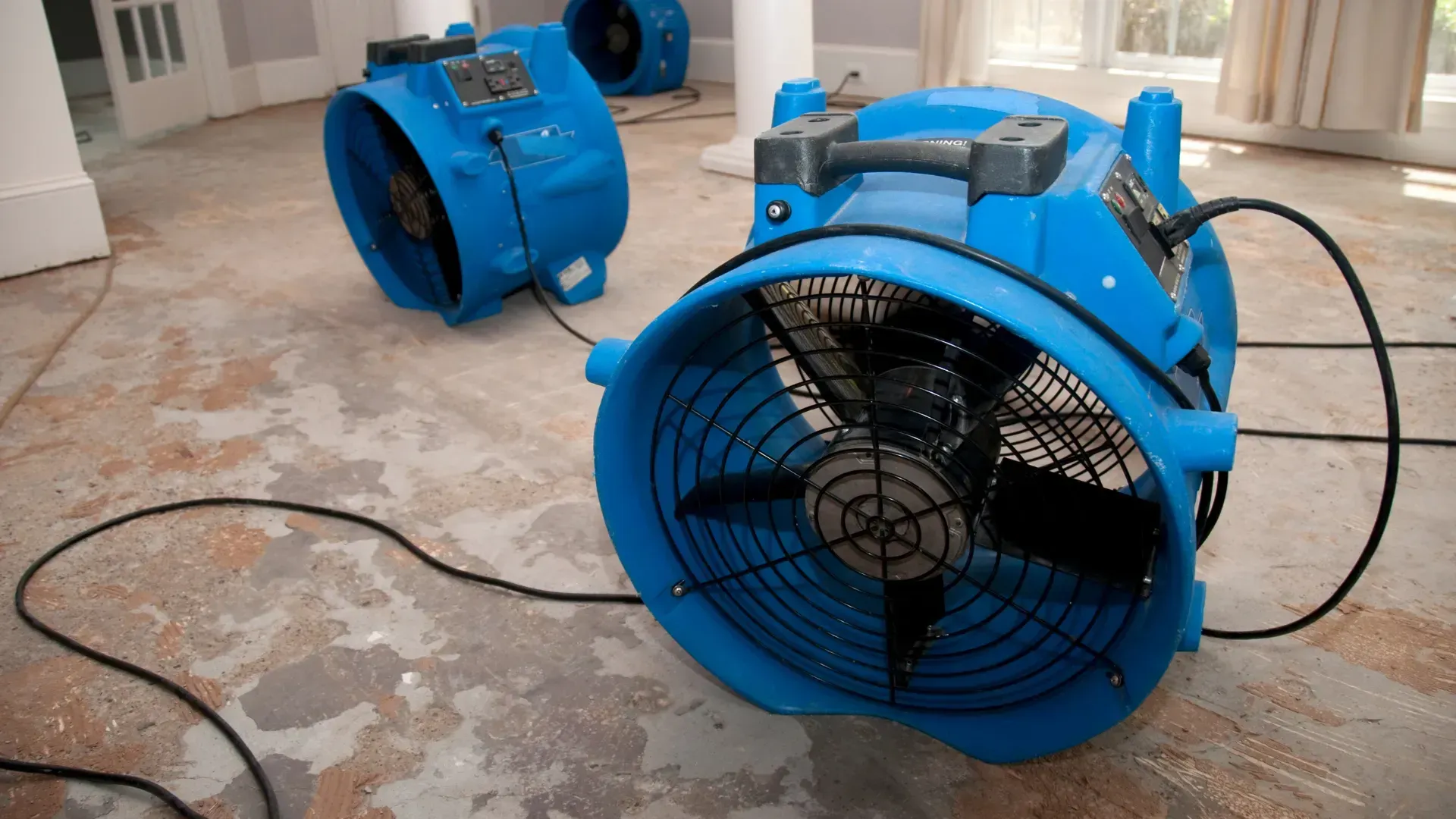
Structural drying is more than putting fans in the room.
RestorePro maps where the moisture traveled, removes standing water, opens materials when necessary, and places drying equipment based on what is actually wet.
The process may include:
- Moisture mapping
- Water extraction
- Material removal where needed
- Industrial air movement
- Dehumidification
- Daily moisture checks
- Final verification before rebuilding
For many standard residential losses, structural drying may take around 3 to 5 days, although larger losses or hidden wall cavities can take longer.
We do not rebuild the wall simply because the front surface feels dry.
The framing and other materials behind it need to be ready before new drywall closes the wall again.
Why the 24-to-48-Hour Window Matters
The EPA recommends drying wet materials within 24 to 48 hours whenever possible to reduce the chance of mold growth.
That does not mean mold automatically appears at a specific hour.
It means quick drying matters.
Mold risk increases when:
- Drywall stays damp
- Insulation remains wet
- Indoor humidity stays high
- Water gets trapped inside the wall
- Stormwater enters repeatedly
- New materials are installed before drying is verified
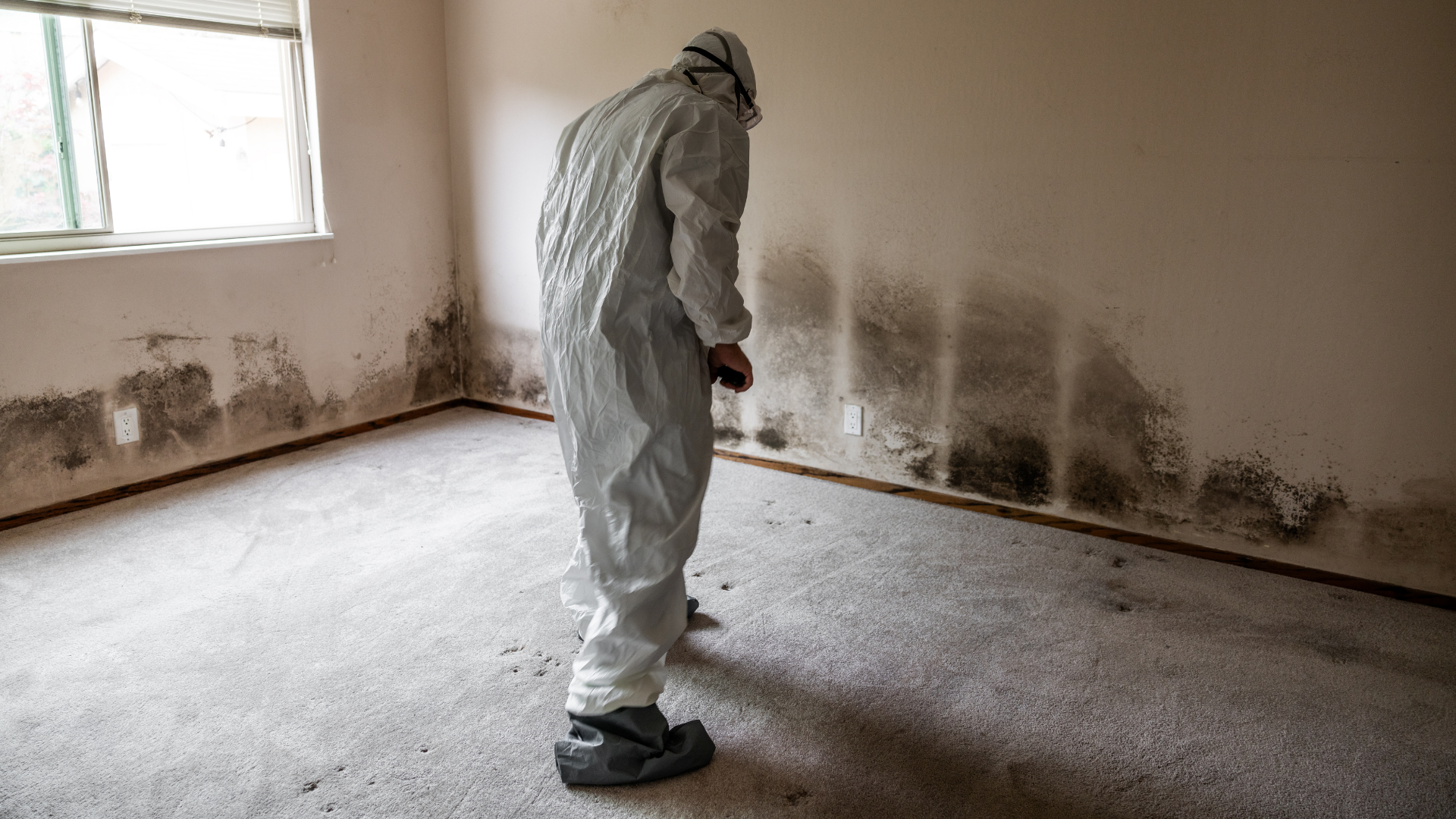
If mold is already established, RestorePro can handle mold remediation along with the water-damage work and reconstruction that follows.
For Show Low properties, our local team also provides full restoration service from our Show Low office.
What Does Wet Drywall Restoration Cost?
For Estimated 2026 Market Context, current Phoenix-area data places many water damage restoration projects between about $1,834 and $7,598, with an average around $4,623.
Broader drywall repair data commonly places water-damaged drywall work around $300 to $850, depending on how much material needs to be removed and rebuilt. Angi water damage cost guide
These are planning figures, not RestorePro fixed pricing.
Estimated 2026 Cost Context
| Project Type | Estimated Market Context |
|---|---|
| Water damage restoration | $1,834-$7,598 |
| Average restoration project | About $4,623 |
| Water-damaged drywall work | About $300-$850 |
The final scope depends on:
- Water source
- Affected square footage
- Hidden moisture
- Drying time
- Insulation damage
- Mold conditions
- Flooring or cabinet involvement
- Reconstruction needed afterward
RestorePro handles mitigation and reconstruction under one team, so the drying decision stays connected to the repair work that comes next.
Frequently Asked Questions
Does wet drywall always need to be replaced after a monsoon storm?
No. Clean-water exposure caught quickly may sometimes be dried when the board remains firm and the wall cavity can be dried. Swelling, soft material, mold, contamination, or prolonged saturation make replacement more likely.
How long can drywall stay wet before mold becomes a concern?
The EPA recommends drying wet materials within 24 to 48 hours whenever possible. That is a response window, not an exact mold timer.
Can drywall feel dry while the inside of the wall is still wet?
Yes. Paint and the front surface can dry before insulation, framing, or the back side of the drywall. Moisture readings help confirm what is still wet.
Can only part of the drywall be removed?
Sometimes. If damage is limited to the lower section, controlled removal can stop above the affected material while sound drywall remains.
Does RestorePro handle water damage in Show Low too?
Yes. RestorePro provides 24/7 water damage restoration in both Payson and Show Low, including extraction, structural drying, moisture mapping, repairs, and reconstruction.
Dry What Can Be Saved and Replace What Cannot
Wet drywall should not be removed automatically, and it should not be saved automatically either.
At RestorePro, we look at the water source, material condition, moisture readings, and what is happening inside the wall before deciding what stays and what comes out.
If the material can be dried safely, we dry it.
If the drywall has lost strength, stayed wet too long, or was exposed to contaminated water, we remove it so the structure behind it can be cleaned and dried properly.
For homeowners in Payson and Show Low, acting quickly after monsoon water intrusion can limit unnecessary demolition while still protecting the parts of the structure that need to remain.
RestorePro provides 24/7 emergency response and handles the project from water extraction through drying, repair, and final reconstruction.
Water Damage Restoration
RestorePro in Payson
RestorePro in Show Low
Mold Remediation in Payson
Storm Damage Restoration
Contact RestorePro
Recent Posts
RESTOREPRO
Is Your Property Damaged Right Now? Do Not Wait.
Every hour without professional mitigation means more structural damage and higher repair costs. Whether you are dealing with standing water, fire residue, or visible mold growth, the fastest decision you can make is calling a team that is already on the way. RestorePro has certified crews on call across Payson, Show Low, Snowflake, and Winslow, ready to respond within 30 minutes of your call.