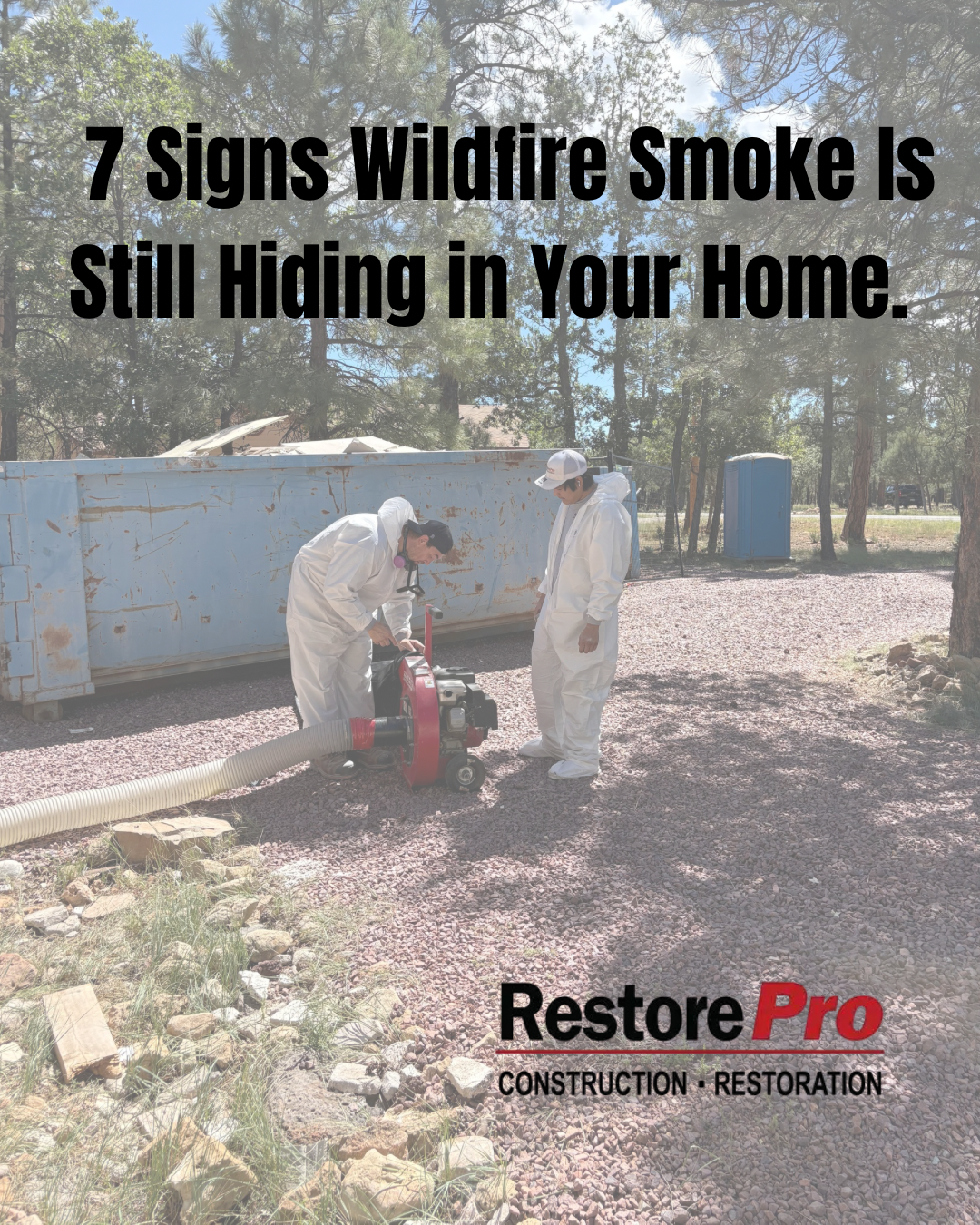
7 Signs Wildfire Smoke Has Caused Hidden Damage Inside Your Home
What Snowflake Homeowners Should Check Before Monsoon Season Ends
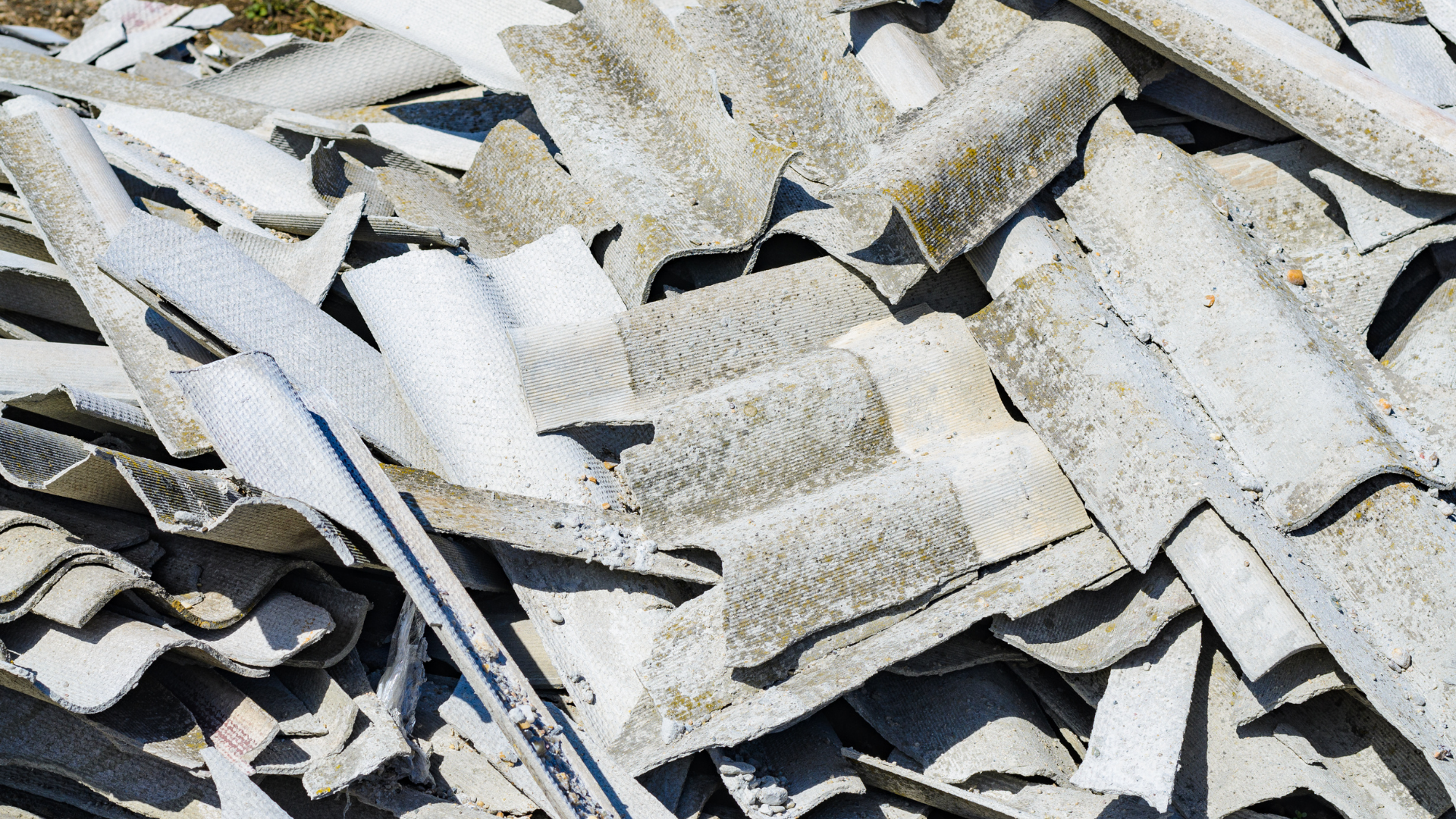
For estimated 2026 market context, Angi's July 2026 asbestos testing data puts professional testing at about $231 to $776, with an average around $483. Angi's asbestos testing cost guide notes that home size, number of samples, access, and laboratory analysis affect the final cost.
For removal, Angi's
August 1, 2026 cost update reports approximately
$1,215 to $3,283 for many indoor abatement projects, with an overall average around
$2,248 and a broader range that can extend from several hundred dollars to more than $6,000 depending on the project. Angi's 2026 asbestos removal guide also gives an estimated
$5 to $20 per square foot for many interior removal situations. Use these figures as early budgeting context until the actual material, area, access, and containment scope are known.
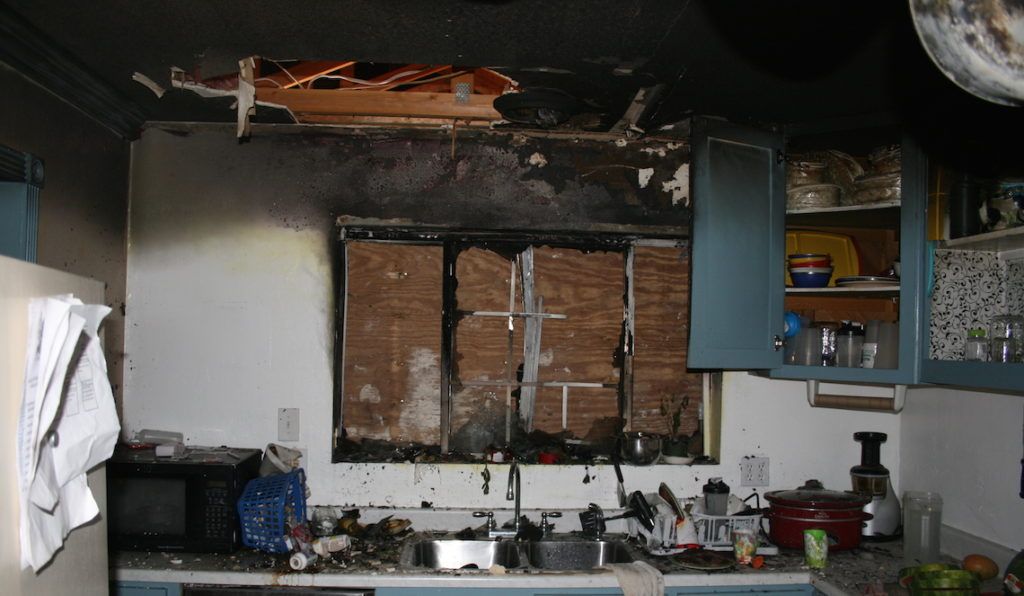
Wildfire smoke can affect a home even when flames never reach the property. Fine particles can enter through doors, windows, small gaps, ventilation systems, and HVAC fresh-air intakes, then settle throughout the structure. In Show Low, a home can look normal after the haze clears while smoke odor, residue, and hidden contamination remain inside.
At RestorePro,
smoke damage restoration is about more than making a room smell better. We inspect where smoke traveled, what absorbed it, whether residue reached the HVAC system, and which materials can be cleaned or restored. Our Show Low team provides 24/7 fire and smoke damage response, with Payson supporting service across the Rim Country.
Why Wildfire Smoke Can Cause Damage Without a Structure Fire
The U.S. EPA explains that wildfire smoke can enter homes through open doors and windows, mechanical ventilation, HVAC fresh-air intakes, and small cracks or gaps around the building. EPA Wildfires and Indoor Air Quality Once those particles are indoors, they can move through rooms, settle on furnishings, load air filters, and become trapped in porous materials.
This is different from a house fire because the home may have no visible charring. Damage can be subtle after a prolonged smoke event or when outside air was pulled through a cooling or ventilation system. RestorePro’s fire and smoke damage restoration service checks both visible soot and less obvious contamination.
7 Signs Wildfire Smoke Has Caused Hidden Indoor Damage
1. The Smoke Odor Returns After the Windows Have Been Opened
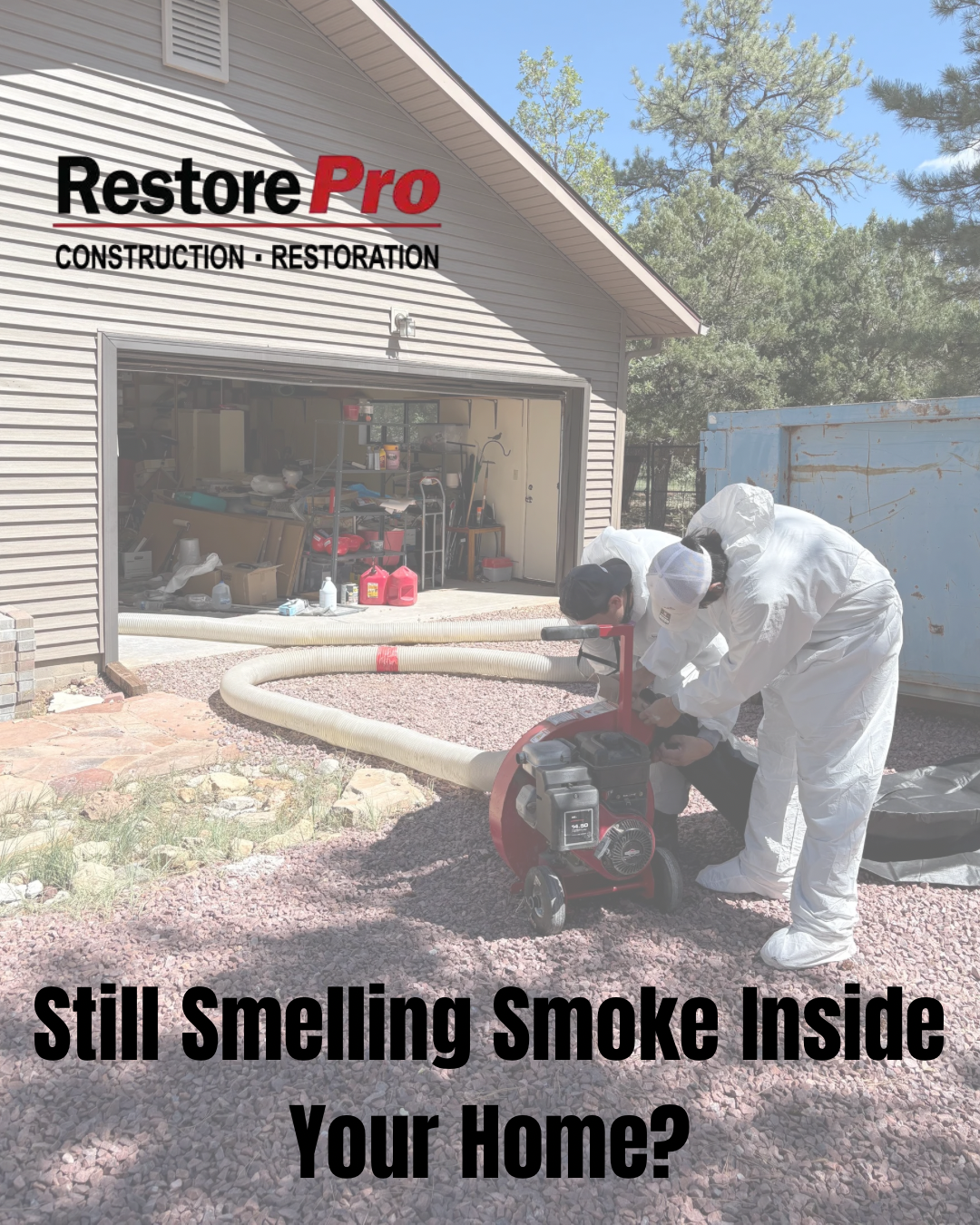
A home may smell better after outdoor air quality improves, but that does not mean the smoke residue is gone. Odor can remain trapped in carpet, upholstery, drywall, insulation, wood, and other porous materials, then return as indoor conditions change. Professional smoke odor removal focuses on identifying what absorbed the smoke rather than simply covering the smell.
2. The HVAC System Makes the House Smell Smoky When It Runs
If the home smells stronger when the heating or cooling system starts, smoke may have reached filters, return-air areas, supply vents, or other HVAC components. A dirty filter alone does not prove the ducts are contaminated, but it is an important clue when the odor follows system operation. RestorePro checks the filter, visible vents, and contamination pattern before recommending HVAC-related cleaning or deodorization.
3. You See Fine Gray, Black, or Oily Residue on Surfaces
Wildfire smoke can leave fine gray, black, or slightly oily residue on window sills, shelves, fixtures, walls, ceilings, and cabinet tops. Do not aggressively scrub unfamiliar residue because the wrong method can smear particles into paint, wood, or fabric and create a harder stain. Professional soot damage cleanup matches the cleaning method to the residue and surface.
4. Closets, Cabinets, and Closed Rooms Smell Worse Than Open Areas
Fine smoke particles can move through gaps, under doors, around cabinets, and with normal pressure changes inside the house. Closets and closed rooms may hold odor longer because they receive less fresh-air exchange after the event. A stronger smell in linen closets, cabinets, storage rooms, or other enclosed spaces suggests smoke traveled farther than the visible haze indicated.
5. Upholstery, Bedding, Carpet, or Clothing Still Smells Smoky
Soft materials can absorb odor and particles even when they never look visibly dirty. Carpet, upholstered furniture, mattresses, curtains, bedding, and clothing can all hold smoke after the event. RestorePro provides content pack-out, inventory, cleaning, deodorization, and storage when belongings need treatment alongside the structure.
6. Metal Fixtures or Electronics Have a Film or Early Corrosion
Smoke residue can settle on metal fixtures, appliance components, electronics, and exposed fasteners, sometimes leaving a film or early discoloration. Do not spray general-purpose cleaners directly into electronics, outlets, appliances, or HVAC equipment because sensitive components may need specialized handling. RestorePro documents affected contents and helps determine what should be cleaned, evaluated, or included in an insurance claim.
7. The Attic, Insulation, or Hidden Spaces Hold the Odor
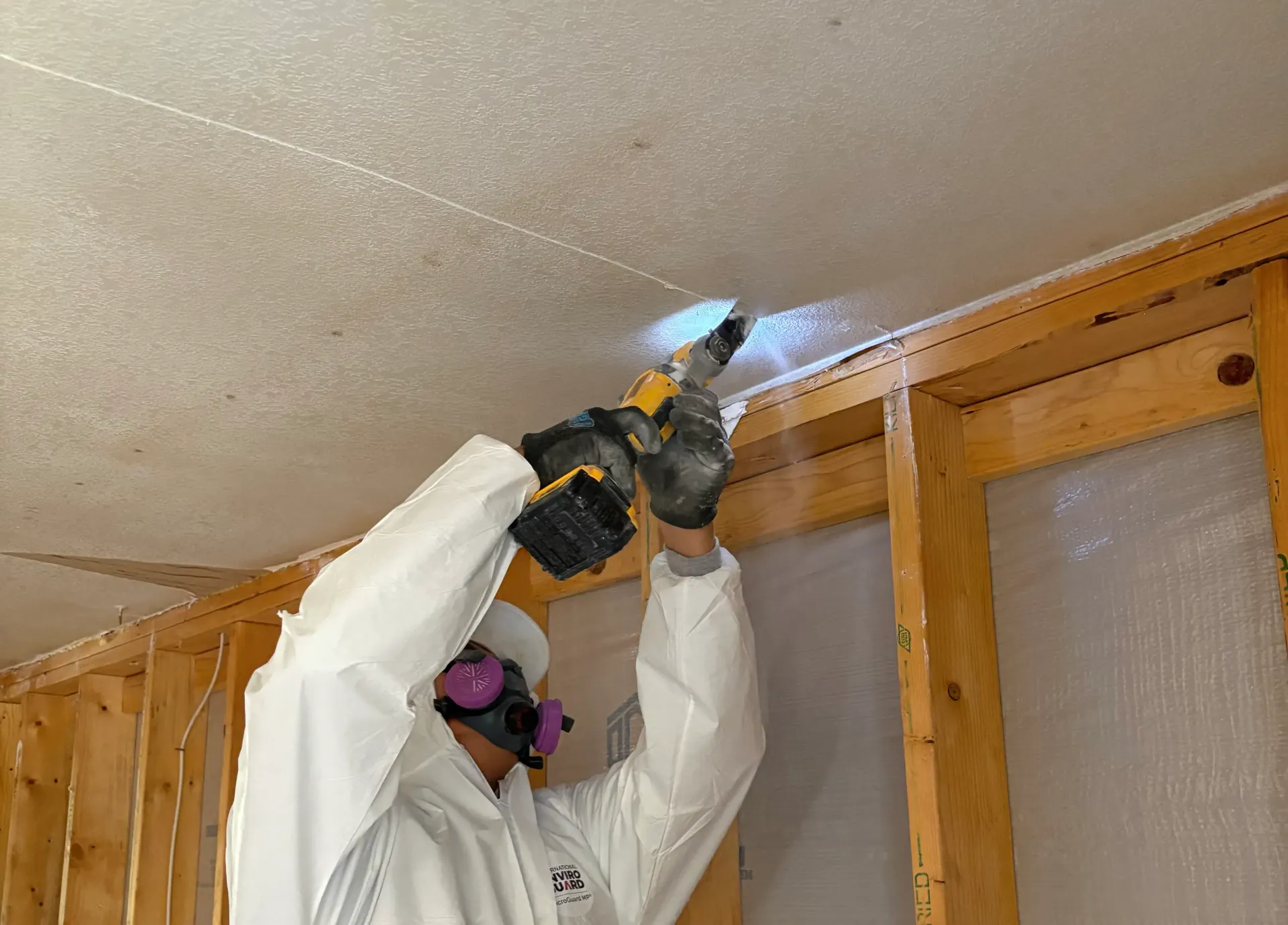
Smoke odor that seems to come from an attic, crawlspace, utility cavity, or behind finished surfaces is a strong sign that contamination traveled beyond the main rooms. Porous insulation and unfinished wood can hold odor after visible surfaces have already been cleaned. RestorePro checks those hidden areas before repainting, replacing finishes, or closing the project.
What the Smoke Pattern Can Tell You
The location of the odor or residue often gives us the first clue about how smoke entered and where it traveled. A smell that appears only when the HVAC runs points toward a different inspection path than soot found on window sills or smoke odor concentrated in an attic. The table below is a practical starting point, not a final diagnosis.
| What You Notice | What It May Point To | What We Check Next |
|---|---|---|
| Odor returns after airing out | Porous materials holding smoke | Carpet, drywall, upholstery, insulation |
| Odor increases when HVAC runs | Filter or system contamination | Filter, returns, supply registers |
| Gray or black surface film | Fine smoke or soot residue | Surface type and residue pattern |
| Closets smell stronger | Trapped smoke in enclosed spaces | Clothing, shelving, wall surfaces |
| Fabrics keep smelling smoky | Absorbed smoke residue | Cleaning and deodorization needs |
| Film on metal or electronics | Fine soot or residue | Equipment condition and safe cleaning |
| Attic or wall odor | Hidden smoke migration | Insulation, framing, penetrations |
A good
fire damage restoration assessment follows the pattern instead of treating every room the same. Some areas may only need cleaning and deodorization, while others may require material removal or specialty treatment. RestorePro documents those differences before building the restoration scope.
Use This 15-Minute Indoor Smoke Check
Wait until outdoor air quality has improved before doing a detailed walkthrough. Move room by room and compare odor intensity before spraying fragrances or cleaners. The goal is to identify patterns before they are masked.
Check the Rooms and Contents
Look at window sills, cabinet tops, shelves, light-colored walls, ceiling corners, vents, and other surfaces where fine residue can become visible. Smell closets, upholstered furniture, bedding, carpeted rooms, and stored clothing without placing your face directly against contaminated material. Note which rooms smell stronger and whether the odor changes when the HVAC system runs.
Check Filters and Hidden Areas
Inspect the HVAC filter and other easily accessible filters without opening electrical or mechanical equipment. If you can safely access the attic opening, note whether the odor becomes noticeably stronger near it, but do not disturb insulation or visible ash. Take photos of residue, filters, and affected belongings so the original condition is documented before cleanup begins.
What Professional Smoke Damage Restoration Includes
Professional restoration begins with an assessment of the smoke source, affected rooms, surfaces, contents, and HVAC pathways. RestorePro identifies what can be cleaned, what needs specialty deodorization, and whether porous materials require removal. The plan follows the actual contamination pattern rather than treating the entire house the same way.
Cleaning and Soot Removal
Different residues require different cleaning methods because dry particles, oily soot, and smoke film do not respond the same way. Surfaces are tested and cleaned using methods suited to paint, wood, masonry, fixtures, cabinetry, and other finishes. This reduces the chance of spreading residue or creating permanent staining during cleanup.
Smoke Odor Removal
RestorePro uses professional odor-removal methods that can include thermal fogging, hydroxyl treatment, ozone treatment in appropriate controlled conditions, and encapsulant sealers when the project requires them. These methods are selected after source materials have been cleaned or removed because odor treatment works best after the physical residue has been addressed. The purpose is to neutralize the source rather than cover it with fragrance.
Content Cleaning and Reconstruction
Belongings may be packed out, inventoried, cleaned, deodorized, and stored while structural work continues. If smoke or fire damage requires drywall, flooring, insulation, cabinetry, or other building materials to be replaced, RestorePro can continue into reconstruction. That one-team process keeps mitigation and rebuilding connected instead of leaving the homeowner to coordinate several contractors.
When Does Wildfire Smoke Need Professional Cleanup?
Not every brief smoke event requires a restoration project. If there is no persistent odor or residue after outdoor conditions improve, normal ventilation and filtration may be enough, and EPA guidance supports keeping smoke out with closed windows, recirculation, and high-efficiency filtration during events. EPA Wildfires and Indoor Air Quality Professional
smoke damage restoration becomes more appropriate when odor returns, residue remains, several rooms are affected, or the HVAC appears to redistribute the smell.
Smoke Damage Restoration in Show Low and Payson
Show Low is the primary location for this guide and one of RestorePro’s active White Mountains service areas. Our local office is on South White Mountain Road, and we provide 24/7 emergency restoration for fire, smoke, water, mold, storm, and structural damage. The forest environment around Show Low makes wildfire smoke exposure an ongoing property concern even when a home is not directly touched by flames.
RestorePro also serves Payson and the Rim Country from our South Beeline Highway office. Homes in Payson, Pine, Strawberry, and nearby wooded communities can experience the same kind of smoke migration into HVAC systems, porous finishes, furnishings, and attic spaces. Whether the loss is in Show Low or Payson, our process follows the smoke path and restores the affected structure from cleanup through final repair.
What Does Smoke Damage Restoration Cost?
For Estimated 2026 Market Context, Angi reports that professional smoke damage restoration commonly costs about $200 to $1,200 per room, while soot removal may add roughly $2,000 to $6,000 depending on the extent of contamination. Duct cleaning is commonly listed around $250 to $500, with thermal fogging around $200 to $600 and ozone treatment around $400 to $800. Angi 2026 Fire Damage Restoration Cost These are broad national market estimates, not RestorePro pricing.
| Cost Factor | Why It Changes the Scope |
|---|---|
| Number of rooms affected | More surfaces and contents require treatment |
| Heavy soot versus light smoke | Changes cleaning method and labor |
| HVAC involvement | May add filter, duct, or system-related work |
| Carpet and upholstery exposure | Porous materials require deeper treatment |
| Attic or insulation contamination | Hidden areas can expand the restoration scope |
| Content pack-out | Adds inventory, transport, cleaning, and storage |
| Material replacement | Adds drywall, insulation, flooring, or finish repairs |
| Reconstruction | Extends work beyond cleaning and deodorization |
RestorePro provides project estimates after inspecting the smoke path, affected materials, contents, and hidden spaces. We also document damage and coordinate with insurance adjusters when a covered claim is involved. A one-room odor issue will have a very different scope from whole-house contamination involving HVAC, contents, insulation, and reconstruction.
Frequently Asked Questions
Can wildfire smoke damage a home even if there was no fire on the property?
Yes. Wildfire smoke can enter through doors, windows, ventilation systems, HVAC intakes, and small gaps around the building. Once inside, particles and odor can settle on surfaces and become absorbed by fabrics, carpet, insulation, drywall, and other porous materials.
How do I know if wildfire smoke is still inside my home?
Persistent odor is one of the most common clues, especially when it returns after the home has been aired out. Other signs include unusually dirty filters, visible gray or black residue, odor that gets stronger when the HVAC runs, and smoke smell inside closets, upholstery, or attic areas. A professional inspection can determine how far the smoke traveled.
Can an air purifier remove all smoke damage?
Air cleaners can reduce airborne smoke particles and are useful during wildfire smoke events, but they do not clean soot or residue that has already settled on walls, contents, carpet, or other materials. They also cannot remove every odor source trapped in porous building materials. Physical cleaning and deodorization may still be needed after significant exposure.
How long does smoke odor removal take?
The timeline depends on how much of the home was affected and which materials absorbed the smoke. A light one-room odor issue may be handled relatively quickly, while whole-house contamination involving contents, HVAC, insulation, or reconstruction can take much longer. RestorePro develops the schedule after evaluating the actual damage.
Does RestorePro provide smoke damage restoration in Payson as well as Show Low?
Yes. Show Low is the primary location for this guide, and RestorePro also provides fire and smoke damage restoration in Payson and the Rim Country. Both locations have 24/7 emergency response and can handle soot cleanup, smoke odor removal, contents restoration, structural repairs, and reconstruction.
Find the Smoke Damage Before the Odor Keeps Coming Back
Wildfire smoke can leave damage behind even when a home never experiences direct flame contact. A returning odor, dirty HVAC system, fine residue, smoky closets, contaminated fabrics, residue on sensitive equipment, or odor trapped in an attic can all show that the smoke traveled deeper into the property than it first appeared. Finding those areas early makes it easier to build a restoration plan around the actual contamination instead of repeatedly treating the same smell.
RestorePro has served Northern Arizona since 2005 and provides smoke damage restoration from local offices in Show Low and Payson. Our Show Low team handles assessment, soot cleanup, smoke odor removal, contents restoration, insurance documentation, and reconstruction under one coordinated process. If wildfire smoke has entered your home and the odor or residue is not going away, a professional inspection can determine what needs cleaning, what can be restored, and what should be replaced.
Fire & Smoke Damage Restoration
RestorePro in Show Low
RestorePro in Payson
Fire & Smoke Damage Restoration in Payson
Contact RestorePro
Recent Posts
RESTOREPRO
Is Your Property Damaged Right Now? Do Not Wait.
Every hour without professional mitigation means more structural damage and higher repair costs. Whether you are dealing with standing water, fire residue, or visible mold growth, the fastest decision you can make is calling a team that is already on the way. RestorePro has certified crews on call across Payson, Show Low, Snowflake, and Winslow, ready to respond within 30 minutes of your call.