Black construction crane lifting a black building icon, with a city skyline silhouette

Plumbing Leaks vs Storm Water Intrusion: Which Causes More Hidden Damage in Northern Arizona Homes?

October 19, 2026

Share this article

What Snowflake Homeowners Should Check Before Monsoon Season Ends

For estimated 2026 market context, Angi's July 2026 asbestos testing data puts professional testing at about $231 to $776, with an average around $483. Angi's asbestos testing cost guide notes that home size, number of samples, access, and laboratory analysis affect the final cost.


For removal, Angi's August 1, 2026 cost update reports approximately $1,215 to $3,283 for many indoor abatement projects, with an overall average around $2,248 and a broader range that can extend from several hundred dollars to more than $6,000 depending on the project. Angi's 2026 asbestos removal guide also gives an estimated $5 to $20 per square foot for many interior removal situations. Use these figures as early budgeting context until the actual material, area, access, and containment scope are known.

Estimated 2026 Market Context
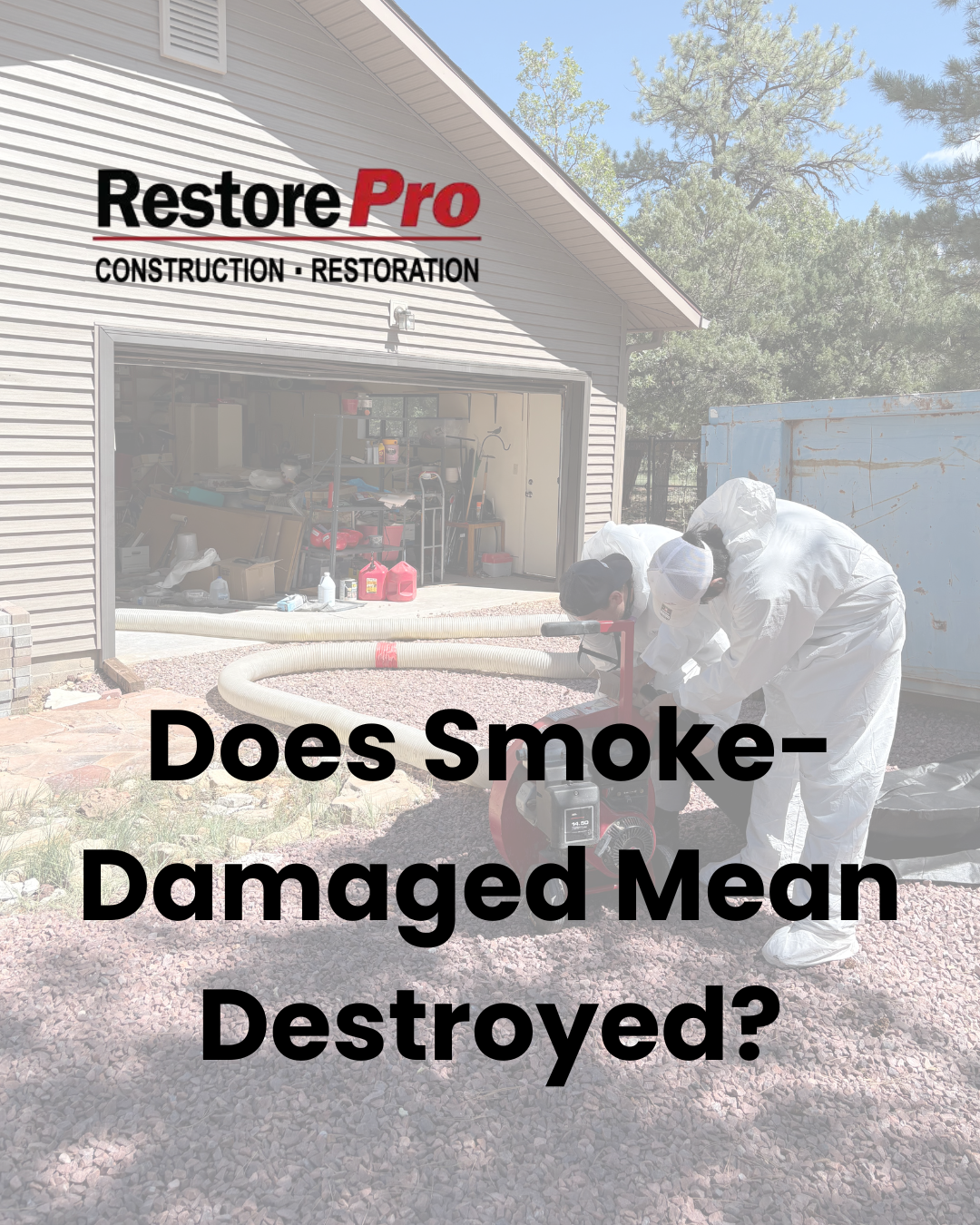
Workers clean a smoke-damaged home exterior with text: “Does Smoke-Damaged Mean Destroyed?”

Water damage is not defined only by how much water appears on the floor. A slow pipe leak can remain hidden inside a wall for weeks, while storm water may enter rapidly through roofing, windows, exterior walls, or low points around the structure. Plumbing leak vs water intrusion is therefore a comparison of source, duration, travel path, contamination, and the materials that became wet. Either event can cause significant hidden water damage when moisture reaches cavities that do not dry on their own.


At RestorePro, we handle water damage from burst pipes, leaking fixtures and appliances, roof and storm entry, groundwater, and other unexpected sources across Northern Arizona. We do not assume the most dramatic-looking event caused the deepest damage. Instead, we trace moisture beyond visible surfaces, document affected materials, and build the drying and removal plan around what the assessment finds. This guide explains how homeowners can compare the two causes and respond without overlooking concealed moisture.

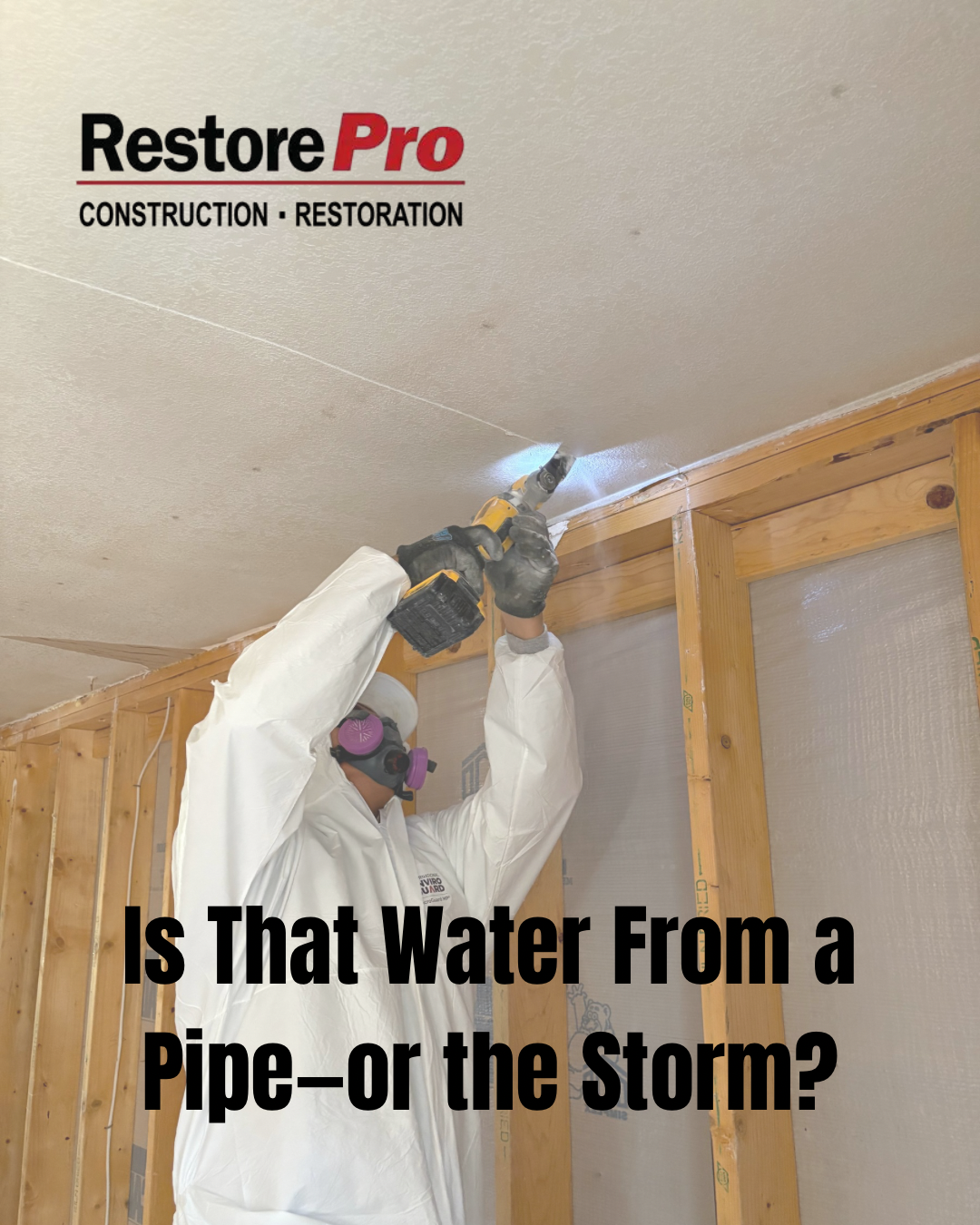
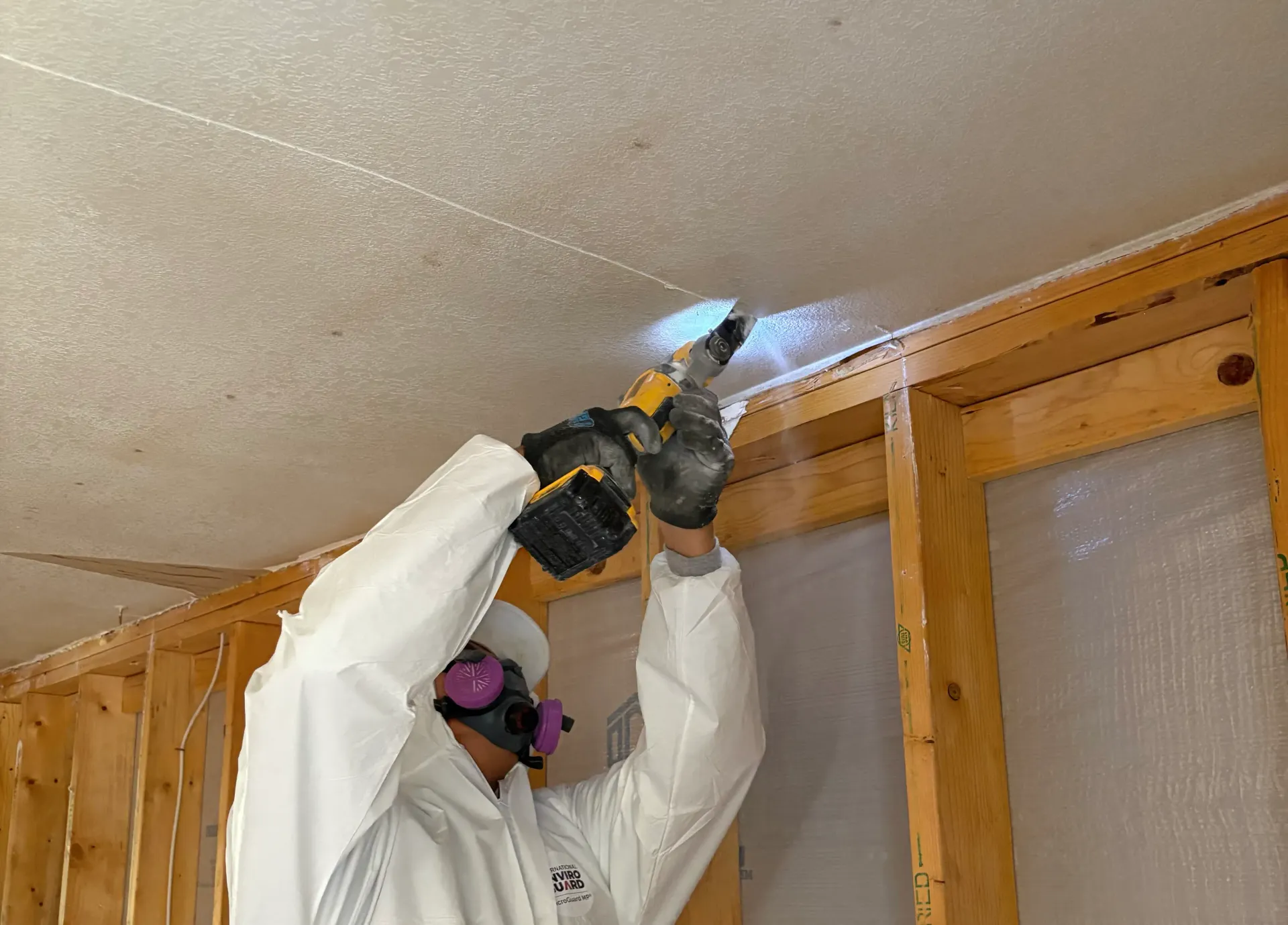
Worker inspects a ceiling leak with a drill; RestorePro logo and text read, “Is That Water From a Pipe—or the Storm?”

How Plumbing Leaks and Storm Intrusion Behave Differently

Plumbing failures begin inside the building system. A pressurized supply line can release water continuously until the valve is closed, while a drain, fixture, water heater, appliance, or slow connection may leak only during use. Because pipes run through cabinets, walls, ceilings, floors, and crawl spaces, the first visible stain may appear far from the source. A small leak can create a large hidden problem when it continues between occupied rooms or beneath finished materials.


Storm water begins outside and follows openings, slopes, gravity, wind pressure, and drainage paths into the home. It may enter through damaged roofing, flashing, vents, windows, doors, siding transitions, foundations, or runoff near the building. The wet area can expand quickly when rainfall is wind-driven or when surface water collects against the structure. Storm intrusion also brings questions about exterior repairs and contamination that may not apply to a clean supply-line break.

Plumbing Leak vs Storm Water Intrusion at a Glance

Neither source always causes more hidden damage. Plumbing leaks often stay concealed longer, especially when they release slowly or operate intermittently. Storm water can affect more materials at once and may introduce dirt, debris, microorganisms, or other contaminants depending on the path. The most damaging event is usually the one that remains active or wet the longest.

Damage factor Plumbing leak Storm water intrusion
Starting point Supply, drain, fixture, appliance, water heater, or plumbing connection Roof, wall, window, door, foundation, drainage path, or surface runoff
Common pattern Concentrated near the source but able to travel through cavities Often follows roof slopes, wall assemblies, openings, and low areas
Visibility May remain hidden until staining, odor, swelling, or higher water use appears Often noticed during or after weather, but the interior path may remain concealed
Contamination Depends on whether the source is supply water, appliance discharge, drain water, or sewage Depends on whether water entered through the roof or contacted soil, runoff, debris, or sewage
Source control Shutoff, plumbing repair, or appliance isolation Temporary protection plus roof, envelope, grading, or drainage correction
Drying challenge Cabinets, wall cavities, insulation, subfloors, and areas beneath fixtures Attics, insulation, ceilings, exterior walls, floors, and multiple rooms
Recurrence risk Returns if the failed plumbing component is not repaired Returns if the exterior entry point or drainage condition remains unresolved

The label alone cannot determine the restoration scope. A clean-water plumbing break discovered immediately may be easier to dry than runoff that entered through a doorway. A roof leak found quickly may be smaller than a pinhole plumbing leak that has saturated framing over time. Assessment should classify the actual water, materials, spread, and elapsed time.

Where Plumbing Leaks Hide Inside a Home

Indoor plumbing creates concealed pathways that can delay discovery. Water can run along a pipe, framing member, wire, fastener, or floor seam before it becomes visible. Gravity may pull moisture to a lower level, while absorbent materials draw it sideways beyond the stain. A dry surface does not prove that insulation, drywall backing, subflooring, or a cabinet base is dry.


Common hidden locations include:

  • Behind bathroom and kitchen walls: Supply, drain, valve, and fixture connections can wet drywall and insulation before water appears.
  • Beneath cabinets and vanities: Finished surfaces may hide swollen particleboard, wet toe-kicks, or damaged flooring.
  • Under tubs, showers, toilets, and appliances: Repeated use can feed an intermittent leak that disappears between cycles.
  • Inside ceilings and floor systems: Upstairs plumbing may wet joists, insulation, recessed fixtures, and the ceiling below.
  • In crawl spaces: Moisture can affect subflooring and framing without changing the appearance of the room above.
  • Around water heaters: A valve or connection may be repairable, while leakage from the tank body can release more water unexpectedly.


Warning signs include unexplained water use, soft flooring, bubbling paint, warped trim, staining that returns, musty odor, and cabinet materials that feel swollen. These symptoms should lead to source control and moisture assessment, not only cosmetic repair. Painting over a stain or drying the visible floor can leave the wet assembly unchanged. Our water damage assessment process is designed to follow the moisture path beyond what can be seen.

Where Storm Water Travels After Entering the Structure

Storm water rarely drops straight down from the visible opening. Roof intrusion can follow decking, underlayment, rafters, trusses, fasteners, insulation, and wall framing before reaching a ceiling stain. Wind-driven rain may enter at a flashing joint or wall transition and appear several feet away. Surface runoff can move beneath flooring or into wall bottoms after crossing a doorway, foundation joint, or low exterior opening.


The exterior defect and interior moisture must both be addressed. Covering a damaged roof may stop new entry, but it does not remove water already trapped in insulation or framing. Drying the interior without correcting failed flashing, drainage, or an opening invites the next storm to restart the damage. A complete plan coordinates source correction, moisture mapping, removal decisions, structural drying, and repairs.

Contamination and Material Type Change the Cleanup

Water source matters because not all wet materials can be handled the same way. A recently broken potable supply line may begin with lower contamination concerns, but conditions can change with time and contact. Storm water that enters through roofing is different from surface runoff or floodwater that has contacted soil, waste, chemicals, or sewage. A drain or sewer backup is also different from a supply-line leak even though both are plumbing-related.

The CDC warns that floodwater may contain sewage, chemicals, germs, debris, and physical hazards. EPA guidance also recommends professional help when water or mold damage involves sewage or other contaminated water. Homeowners should avoid assuming that outdoor water is harmless because it looks clear. The path it traveled and materials it contacted are part of the assessment.


Material decisions may include:

  • Cleaning and drying sound, nonporous surfaces when contamination and condition allow.
  • Removing wet insulation that cannot be effectively cleaned or dried in place.
  • Evaluating drywall, baseboards, flooring, cabinets, and subflooring according to saturation and water conditions.
  • Opening selected cavities when moisture readings show concealed wet materials.
  • Separating salvageable contents from items that require disposal or specialized cleaning.
  • Using controlled drying, dehumidification, air movement, and monitoring rather than relying on touch alone.


The EPA advises acting quickly and notes that drying wet materials within 24 to 48 hours can prevent mold growth in many situations. That window is guidance, not a guarantee that every material can be saved. Porosity, contamination, temperature, humidity, duration, and the ability to reach every wet layer all matter. Structural drying should continue until measurements confirm the affected materials have reached the project’s drying goals.

Worker in white protective suit inspecting a water-damaged framed house with text: “Find the Source Before You Repair the Damage.”

What Water Damage Restoration May Cost

We price each restoration after assessing the source, water conditions, affected area, material saturation, access, equipment needs, contents, and repairs. A localized clean-water leak discovered quickly is a different project from storm runoff affecting several rooms or wet insulation across an attic. For independent planning context, HomeGuide’s 2026 water damage restoration cost guide lists $2,000 to $6,000 on average and approximately $4 to $12 per square foot for extraction and drying depending on water conditions and required work. These are national market figures, not our prices or a Northern Arizona quote.

Cost factor Lower-scope condition Higher-scope condition
Water source Recent clean-water release Contaminated runoff, drain water, sewage, or unknown source
Affected area One accessible room or material assembly Multiple rooms, levels, attic, crawl space, or extensive cavities
Exposure time Found and stopped quickly Repeated, slow, or undiscovered moisture
Materials Limited nonporous or readily accessible materials Insulation, drywall, cabinets, flooring, subflooring, or contents
Drying needs Shorter equipment use with accessible moisture Specialty drying, containment, more equipment, and longer monitoring
Repairs Minor finish restoration Roofing, plumbing, electrical, structural, or reconstruction work
Independent planning range Restoration averages about $2,000 to $6,000 nationally Severe projects can move far beyond average ranges

The estimate should separate mitigation from reconstruction when both are needed. Mitigation may include emergency service, extraction, controlled demolition, cleaning, equipment, moisture monitoring, and documentation. Reconstruction restores materials after drying and clearance for repairs. Comparing estimates requires confirming whether they cover the same phases and affected areas.

A Decision Framework for Hidden Water Damage

Begin with safety and source control. If water is near electrical equipment, a ceiling is sagging, sewage is present, or the structure appears unstable, avoid the area and request qualified help. Stop a plumbing source from a safe shutoff or prevent additional storm entry only when that can be done without climbing, electrical exposure, or contact with contaminated water. Then document visible conditions and avoid destroying evidence before insurance guidance when a claim may be involved.

Question Why it matters Recommended next step
Is the source still active? Ongoing water expands the affected area Stop plumbing flow or arrange temporary exterior protection safely
What did the water contact? Soil, sewage, chemicals, and waste change cleanup requirements Limit contact and identify contamination concerns
How long has it been wet? Longer exposure increases absorption, deterioration, and mold risk Begin assessment, extraction, and drying promptly
Where could water travel? Cavities can remain wet after surfaces appear dry Use moisture mapping and inspect connected assemblies
Can the material be cleaned and dried? Porosity, damage, and contamination determine salvageability Dry sound materials and remove those that cannot be safely restored
Has the cause been repaired? Restoration will fail if new water enters Coordinate plumbing, roofing, envelope, or drainage correction

Use this sequence after either type of event:

  • Protect people from electrical, structural, slip, and contamination hazards.
  • Stop or isolate the source when it is safe to do so.
  • Photograph affected rooms, contents, and visible entry points.
  • Remove standing water and begin professional moisture assessment promptly.
  • Map wet materials beyond the visible stain or puddle.
  • Establish drying, removal, cleaning, and monitoring requirements.
  • Correct the plumbing failure or exterior entry point before reconstruction is completed.


This framework avoids the most common mistake: deciding the damage is minor because the visible water is gone. Extraction removes liquid water, but absorbed moisture can remain in wood, gypsum, insulation, flooring, and cabinets. Our water damage restoration service includes extraction, moisture mapping, dehumidification, structural drying, and repair planning. The drying record should show progress instead of relying on appearance alone.

Northern Arizona Homes Face Different Water Paths

Payson and Show Low homes can experience roof and wall intrusion during intense storms as well as plumbing damage during cold-weather events. Heber and Snowflake properties may add crawl spaces, cabins, seasonal occupancy, frozen plumbing, or longer periods before a leak is discovered. In Winslow, wind-driven weather, roof exposure, drainage, and vacant periods can create different moisture patterns. Construction, access, elevation, maintenance history, and the exact event matter more than the community name by itself.


The response plan should therefore match the property. A hidden supply leak in a Payson wall may require focused cavity drying, while storm entry across a Show Low attic may involve insulation and several ceiling areas. A Heber cabin discovered after days of vacancy may have greater exposure than a Snowflake leak stopped immediately, and a Winslow runoff event may raise contamination concerns. We assess the source, path, duration, and materials before deciding what can be dried and what must be removed.

Frequently Asked Questions

  • Which usually causes more hidden damage, a plumbing leak or storm water?

    Either can cause more damage depending on duration and spread. Slow plumbing leaks often remain concealed longer, while storm water can enter across a wider area in a short time. Contamination and material absorption also affect severity. The source name alone is not enough to judge the restoration scope.

  • Can drywall feel dry while moisture remains behind it?

    Yes. Paint, joint compound, paper facing, gypsum, insulation, and framing can dry at different rates. Surface airflow may make the room feel normal while the cavity remains wet. Moisture meters, thermal imaging used appropriately, and direct inspection help locate concealed areas. Readings should guide drying and removal decisions.

  • Is rainwater considered clean water damage?

    Not automatically. Rain entering directly through a roof may begin with fewer contaminants than ground runoff, but it can collect dirt and other material as it travels. Surface water may contact soil, waste, chemicals, or sewage before entering the home. Restoration decisions should reflect the actual path and exposure.

  • Do I need structural drying after a small leak?

    Not every small leak requires a large drying setup. If water remained on a nonporous surface and was removed immediately, normal drying may be enough. Structural drying becomes more important when water reaches porous finishes, cavities, insulation, subflooring, or framing. An assessment determines whether hidden moisture remains.

  • Should I call a plumber, roofer, or restoration company first?

    Call emergency services first for immediate life-safety hazards. A plumber controls plumbing failures, while a roofer or qualified exterior contractor addresses roof entry. A restoration company handles extraction, moisture assessment, drying, removal, cleaning, and restoration planning. These roles often need to be coordinated rather than treated as alternatives.

  • Can I wait to see whether a stain dries on its own?

    Waiting can allow moisture to spread or remain trapped behind the visible surface. Marking a stain does not reveal wet insulation, framing, or flooring. If the source is unknown, recurring, extensive, contaminated, or connected to a cavity, arrange an assessment promptly. Quick action preserves more options for drying and salvage.

Get Clear Answers Before Hidden Moisture Spreads

Plumbing leaks often create deep hidden damage through duration, while storm intrusion can spread widely and introduce greater contamination concerns. The right response is to stop the source, assess the water path, measure affected materials, and begin appropriate drying or removal without delay. We evaluate each loss according to what happened in the building rather than applying one response to every event. That protects more materials and creates a defensible plan for restoration.


If your home in Payson, Show Low, Heber, Winslow, or Snowflake has a plumbing leak or storm-related water intrusion, RestorePro is available 24 hours a day. We provide extraction, moisture mapping, structural drying, cleaning, contents support, repairs, and reconstruction when needed. Our team will explain what is wet, what may be salvageable, and what must happen before finishes are restored. Contact RestorePro for emergency assistance or a project assessment.


Water Damage Restoration

Water Damage Restoration in Payson

Water Damage Restoration in Show Low

Understanding Water Damage Categories

What Happens During a Water Damage Assessment

Contact RestorePro

Recent Posts

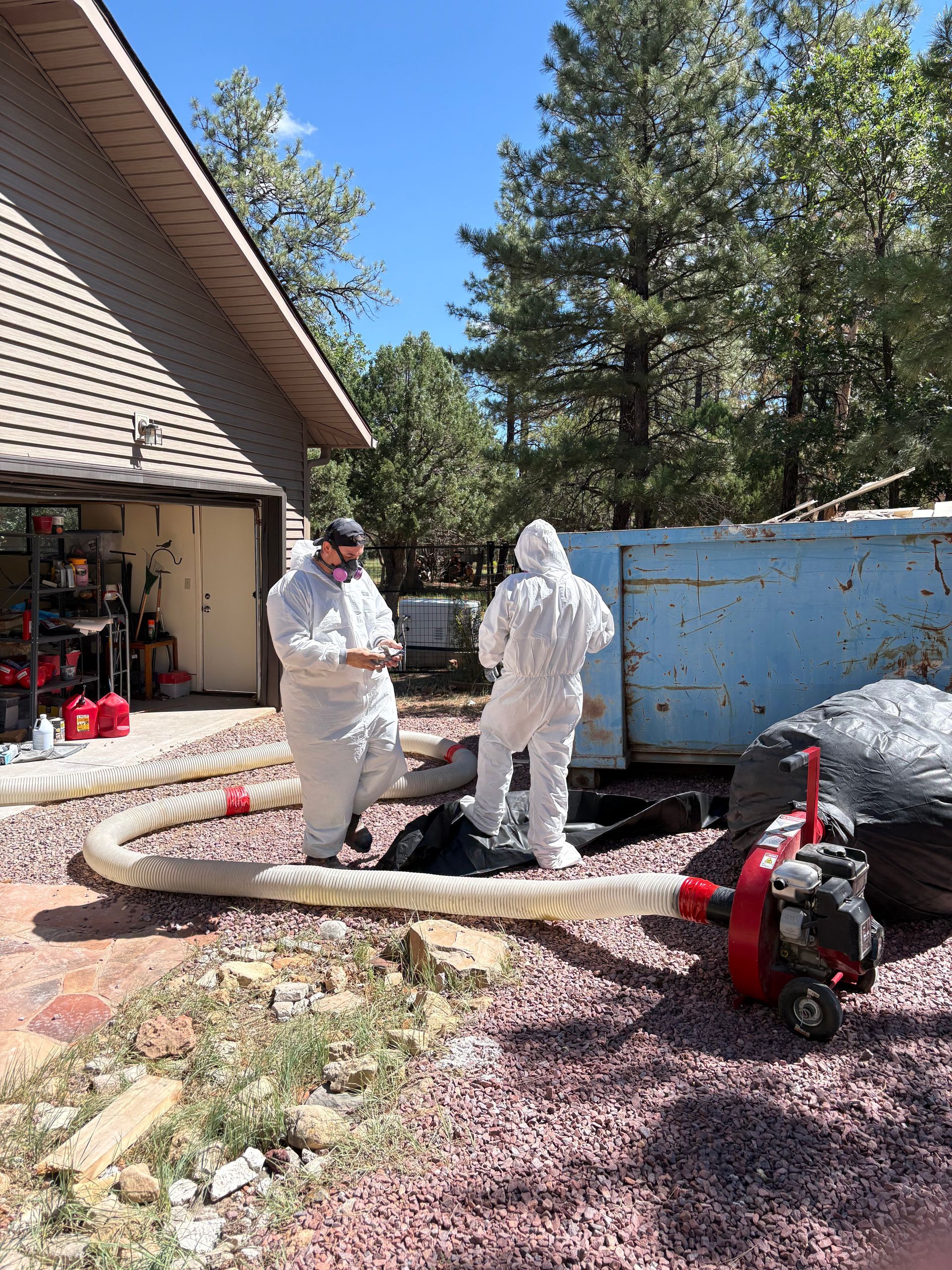
Two workers in white protective suits inspect a red hose near a blue dumpster beside a garage.
October 12, 2026
Learn which belongings may be saved after a house fire, what should be discarded, and how contents restoration can help Northern Arizona homeowners now.
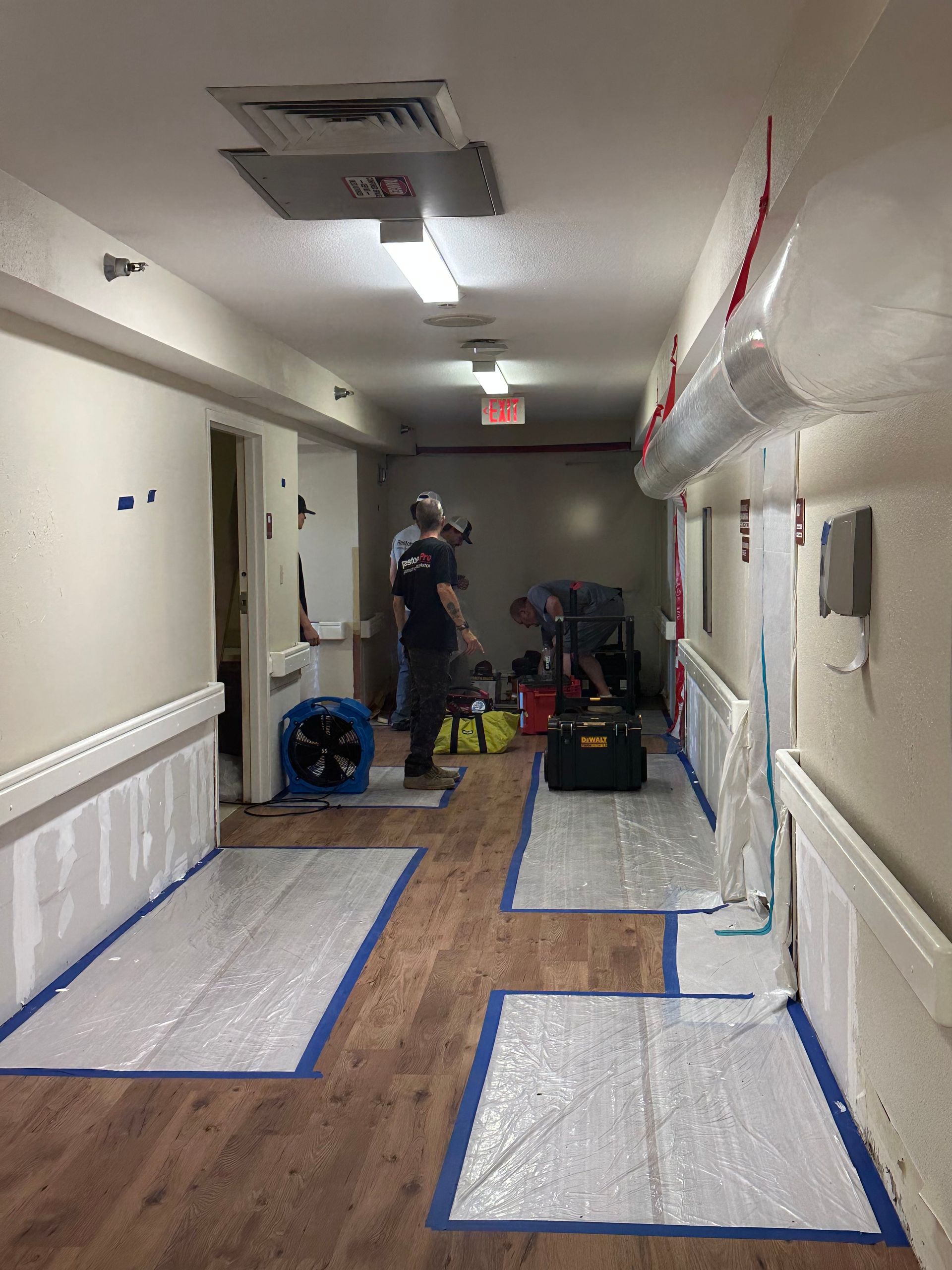
Hallway with floor-covered protection, cleaning equipment, and a worker standing near supplies.
October 5, 2026
Learn seven signs fireplace smoke has left soot, hidden odors, or HVAC contamination in your Arizona home and when professional cleanup may be needed.
Large tan cabinet or panel being moved on a dolly in a doorway, with a blue cord on the floor.
September 28, 2026
Learn how freezing temperatures turn small pipe weaknesses into major water damage, what to do first, and when Show Low homes need emergency restoration.
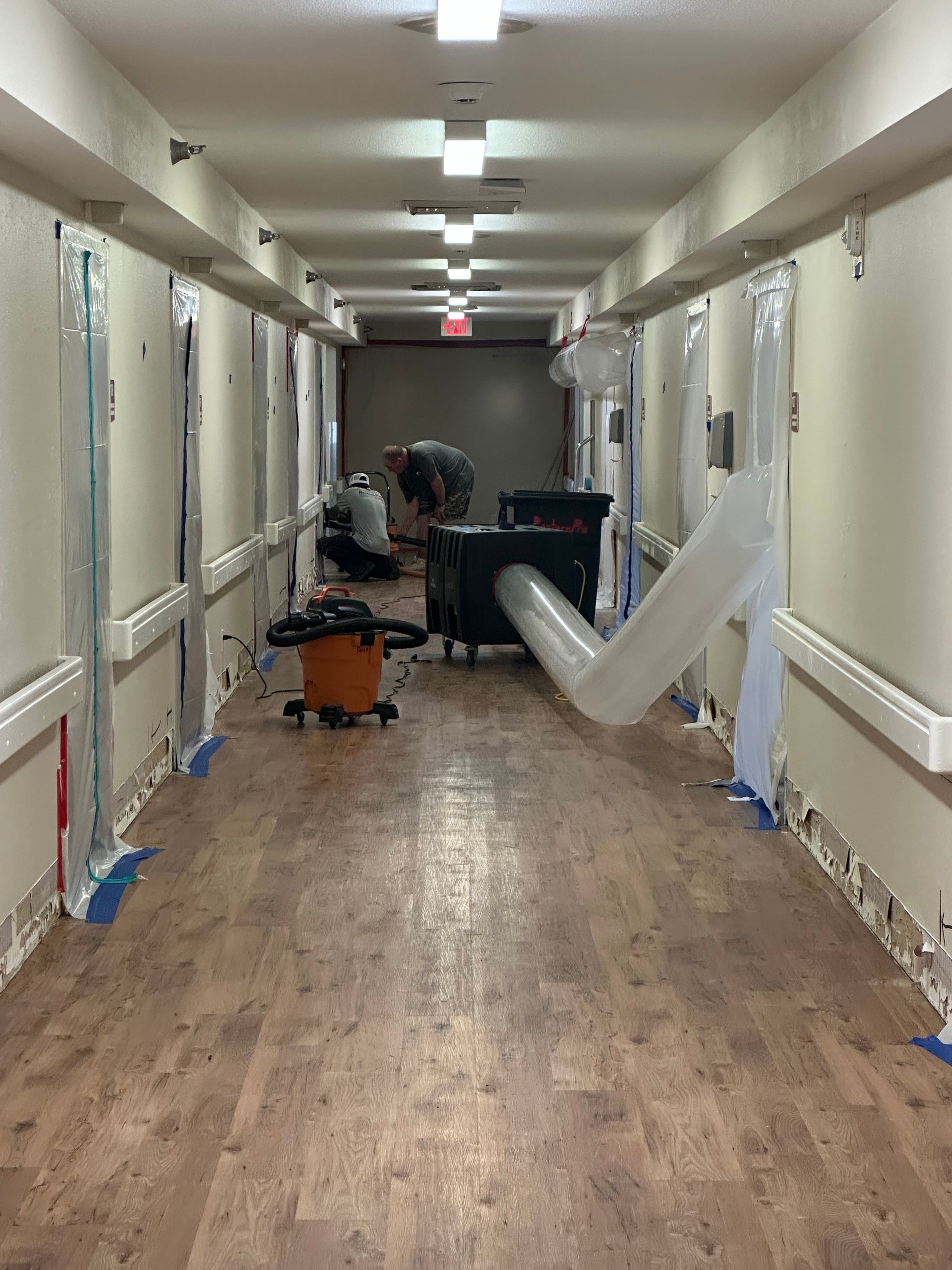
Long hallway under renovation, with covered walls, tools, and debris on the floor.
September 21, 2026
Compare water damage restoration vs mold remediation for Payson homes. Learn about hidden moisture, drying, mold signs, costs, and post-monsoon next steps.
RestorePro construction sign beside trees and a truck at a roadside location
September 14, 2026
Learn 7 signs wildfire smoke caused hidden damage inside your Show Low home, when smoke odor and soot need restoration, and what cleanup may cost in 2026.
Person in white protective suit sprays foam sealant along a ceiling seam in an unfinished room
September 7, 2026
Learn when wet drywall can be dried after a Payson monsoon storm, when replacement is safer, how structural drying works, and what repairs may cost now.
Pile of broken white and gray roof tiles with debris scattered across the surface
August 31, 2026
Compare asbestos abatement vs standard demolition in Payson AZ before remodeling, including testing, Arizona rules, costs, permits, and safe next steps.
Person in white protective suit inspecting a moldy, empty room with stained walls and bare floor.
August 24, 2026
Discover 4 hidden places mold can grow after Snowflake monsoon storms, what warning signs to watch for, and when professional remediation makes sense.
Damaged single-story house with a collapsed roof, red door, and debris in a driveway under cloudy skies
August 17, 2026
Monsoon flash flooding can leave hidden structural damage behind. Learn what Show Low homeowners should inspect, dry, document, and repair.
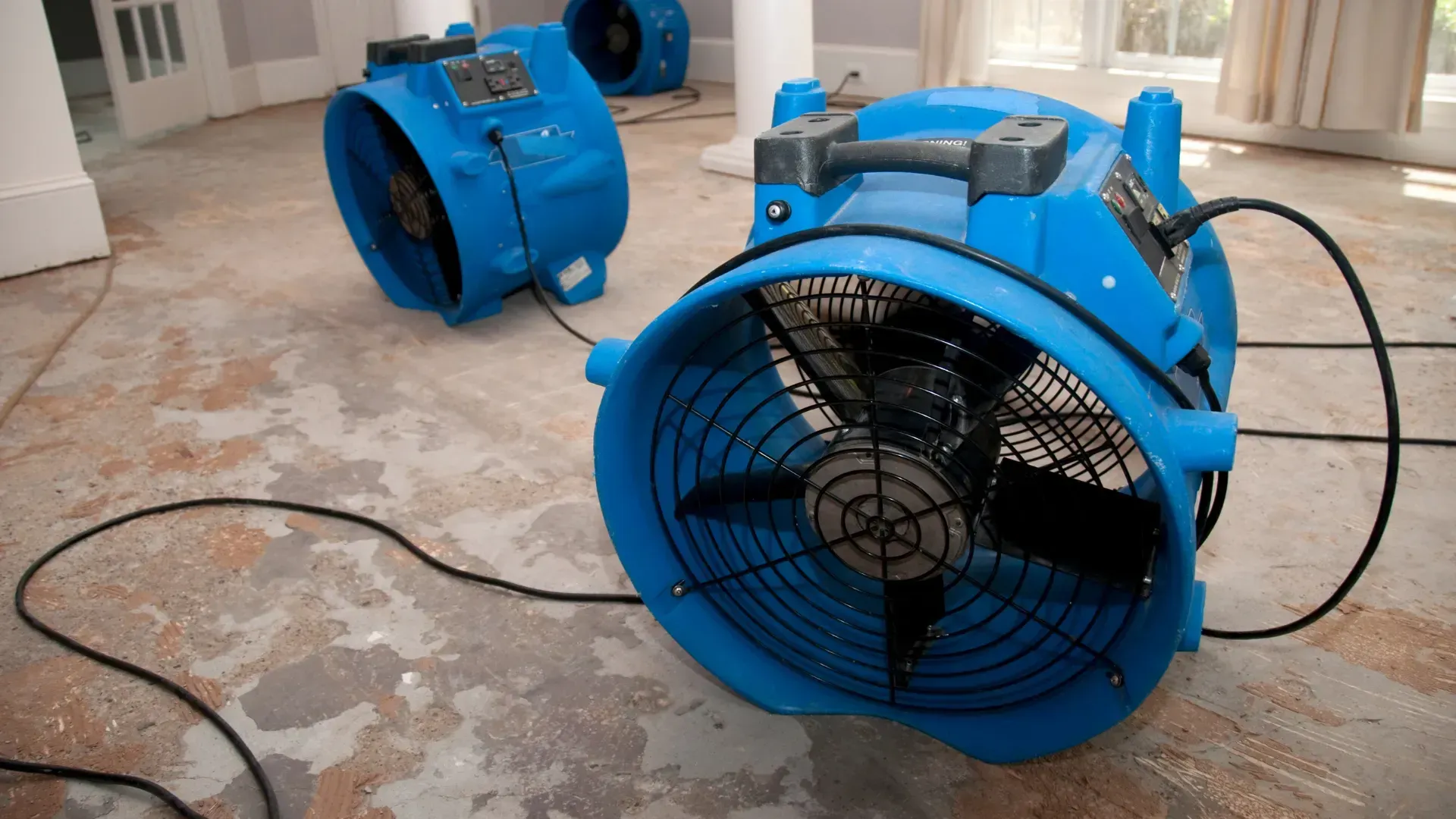
Two blue industrial air movers on a carpeted floor, one facing forward with a visible fan.
August 10, 2026
DIY water cleanup can miss hidden moisture and mold risk. Restore Pro explains which situations need professional water damage restoration in Winslow AZ.
Show More

Is Your Property Damaged Right Now? Do Not Wait.

Every hour without professional mitigation means more structural damage and higher repair costs. Whether you are dealing with standing water, fire residue, or visible mold growth, the fastest decision you can make is calling a team that is already on the way. RestorePro has certified crews on call across Payson, Show Low, Snowflake, and Winslow, ready to respond within 30 minutes of your call.