Can You Stay in Your Home During Water Damage Restoration?
What Snowflake Homeowners Should Check Before Monsoon Season Ends
For estimated 2026 market context, Angi's July 2026 asbestos testing data puts professional testing at about $231 to $776, with an average around $483. Angi's asbestos testing cost guide notes that home size, number of samples, access, and laboratory analysis affect the final cost.
For removal, Angi's
August 1, 2026 cost update reports approximately
$1,215 to $3,283 for many indoor abatement projects, with an overall average around
$2,248 and a broader range that can extend from several hundred dollars to more than $6,000 depending on the project. Angi's 2026 asbestos removal guide also gives an estimated
$5 to $20 per square foot for many interior removal situations. Use these figures as early budgeting context until the actual material, area, access, and containment scope are known.
Estimated 2026 Market Context
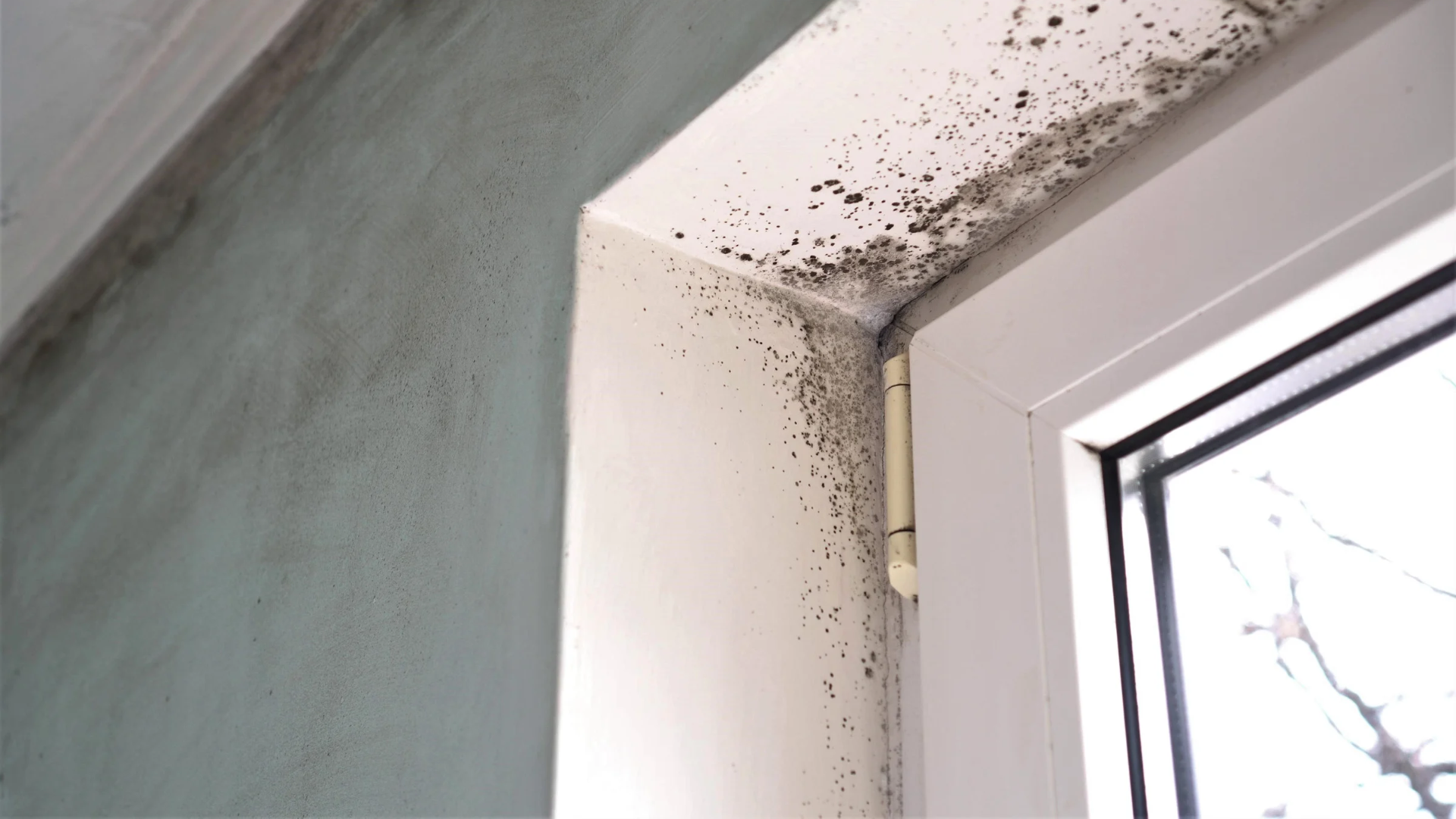
Choose the next step according to recurrence, extent, material damage, and the likely moisture source. Condensation control and remediation answer related but different questions. Both need consideration when visible growth and continuing wetness occur together.
- Fresh condensation without visible growth: Dry the surface safely, review moisture sources, and monitor conditions.
- A small accessible hard-surface patch: Review EPA cleanup guidance and personal health considerations before attempting cleanup.
- Repeated growth or persistent dampness: Arrange assessment of the source and adjacent materials.
- Soft drywall, swollen trim, or a broader odor: Investigate concealed moisture and the repair scope before refinishing.
- Wetting linked to rain or snowmelt: Evaluate possible exterior entry instead of treating humidity as the only cause.
- Large, complex, or higher-risk conditions: Request professional remediation planning and appropriate health advice.
For example, droplets across several bedroom windows after a cold night justify reviewing indoor moisture and drying conditions. One stained upper corner that becomes wet after storms suggests a different investigation. Neither pattern should automatically lead to replacing all windows or treating the entire home.
The same process applies in Show Low, Payson, Heber, Winslow, and Snowflake, although exposure and building conditions vary. Window design, room use, ventilation, heating patterns, and prior leaks influence the recommendation.
Recurring mold is a reason to investigate the conditions that keep the area damp, rather than an automatic conclusion about the age or quality of the home.
You may be able to stay home during a limited water damage restoration project, but only when the assessed conditions support it. The water source, contamination, electrical and structural hazards, work area, and your household's needs all affect that decision. A small clean-water incident does not automatically make the home safe to occupy. Similarly, running drying equipment does not automatically mean everyone must move out.
At RestorePro, we help homeowners in Show Low and Payson understand the affected areas and restoration scope before making practical arrangements. We also serve Heber, Winslow, and Snowflake throughout Northern Arizona. The decision should account for both immediate hazards and how daily life will work while the property is being restored. Here is what to discuss before deciding where your household will stay.
What Determines Whether You Can Remain at Home?
Start with the condition of the property, not the convenience of staying. A restoration assessment considers where water traveled, which materials were affected, and what work must happen next. An apparently dry room may still depend on access, utilities, or building systems that pass through the work area. The household needs a usable living area that can remain appropriately separated from the damage and restoration activity.
Ask what is known, which conditions still require investigation, and whether other qualified professionals must evaluate particular hazards. Electrical safety, structural concerns, and individual medical needs can fall outside an ordinary restoration assessment. We explain our findings and work restrictions while identifying where additional evaluation is needed. No one should treat a quick visual check or an absence of odor as proof that the entire home is safe.
Which Conditions Make Staying Unsafe or Impractical?
Sewage, potentially contaminated floodwater, damaged electrical systems, structural instability, and substantial mold concerns can make occupancy inappropriate. The CDC's flooded-home safety guidance warns about contamination and hazards when reentering damaged properties. Do not enter standing water or approach electrical equipment to judge the situation yourself. If there is an immediate threat to life or safety, leave the affected area and seek emergency assistance.
There are also situations where an unaffected sleeping area exists but the home cannot function reasonably during the work. The only bathroom may be unavailable, a necessary exit may pass through the work zone, or essential heating may be unusable. These conditions deserve discussion even when the damage looks limited. Staying is a practical option only when the safety assessment and the household's essential needs both support it.
| Condition to discuss | Why it matters for occupancy | What needs to be established |
|---|---|---|
| Sewage or uncertain water contamination | Contact and exposure may be hazardous | Appropriate cleanup scope and access restrictions |
| Wet or damaged electrical components | Shock and fire hazards may be present | Evaluation by the appropriate qualified professional |
| Damaged ceilings, flooring, or framing | Safe access and structural reliability may be affected | Whether affected areas can be entered or occupied |
| Mold or affected HVAC | Exposure may extend beyond the visible damage | Remediation needs and building-system restrictions |
| Unavailable bathroom, kitchen, heat, or exits | Daily living may become impractical | Whether essential facilities remain safely usable |
| Children, pets, or vulnerable occupants | Restrictions and exposure concerns may be harder to manage | A realistic plan that suits the household |
Why Does the Water Source Matter?
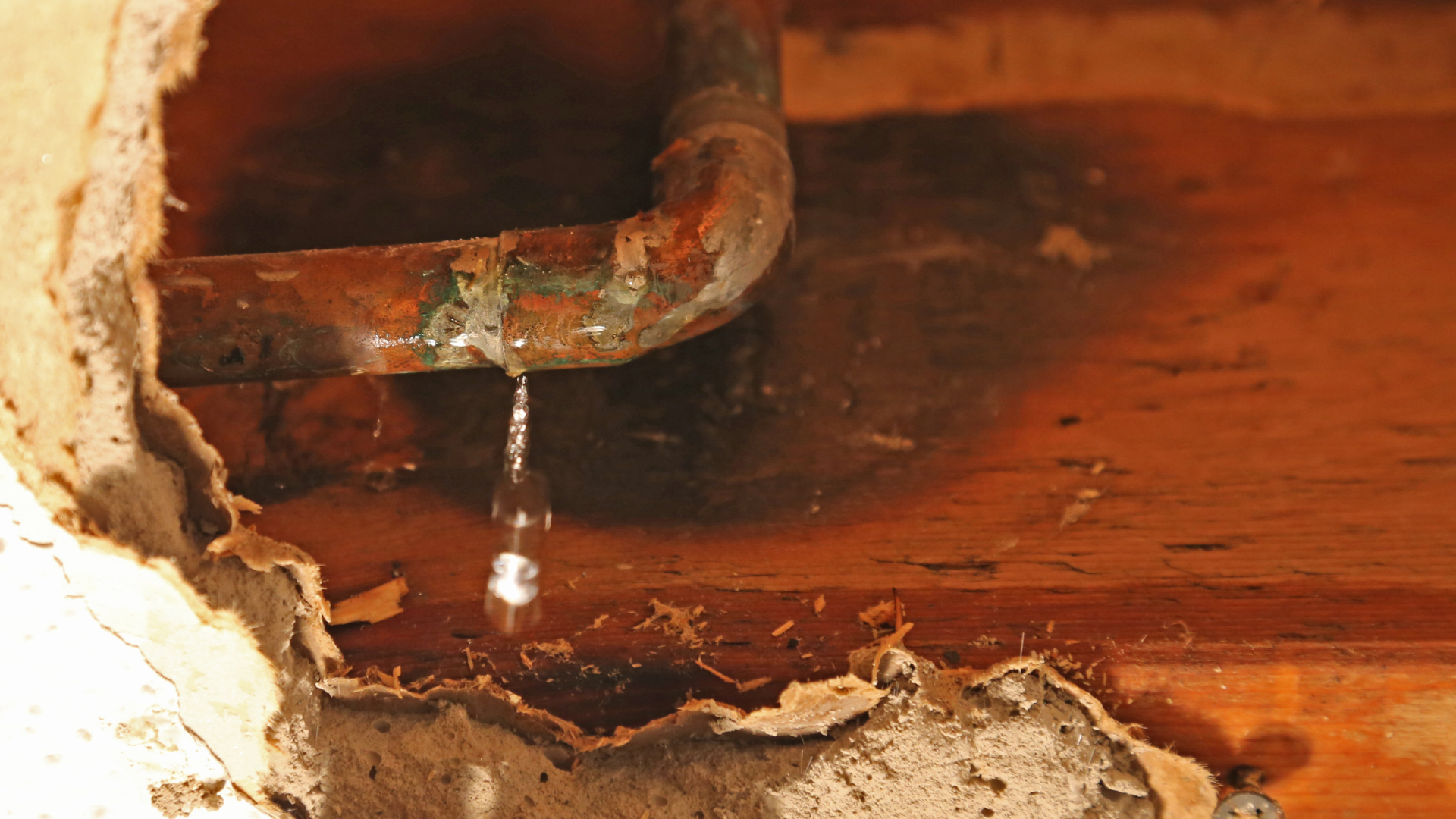
Water from a plumbing supply leak and water containing sewage do not create the same cleanup problem. The affected materials, exposure history, and conditions after the event also influence how the work should be approached. A homeowner cannot reliably classify water simply because it looks clear. Let the restoration team assess the event rather than assuming a familiar source guarantees a simple project.
The EPA's flood-cleanup guidance explains that floodwater can carry bacteria, chemicals, and other hazards. It also distinguishes widespread flood damage from many smaller pipe-leak or rain-intrusion events. That distinction helps define the work, but it does not give blanket permission to occupy every home with a pipe leak. Our water damage restoration services begin with assessing the affected property and planning appropriate extraction, drying, and restoration.
What If Someone in the Home Has Asthma or Other Health Concerns?
Tell the restoration team about household needs before assuming that a closed door is enough protection. The CDC's guidance on mold and respiratory health advises people with asthma, COPD, or weakened immune systems to stay away from moldy spaces. These occupants should not remain in a moldy home while cleanup is taking place. Individual medical advice should come from the person's healthcare professional.
A plan that works for one household may therefore be unsuitable for another. Children and pets also need a practical way to stay out of work areas without constant exposure to hoses, equipment, and restricted rooms. Explain mobility limitations, medical equipment needs, and difficulty using alternate sleeping or bathroom arrangements. Those details can change the relocation discussion even if the physical damage has not changed.
How Are Affected Rooms Separated From Living Areas?
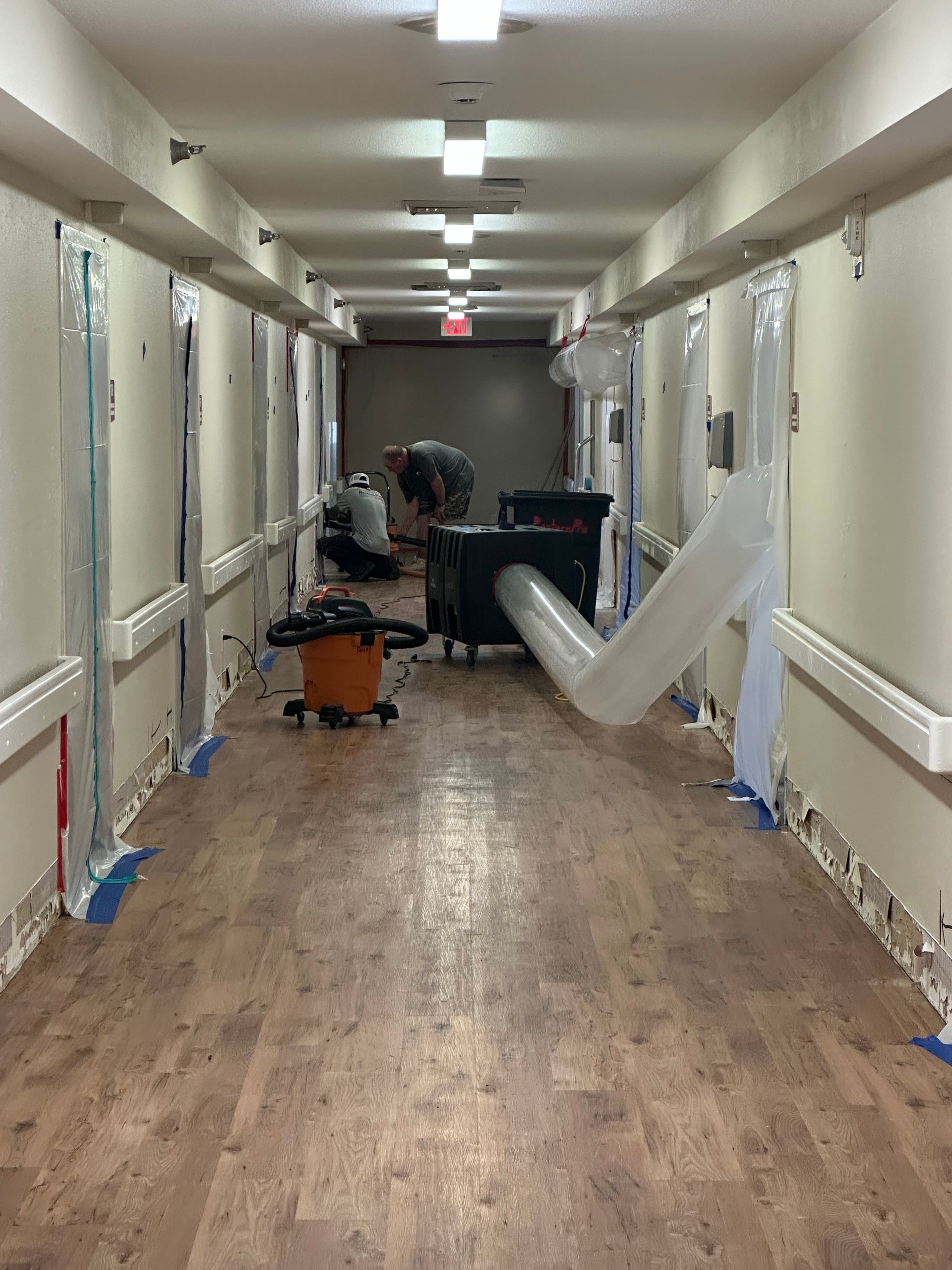
The restoration plan may involve restricting entry, isolating affected areas, extracting water, and removing materials that cannot appropriately remain. Equipment placement and any containment depend on the actual damage and work being performed. A barrier is a work control, not a universal guarantee that the adjacent room is safe. Ask which areas you may use and whether those permissions could change as hidden damage is uncovered.
Stay outside restricted areas and do not move barriers to retrieve belongings without speaking with the crew. If HVAC involvement is suspected, ask how that affects the work plan instead of changing system settings yourself. Our article on water damage restoration versus mold remediation explains why drying and mold-focused work address related but different needs. Some properties need both, which can affect whether the home remains occupied during the project.
Can You Stay While Structural Drying Equipment Runs?
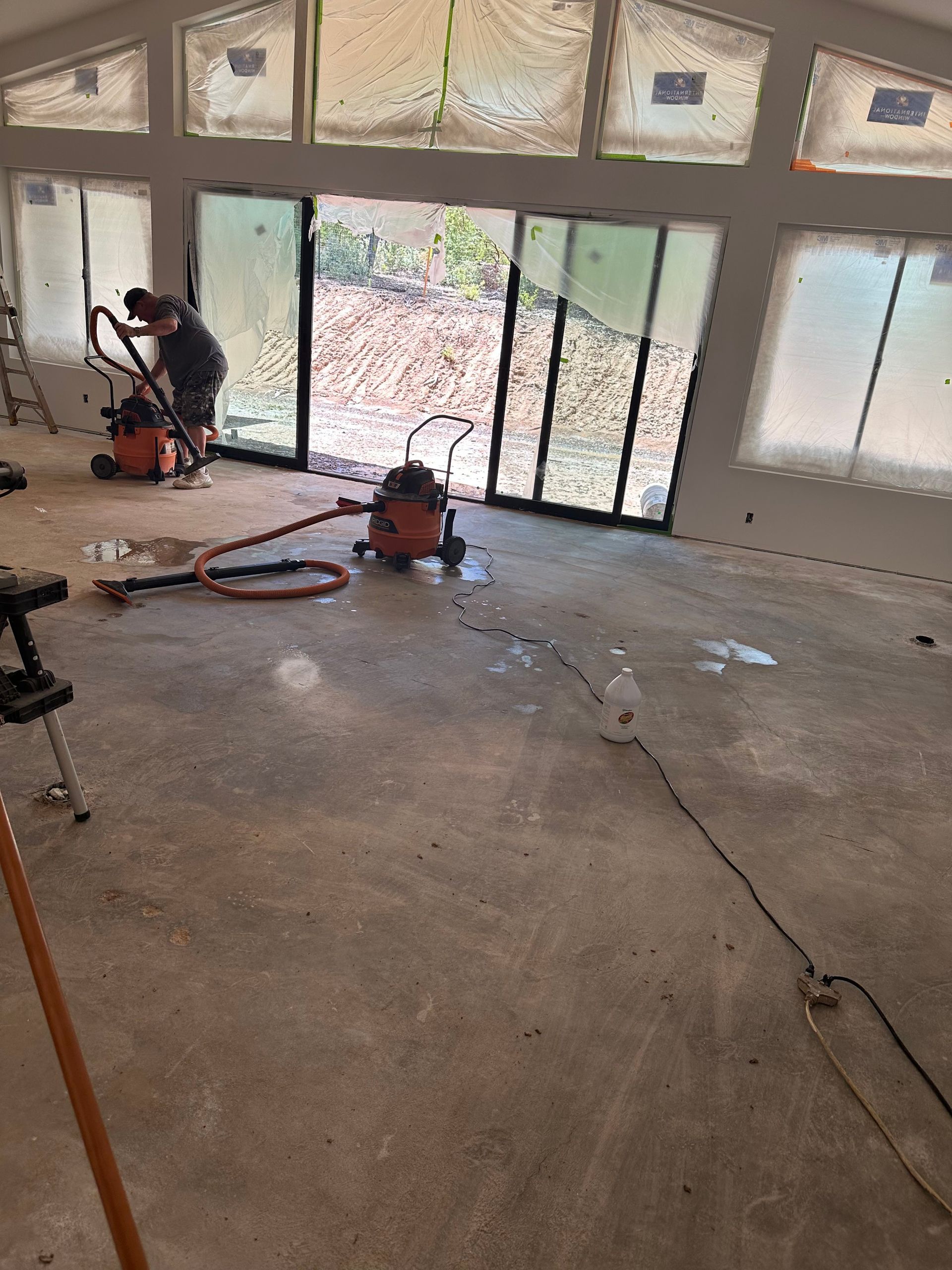
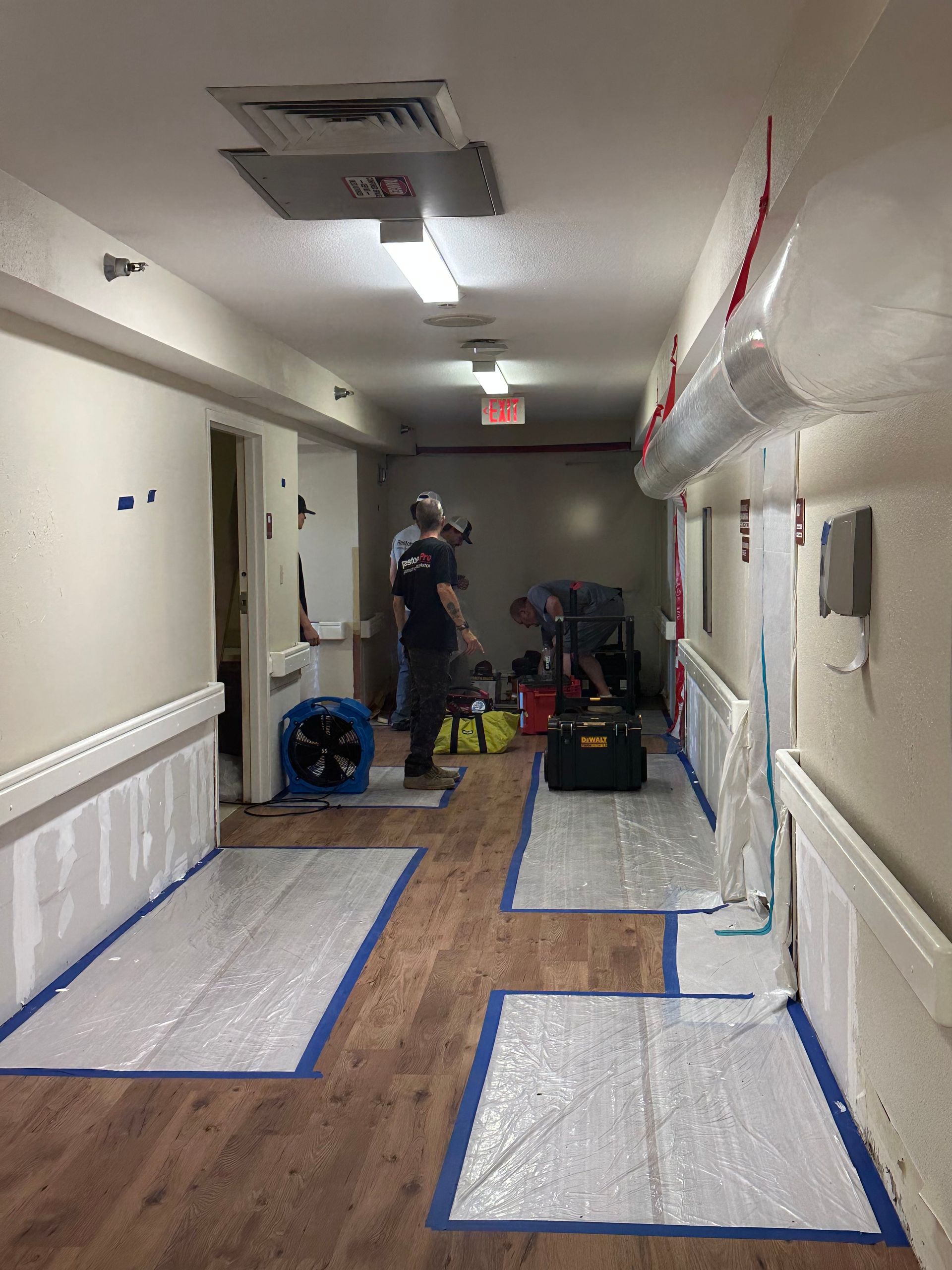
Sometimes a household can remain in assessed, unaffected rooms while professional drying continues elsewhere. However, equipment noise, heat, airflow, cord routes, and restricted access can make daily routines difficult. A room being actively dried should not be treated as an ordinary bedroom simply because the floor no longer looks wet. Ask where sleeping, working, and walking are permitted under the project plan.
Do not unplug, reposition, or change drying equipment to make a room quieter or cooler without consulting the team. Report discomfort, equipment alarms, or access problems so the plan can be reviewed appropriately. Drying depends on monitored conditions, and casual changes can interfere with the intended process. If you cannot reasonably live with the required setup, discuss alternate accommodation instead of changing the restoration arrangement yourself.
Questions to settle before the first night
- Which rooms can we use, and which rooms must remain closed?
- Are the bathroom, kitchen, heating, and exits safely available?
- Does the work affect HVAC operation or any other essential system?
- Will equipment need to operate overnight, and where are the safe walking routes?
- Can children and pets reliably remain outside the restricted area?
- What change should prompt us to leave or call the project contact?
- When will the occupancy plan be reviewed as the work progresses?
Keep the project contact details accessible and make sure everyone in the household understands the same restrictions. If you rent the home, coordinate with the property owner or manager as well. A plan is useful only when the people living there can actually follow it.
Should You Stay, Relocate Temporarily, or Wait for Further Assessment?
Choose according to assessed conditions rather than the size of the visible puddle. Remaining in unaffected rooms may be possible when the relevant hazards have been evaluated, separation is appropriate, and essential facilities remain usable. Temporary relocation may be necessary when contamination, unsafe conditions, or the work itself prevents reasonable occupancy. If important questions remain unresolved, do not use that uncertainty as permission to stay in or reenter the affected area.
The decision should be revisited if the scope changes during restoration. Opening a wall or inspecting flooring can reveal damage that was not apparent during the first visit. Our guide to whether wet carpet can be saved explains one material-specific question that can influence access and removal work. A homeowner does not need to predict those findings, but should understand how the team will communicate changes.
| Decision | Conditions that may support it | Required follow-through |
|---|---|---|
| Stay in unaffected areas | Appropriate assessment supports occupancy, separation is workable, and essential facilities remain usable | Follow restrictions and review the plan as work progresses |
| Relocate temporarily | Hazards, contamination, demolition, or lost facilities make occupancy unsuitable | Arrange safe accommodation and discuss documentation with the insurer |
| Obtain additional evaluation | Electrical, structural, HVAC, or health questions remain unresolved | Seek the relevant qualified assessment before relying on the area |
| Reconsider an existing stay-home plan | The work expands or new damage changes the original assumptions | Update access and accommodation arrangements promptly |
| Resume normal use | Required work and safety checks are complete for the area being released | Confirm the release conditions rather than relying on appearance |
Will Insurance Pay for Temporary Housing?
Additional living expense coverage may help with eligible extra costs when covered damage prevents you from living at home. The National Association of Insurance Commissioners explains ALE as expenses above normal living costs, subject to the policy and claim circumstances. That does not mean every water event, hotel booking, or meal is covered. Ask your insurer what applies to this loss before assuming reimbursement.
Discuss accommodation approval, spending limits, time limits, receipts, and how normal household expenses are treated. Do not delay leaving an unsafe environment while waiting for a coverage decision. Our guide to property damage insurance claims provides related preparation context for homeowners. We can document restoration findings and scope, while coverage decisions remain with the insurer under your policy.
What Could Restoration and Temporary Living Arrangements Cost?
We prepare restoration estimates around the affected materials, contamination, access, drying requirements, and repair scope. For broad budgeting context, HomeGuide's water damage restoration guide reports a national average range of 2,000–6,000. That range is not a quote for your home and does not establish the price of temporary lodging. Our estimate should explain the actual work proposed and identify items that are separate or still subject to assessment.
A limited drying project can differ considerably from work involving contaminated materials, demolition, contents handling, and reconstruction. Temporary accommodation adds another budget question, with costs depending on location, household size, duration, and available arrangements. Keep restoration estimates and lodging costs distinct when reviewing the plan or discussing insurance. Ask how additional findings, extended drying, or a changed repair scope would be documented and authorized.
| Budget item | Pricing basis | What to clarify |
|---|---|---|
| General water damage restoration | 2,000–6,000 national average range reported by HomeGuide | Broad context only; the inspected scope determines our estimate |
| Extraction and structural drying | Project-specific restoration scope | Affected areas, equipment, monitoring, and completion criteria |
| Material removal and repairs | Based on confirmed damage and agreed work | Whether demolition, contents work, and reconstruction are included |
| Temporary lodging | Accommodation provider's actual charges | Expected duration, household needs, deposits, and extra costs |
| Insurance reimbursement | Policy-specific determination | Eligibility, approvals, limits, receipts, and claim requirements |
When Can You Use the Home Normally Again?
Return to normal use should follow completion of the relevant work and release of the affected areas. The moisture source needs to be controlled, identified hazards addressed, necessary cleanup completed, and drying verified through appropriate measurements. A surface that feels dry is not enough to establish the condition of concealed materials. Ask what remains restricted and whether repairs or other professional checks are still pending.
Normal occupancy and final cosmetic completion do not always happen at the same point in a project. Some safe areas may be released while other rooms remain under restoration, depending on the assessed conditions. Get clear instructions about the specific areas you may use rather than assuming equipment removal releases the whole house. Keep the project records and report new wetness, odors, or other changes after the area is returned to use.
Frequently Asked Questions
Is it safe to stay home after a small clean-water leak?
It may be possible, but clean water and limited visible damage do not automatically establish safety. Electrical concerns, concealed wet materials, work access, and household needs still matter. RestorePro can assess the restoration scope and explain when additional qualified evaluation is needed.
Can we sleep in a room where drying equipment is running?
Do not assume an active drying area is suitable for sleeping. Ask the restoration team which spaces can be occupied and how the equipment affects access and room use. If a suitable sleeping area is unavailable, discuss temporary accommodation.
Should someone with asthma stay during mold cleanup?
CDC guidance advises people with asthma, COPD, or weakened immune systems to stay away from moldy spaces. They should not remain in a moldy home during cleanup. Ask their healthcare professional about individual health concerns as well.
Can we turn off the air movers at night?
Do not switch off or move restoration equipment without consulting the team. Report noise, heat, alarms, or other problems so the setup and living arrangements can be reviewed. A temporary housing discussion is more appropriate than changing the drying plan yourself.
Does homeowners insurance always cover a hotel during restoration?
No. Temporary housing benefits depend on the policy, whether the event is covered, and the circumstances that prevent occupancy. Contact the insurer about eligibility, approvals, limits, and receipts, without postponing an urgent safety decision.
How can RestorePro help us decide what to do next?
We assess affected materials and restoration needs, explain work-area restrictions, and coordinate the next restoration steps. We serve Show Low, Payson, Heber, Winslow, and Snowflake. Contact RestorePro to discuss the damage and your household's practical needs while the appropriate assessments are arranged.
Plan Your Restoration Around Safety and Daily Needs
If water damage has disrupted your home, we can help explain the restoration work and the restrictions it may require. Tell us which rooms are affected, whether essential facilities remain available, and who lives in the household. We work with homeowners in Show Low and Payson, with service across Heber, Winslow, and Snowflake. Our goal is a clear restoration plan that helps you make informed arrangements.
Staying home should depend on the assessed conditions rather than pressure to avoid inconvenience or lodging costs. We explain the work scope, communicate relevant changes, and identify when other qualified professionals need to be involved. Ask about access, equipment, monitoring, and the conditions for using each area again. Contact RestorePro to arrange water damage assessment and discuss the next steps for your Northern Arizona home.
Helpful Services and Related Reading
Recent Posts
RESTOREPRO
Is Your Property Damaged Right Now? Do Not Wait.
Every hour without professional mitigation means more structural damage and higher repair costs. Whether you are dealing with standing water, fire residue, or visible mold growth, the fastest decision you can make is calling a team that is already on the way. RestorePro has certified crews on call across Payson, Show Low, Snowflake, and Winslow, ready to respond within 30 minutes of your call.