7 Signs Fireplace Smoke Has Left Soot Damage Inside Your Home
What Snowflake Homeowners Should Check Before Monsoon Season Ends
For estimated 2026 market context, Angi's July 2026 asbestos testing data puts professional testing at about $231 to $776, with an average around $483. Angi's asbestos testing cost guide notes that home size, number of samples, access, and laboratory analysis affect the final cost.
For removal, Angi's
August 1, 2026 cost update reports approximately
$1,215 to $3,283 for many indoor abatement projects, with an overall average around
$2,248 and a broader range that can extend from several hundred dollars to more than $6,000 depending on the project. Angi's 2026 asbestos removal guide also gives an estimated
$5 to $20 per square foot for many interior removal situations. Use these figures as early budgeting context until the actual material, area, access, and containment scope are known.
Cooler northern Arizona evenings bring fireplaces and wood-burning systems back into regular use. A smoky startup, blocked flue, drafting problem, or chimney incident can send residue beyond the hearth without major structural burning. Fireplace smoke damage may appear as a black mark or settle in rooms, HVAC components, attics, fabrics, and porous materials. Knowing what to check helps homeowners document the scope before spreading soot.
This guide applies after the fire is out and a home in Payson, Show Low, Heber, Winslow, or Snowflake is safe to enter. If flames, active smoke, sparks, gas odor, breathing difficulty, or another danger is present, leave and call emergency services. Do not use a malfunctioning fireplace again until the source is evaluated. Once safe, these seven signs can help distinguish limited cleaning from possible
smoke damage restoration.
Why Fireplace Soot Can Spread Beyond the Hearth
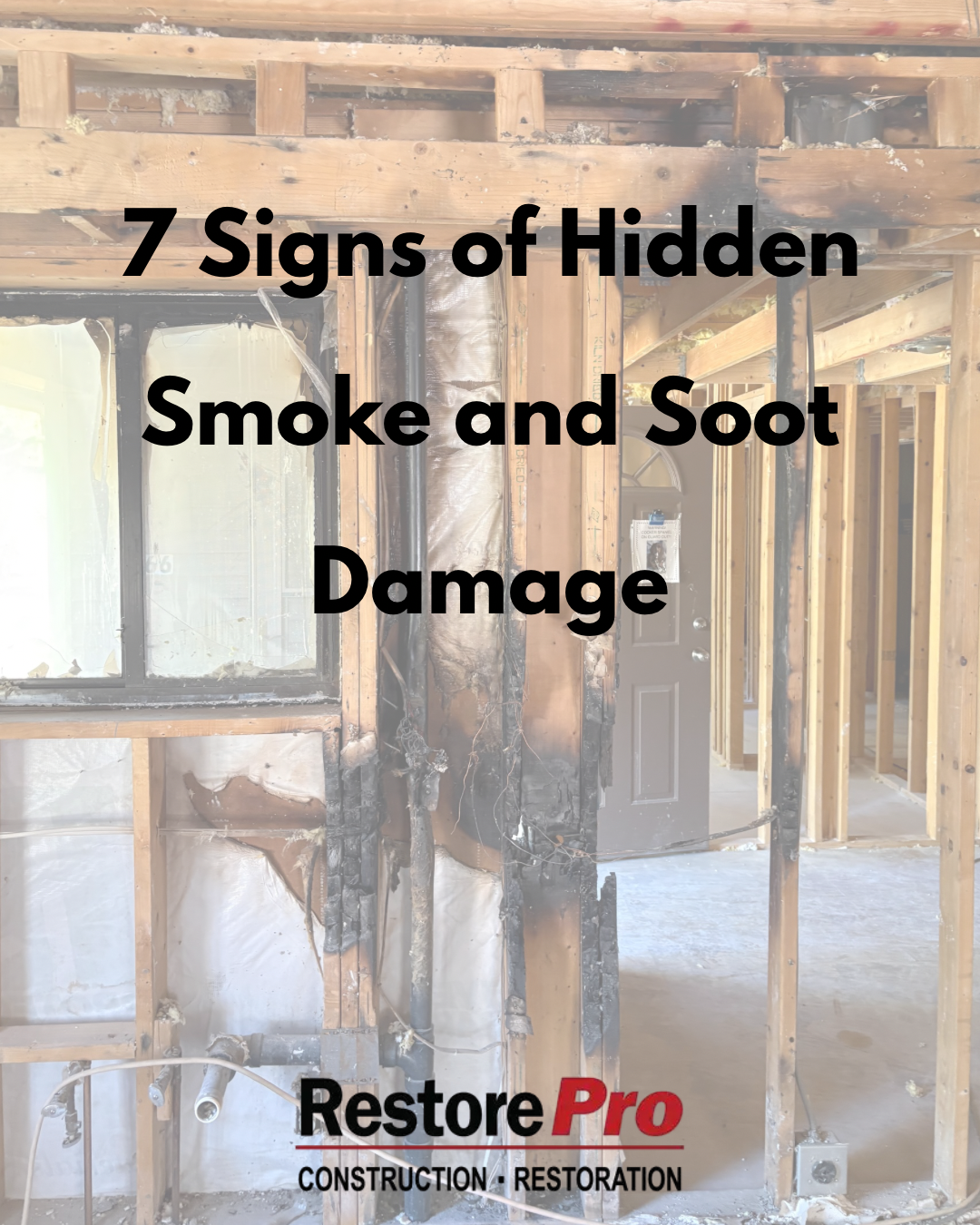
Smoke follows airflow, pressure differences, doorways, gaps, return vents, and warm paths into upper areas. Fine residue may land on cool walls, collect around registers, or enter fabrics and insulation. RestorePro’s fire and smoke restoration service in Payson addresses soot and odor in ductwork, attics, connected rooms, and porous finishes. The mark nearest the fireplace may represent only part of the affected area.
The ANSI/IICRC S700 professional fire and smoke restoration standard covers assessing residue and odor boundaries across buildings, HVAC, and contents. This approach matters because cleaning one wall cannot address a contaminated return path or absorbed odor. A first inspection begins at the source, then moves outward without touching suspected soot. The table summarizes seven signs that smoke traveled farther than expected.
| Possible sign | What you may notice | What it may indicate |
|---|---|---|
| Wall or ceiling staining | Gray shadows, black streaks, dots, or uneven discoloration | Airborne soot deposited on cooler or high-airflow surfaces |
| Persistent smoke odor | Smell remains after the room airs out | Odor compounds may be held in porous materials or hidden spaces |
| Residue around vents | Dark register edges, dirty filter, or soot near returns | Smoke may have entered or moved through the HVAC system |
| Oily dust in other rooms | Fine dark film on cabinets, glass, or furnishings | Residue traveled beyond the fireplace room |
| Finish or metal changes | Yellowing, dullness, staining, or early corrosion | Residue may be reacting with affected surfaces |
| Attic or insulation odor | Smoke smell or residue above the living area | Heated smoke may have migrated upward through openings |
| Odor that returns | Smell becomes stronger when heating starts or conditions change | A remaining source may be releasing odor back into the air |
1. Gray Shadows, Black Streaks, or Soot on Walls
Visible soot on walls often appears above the fireplace, at ceiling lines, in corners, behind frames, and near air paths. Residue may look black, gray, brown, or yellowish depending on the fuel and materials. A faint shadow pattern can matter more than one spot because it shows particle distribution. Use side lighting and compare nearby rooms before assuming a mark is dust.
Check Before You Wipe
The American Red Cross warns that soot smears easily and can leave oily black stains. Before cleaning, photograph:
- The wall or ceiling from a distance
- The darkest deposit and its boundaries
- Nearby vents, doors, or openings
- Clean comparison areas on the same surface
- Furnishings or contents below the stain
- The fireplace opening, surround, and visible smoke path
Do not test several cleaners because water, pressure, and incompatible chemicals can set residue or alter paint. Avoid ordinary vacuums and dusters that may recirculate particles. Even on washable material, the right method depends on the residue and finish. Widespread deposits, textured surfaces, unfinished wood, wallpaper, fabric, or repeated staining justify a professional soot damage cleanup assessment.
2. A Smoke Smell That Remains After Airing Out
A temporary odor during the first fireplace use can have several causes, but a smoke smell in the house that remains after the fire is out deserves attention. Smell may be strongest near drywall, carpet, upholstery, cabinets, insulation, stored textiles, or unfinished framing because porous materials can absorb odor compounds. Walk through the home with the HVAC system off only if doing so is safe and note where the odor becomes stronger or weaker. Record whether it appeared after one event, returns daily, or becomes noticeable when doors and closets are opened.
Air freshener, candles, fragrance, and surface sprays may cover the smell without removing its source. Persistent odor in a Payson cabin, a Show Low home, or a Heber property with wood-heavy finishes can involve multiple materials even when surfaces look clean. RestorePro’s northern Arizona fire and smoke service evaluates odor sources along with visible residue instead of treating fragrance as proof of cleanliness. If anyone experiences breathing difficulty or other symptoms, leave the affected area and seek appropriate medical guidance rather than continuing a cleanup test.
3. Dark Residue Around Vents or a Rapidly Dirty Filter
Registers, return grilles, filter housings, and nearby walls can show whether smoke moved with airflow. Look for dark edges, airflow streaks, an unusually loaded filter, or odor when the fan starts. One dirty register does not prove full duct contamination, but several affected openings suggest wider distribution. Do not disassemble equipment or run the system merely to spread-test odor.
HVAC Clues Worth Documenting
Before replacing a filter or cleaning a register, record:
- Which supply and return openings show residue
- Whether the HVAC system ran during the smoke event
- The condition and installation date of the current filter
- Odor changes when the blower operates
- Residue inside the accessible register opening
- Rooms that smell smoky despite being far from the fireplace
The IICRC S700 standard includes HVAC within fire-residue and odor assessments. EPA guidance explains that filtration and portable air cleaners can improve indoor air quality, but they do not clean residue attached to surfaces or hidden in materials. Assessment should determine whether filters, registers, components, or ductwork were affected. RestorePro can include HVAC conditions in the restoration scope instead of assuming a filter change solves everything.
4. Fine, Oily Dust on Cabinets, Glass, or Furnishings
Fireplace residue can settle far from the source as a film resembling household dust. Check cabinet tops, glass, shelves, electronics, décor, and seldom-touched furnishings. Soot may smear when disturbed, so avoid rubbing a large test area. Photograph the film and compare it with a protected surface beneath an object.
Cleaning method matters because glass, wood, stone, metal, textiles, and electronics respond differently. A damp cloth may drive residue into unfinished wood or fabric. Contents may need cleaning in place, specialized treatment, or replacement when restoration is impractical. RestorePro provides content cleaning, deodorization, and documentation when personal property is affected.
5. Yellowing, Dull Finishes, or Changes on Metal Surfaces
Smoke and soot do not always remain as loose black powder. Painted surfaces may yellow or lose uniformity, clear finishes can become dull, and residue may collect on metal fixtures, appliance surfaces, electronics, and hardware. Compare affected items with sheltered areas and pre-event photographs when available. New discoloration or tarnishing after a smoke event can indicate that residue remained long enough to interact with the surface.
Do not power on electronics that were exposed to significant soot, heat, or moisture simply to check whether they work. Avoid aggressive polishing because it can remove evidence, damage coatings, or spread residue into seams and openings. Restoration may require surface-specific cleaning, controlled handling, and documentation for an insurance claim. When the event involved an active fire or suppression, follow the American Red Cross guidance to stay out until authorities confirm that re-entry is safe.
Look for Two Hidden Signs Beyond Finished Rooms
Some smoke pathways are easy to miss because they are outside normal living areas or become noticeable only after conditions change. The final two signs help explain why odor can return after a homeowner has already cleaned the visible room.
- Upper-space evidence: Odor or residue appears in attic insulation, framing, or the fireplace chase.
- Condition-dependent odor: The smell returns when heating, airflow, temperature, or humidity changes.
6. Smoke Odor or Residue in the Attic and Insulation
Warm smoke rises through ceiling gaps, recessed fixtures, attic hatches, chases, and wall openings. In an accessible attic, look only from a safe platform for visible haze marks, darkened surfaces, or a localized odor near the fireplace chase. Do not walk on insulation, disturb suspected residue, or approach damaged wiring or chimney components.
Insulation and unfinished wood can hold odor even when the ceiling below appears clean. Homes in Snowflake, Show Low, and Payson may have attic layouts, vaulted ceilings, or wood-framed cavities that require inspection beyond the obvious room. A restoration scope may include cleaning accessible framing, removing unsalvageable porous material, or treating odor after the residue source is addressed.
7. Smoke Odor That Returns When Heating Starts
An odor that fades with open windows but returns when the furnace, fan, or fireplace operates suggests that a source remains. Temperature, airflow, and humidity can change how odor compounds are released from porous materials or moved through the building. Note which system was operating, which room smelled first, and how quickly the odor appeared.
Do not repeatedly run equipment to reproduce the problem if the fireplace or chimney has not been cleared for use. Turn off the suspected source when safe, ventilate only if outdoor conditions allow, and arrange evaluation.
Smoke odor removal should follow source identification and residue cleaning because deodorization alone may provide only temporary improvement.
Decide Whether Limited Cleaning or Restoration Makes Sense
The right response depends on more than how dark the nearest wall looks. Consider the source, fuel, duration, rooms affected, HVAC operation, surface types, contents, odor persistence, occupant needs, and whether heat or water caused additional damage. Use this sequence before cleanup:
- Confirm safety. Make sure the fire is out, utilities are safe, and authorities have cleared re-entry when applicable.
- Document first. Photograph rooms, contents, filters, vents, and visible residue before moving or cleaning items.
- Map the boundary. Start at the fireplace and note signs in adjoining rooms, upper spaces, closets, and HVAC pathways.
- Separate cleanable from uncertain materials. Hard surfaces, porous finishes, insulation, fabrics, and electronics may require different decisions.
- Choose the least disruptive complete solution. Limited cleaning may fit a small, confirmed area, while widespread or hidden residue needs professional scoping.
| Observed condition | Reasonable next step | What increases the scope |
|---|---|---|
| Small mark on a washable hearth surface | Document and use an appropriate surface method | Smearing, odor, or residue beyond the hearth |
| Light wall deposit in one room | Test a controlled professional cleaning method | Textured or porous finishes and expanding boundaries |
| Persistent odor with little visible soot | Inspect porous materials and hidden spaces | Odor in closets, attic, furnishings, or multiple rooms |
| Residue near several vents | Include HVAC assessment in the scope | System operated during the event or odor returns with airflow |
| Soot on contents in distant rooms | Map and document a broader affected area | Oily film, electronics, textiles, or widespread transfer |
| Heat, flame, water, or structural damage | Emergency restoration and safety assessment | Unsafe utilities, active moisture, or damaged building materials |
RestorePro currently offers a free quote for fire and smoke restoration, but pricing requires an inspection of the actual materials, affected boundaries, HVAC conditions, contents, and repairs. For independent market context, HomeGuide’s current 2026 smoke remediation cost guide reports the national ranges below. These figures are not RestorePro prices, guarantees, or project quotes. A fireplace incident limited to one cleanable room may differ substantially from a whole-home loss involving soot, odor, ducts, insulation, contents, or reconstruction.
Estimated 2026 Market Context
| Service or scope | Published market range | Common cost variables |
|---|---|---|
| RestorePro project quote | Free | Inspection findings, affected materials, and restoration scope |
| Individual room or small area | $400–$1,500 | Residue type, surfaces, contents, and odor intensity |
| HVAC smoke-remediation cleaning | $250–$1,200 | System size, affected components, access, and filter needs |
| Specialized ozone odor treatment | $300–$700 | Home size, preparation, severity, and required treatment time |
| Whole-house smoke remediation | $2,000–$12,000 | Square footage, contamination, porous materials, and repairs |
Frequently Asked Questions
Can fireplace smoke damage occur without visible flames outside the firebox?
Yes. A drafting problem, flue blockage, door opening, malfunction, or chimney issue can release smoke and soot into the home without a large structural fire. The response should still begin with source correction and documentation of where residue and odor traveled.
Is soot on walls safe to wipe with a wet cloth?
Not automatically. Soot can smear, react with water, or penetrate some finishes when rubbed. Photograph the mark first and identify the surface and residue before choosing a cleaning method.
Will opening windows remove a smoke smell in the house?
Ventilation may reduce airborne odor when outdoor conditions are safe, but it cannot remove residue absorbed into drywall, carpet, insulation, upholstery, wood, or ducts. Odor that returns after the windows close usually indicates that a source remains. Effective cleanup addresses residue before final deodorization.
Should I replace the HVAC filter after a fireplace smoke event?
A visibly loaded filter may need replacement, but the correct timing and filter specification depend on the system and assessment. Before discarding it, photograph its condition and installation information if an insurance claim or restoration inspection is possible. A new filter alone does not clean affected registers, components, or duct surfaces.
What should I document before soot damage cleanup begins?
Capture the condition without spreading residue:
- Wide photos of each affected room
- Close photos of soot patterns and surface changes
- Vent, register, and filter conditions
- Contents with visible film or odor
- The fireplace, hearth, and visible smoke path
- Dates, duration, and circumstances of the event
- Cleaning attempts already made
Organized documentation can help restoration planning and insurance communication.
When should I call for professional smoke damage restoration?
Call when soot extends beyond a small cleanable surface, odor persists, HVAC pathways appear affected, porous materials hold smoke, or contents need evaluation. Prompt help is also appropriate when the incident involved flame, heat, suppression water, structural damage, or uncertainty about safe occupancy. For an active emergency, call the nearest RestorePro office rather than using an online form.
Restore a Clean, Usable Home After Fireplace Smoke Damage
The seven signs of fireplace smoke damage show why the affected area may extend beyond the hearth. Wall staining, persistent odor, vent residue, oily dust, surface changes, attic contamination, and odor that returns with airflow each reveal a different smoke pathway. Documenting those patterns before cleanup helps prevent smearing, incomplete treatment, and repeated odor. It also gives a restoration team clearer evidence for deciding what can be cleaned, what needs specialized treatment, and what may require replacement.
RestorePro provides 24/7 fire and smoke response across Payson, Show Low, Snowflake, Winslow, Heber, and surrounding northern Arizona communities. We inspect the visible source and connected spaces, remove soot with surface-appropriate methods, address odor, evaluate affected contents and HVAC conditions, and complete necessary repairs through one accountable team. Learn more about our fire and smoke damage restoration services and our Payson restoration process. If you are dealing with an active property emergency or persistent smoke contamination, contact RestorePro for the nearest 24-hour response line.
Fire and Smoke Damage Restoration
Fire and Smoke Restoration in Payson
RestorePro Services in Show Low
Recent Posts


RESTOREPRO
Is Your Property Damaged Right Now? Do Not Wait.
Every hour without professional mitigation means more structural damage and higher repair costs. Whether you are dealing with standing water, fire residue, or visible mold growth, the fastest decision you can make is calling a team that is already on the way. RestorePro has certified crews on call across Payson, Show Low, Snowflake, and Winslow, ready to respond within 30 minutes of your call.