7 Holiday Cooking Mistakes That Can Lead to Fire and Smoke Damage
What Snowflake Homeowners Should Check Before Monsoon Season Ends
For estimated 2026 market context, Angi's July 2026 asbestos testing data puts professional testing at about $231 to $776, with an average around $483. Angi's asbestos testing cost guide notes that home size, number of samples, access, and laboratory analysis affect the final cost.
For removal, Angi's
August 1, 2026 cost update reports approximately
$1,215 to $3,283 for many indoor abatement projects, with an overall average around
$2,248 and a broader range that can extend from several hundred dollars to more than $6,000 depending on the project. Angi's 2026 asbestos removal guide also gives an estimated
$5 to $20 per square foot for many interior removal situations. Use these figures as early budgeting context until the actual material, area, access, and containment scope are known.
Estimated 2026 Market Context
Choose the next step according to recurrence, extent, material damage, and the likely moisture source. Condensation control and remediation answer related but different questions. Both need consideration when visible growth and continuing wetness occur together.
- Fresh condensation without visible growth: Dry the surface safely, review moisture sources, and monitor conditions.
- A small accessible hard-surface patch: Review EPA cleanup guidance and personal health considerations before attempting cleanup.
- Repeated growth or persistent dampness: Arrange assessment of the source and adjacent materials.
- Soft drywall, swollen trim, or a broader odor: Investigate concealed moisture and the repair scope before refinishing.
- Wetting linked to rain or snowmelt: Evaluate possible exterior entry instead of treating humidity as the only cause.
- Large, complex, or higher-risk conditions: Request professional remediation planning and appropriate health advice.
For example, droplets across several bedroom windows after a cold night justify reviewing indoor moisture and drying conditions. One stained upper corner that becomes wet after storms suggests a different investigation. Neither pattern should automatically lead to replacing all windows or treating the entire home.
The same process applies in Show Low, Payson, Heber, Winslow, and Snowflake, although exposure and building conditions vary. Window design, room use, ventilation, heating patterns, and prior leaks influence the recommendation.
Recurring mold is a reason to investigate the conditions that keep the area damp, rather than an automatic conclusion about the age or quality of the home.
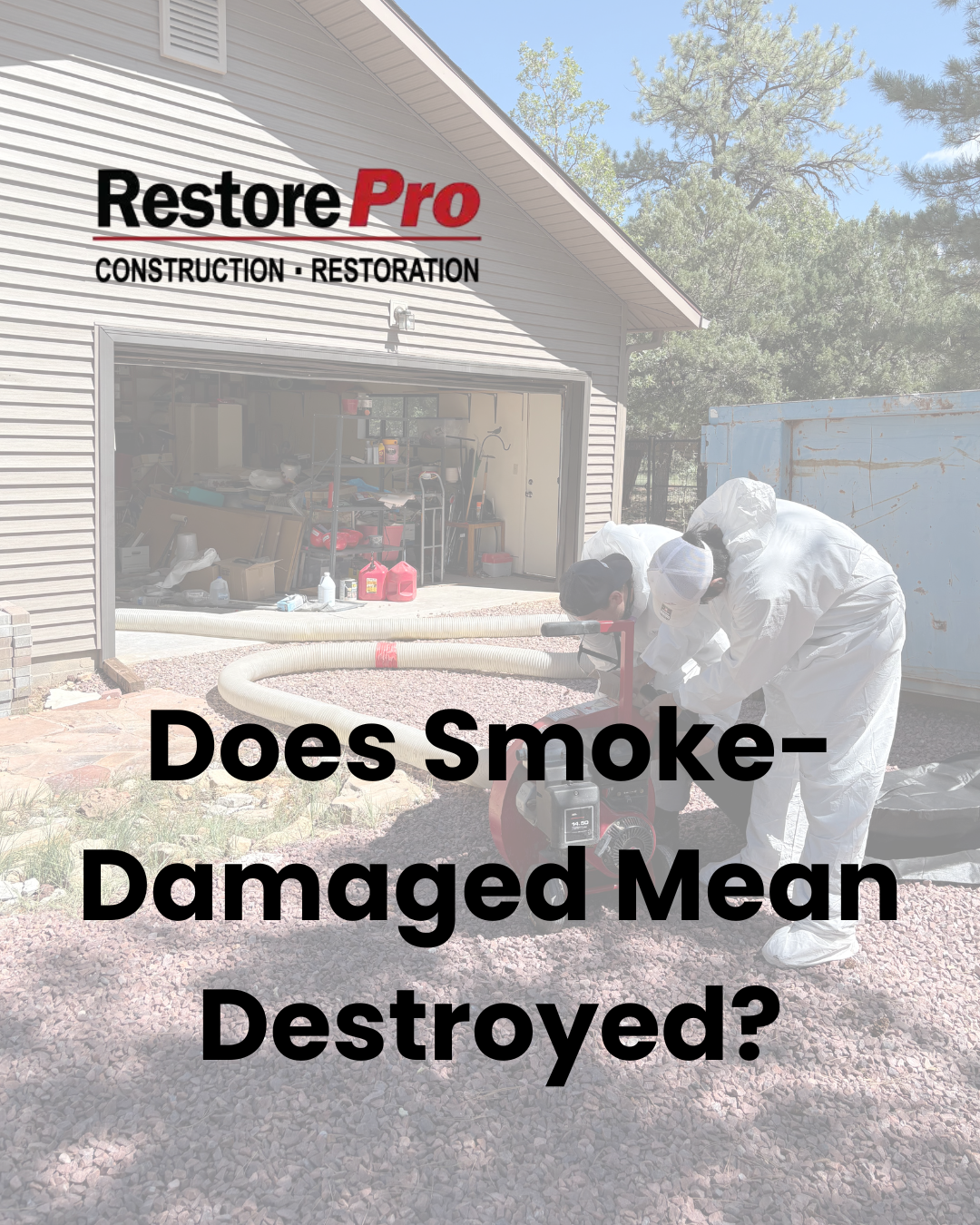
A holiday kitchen brings together hot pans, extra appliances, busy counters, and people moving between rooms. That combination makes a clear cooking plan especially useful before Thanksgiving and Christmas gatherings. A small distraction can become a fire problem, while smoke may affect more than the area that actually burned. If a fire is active or you are unsure it is fully out, evacuate, call 911 from outside, and stay out until responders say it is safe to return.
For Show Low homeowners,
holiday cooking fire safety starts before the first burner is switched on. These seven mistakes explain practical ways to reduce risk and why cooking fire smoke damage may need attention after the emergency ends. Prevention, emergency response, and restoration are different tasks with different priorities. Our role begins with property recovery after emergency responders have addressed the fire and access is appropriate.
Leaving Active Cooking Unattended
Answering the door or greeting arriving guests can take longer than expected. When everyone assumes someone else is watching the stove, a pan may be left without an attentive cook. A timer can remind you about a task, but it cannot observe overheating or make a safe decision for you. The most useful safeguard is a clear handoff rather than a vague request to keep an eye on everything.
The American Red Cross Arizona and New Mexico holiday guidance recommends staying in the kitchen while frying, grilling, or broiling and turning off the stove if you need to leave. Assign one attentive adult to active stovetop cooking. For roasting or other longer cooking tasks, follow appliance instructions, remain home, and check regularly. A crowded house does not guarantee that anyone is watching the pan.
Make the handoff explicit
- Identify who is supervising the active cooking.
- Turn the burner off before leaving when no one can take over safely.
- Use timers as reminders rather than substitutes for supervision.
- Keep the person cooking free to pause conversation or other tasks.
Letting Towels, Packaging, and Decorations Crowd the Heat
Holiday preparation can fill the counter with food packaging, recipe cards, oven mitts, and serving supplies. If those items migrate toward the stovetop, they can meet a hot surface or flame. Loose sleeves can create a similar problem when someone reaches across a burner. A festive centerpiece belongs away from the cooking area rather than between active pans.
The Consumer Product Safety Commission's safer-cooking guidance recommends keeping combustible materials away from heat and wearing close-fitting sleeves. Clear the work area before turning on a burner and maintain that space as dishes accumulate. Do not use the stovetop as temporary storage, including when some burners appear off.
A designated landing space for packaging and utensils helps keep the heat zone clear.
| Item near the cooking area | Problem it can create | Better placement |
|---|---|---|
| Towels and oven mitts | Contact with a hot surface or flame | Dedicated storage away from active heat |
| Plastic or paper packaging | Ignition, melting, or added smoke | A clear disposal or sorting area |
| Decorative greenery or fabric | Combustible material beside cooking | A display outside the cooking zone |
| Serving dishes and recipe materials | Crowding that encourages unsafe reaching | A separate staging area |
If a nearby item burns, the consequences depend on what was involved and how far heat and residue spread. A small-looking flame does not establish that only the countertop needs attention afterward. Describe the materials involved when arranging post-fire evaluation. That history helps the restoration team understand where to look without assuming every kitchen incident has the same cleanup scope.
Overheating Oil or Cooking Over Grease Buildup
Oil that begins smoking is a warning to stop heating it, not a signal to increase the burner. Leaving grease and food residue on cooking surfaces adds another avoidable source of fuel. Holiday cooking can make it tempting to start the next dish before the work area is ready. Keeping the equipment appropriately clean and following its instructions reduces that pressure.
The U.S. Fire Administration's cooking-fire guidance advises turning off the burner when oil smokes or grease begins to boil. Do so only when you can reach the control safely without leaning over danger. Allow equipment to cool before appropriate cleaning, and follow the appliance's maintenance instructions.
Do not carry an overheating pan through the room or move a burning pan to the sink.
Overloading the Counter With Improvised Appliance Connections
An extra roaster, coffee maker, air fryer, and warming appliance can create a setup very different from an ordinary dinner. Reaching for a power strip or extension cord may seem like the quickest way to make everything fit. That does not establish that the connection or circuit is suitable for the appliances. Counter space and electrical capacity are separate limits.
The Electrical Safety Foundation's kitchen fire-safety guidance advises against using extension cords for appliances. Follow each appliance's instructions, use suitable wall receptacles, and keep cords away from hot surfaces and water. Do not repeatedly reset a tripping breaker or continue using a damaged or overheating connection. Have an electrician evaluate an unsuitable supply rather than adapting it for one busy meal.
Simplify the appliance plan
- Decide which appliances genuinely need to operate at the same time.
- Inspect accessible cords before use and retire damaged equipment.
- Follow manufacturer instructions for placement, clearances, and connections.
- Keep cords from crossing walking routes or hanging where they can be pulled.
- Stop using equipment that sparks, smells electrically hot, or behaves abnormally.
Treating a Hot-Oil Turkey Fryer as an Ordinary Holiday Appliance
A large quantity of hot oil introduces hazards that are different from roasting in the kitchen. A tipping pot, oil overflow, or overheating can escalate quickly. Moving an outdoor fryer into a garage or beneath a covered patio to escape the weather creates another serious exposure. Prior experience does not remove the risks of the equipment and cooking method.
The National Park Service's turkey-fryer guidance explains that NFPA discourages outdoor gas-fueled fryers that immerse turkeys in hot oil. A practical alternative is to purchase professionally prepared fried turkey or choose another cooking method. Oil-free equipment still needs to be used according to its own instructions. A colder day in Winslow or Payson is not a reason to bring outdoor combustion equipment inside.
If a fryer incident occurs, prioritize evacuation and emergency help rather than trying to move the unit. Keep people away from spilled hot oil and affected structures. The eventual restoration scope depends on whether heat, soot, smoke, or suppression water reached the building. An outdoor origin does not automatically mean the home's interior is unaffected.
Choose the method before the event
- Consider professional preparation instead of home hot-oil frying.
- Select equipment and a cooking location that its instructions actually permit.
- Do not use a garage, enclosed space, or covered structure as a weather workaround.
- Keep the menu flexible if conditions make the planned method unsuitable.
Letting Children, Pets, and Guests Crowd the Cooking Zone
A busy kitchen can create collisions and distractions at the moment someone is handling hot food. A child reaching for a handle or an adult brushing past a pan can turn routine movement into a spill. Visitors may not recognize where the cook needs room to work. Clear boundaries are easier to establish before the meal than during a rushed response.
Keep children and pets at least three feet from the stove and other hot cooking equipment. Turn pan handles inward without placing them over another hot burner. Give guests a separate place to gather and keep the route to an exit open. The cooking area should remain a work zone even when the rest of the house is hosting.
Set the room up before guests arrive
- Keep stools and temporary tables out of the cooking and exit routes.
- Place the serving station away from the stove.
- Tell visiting adults where the cooking boundary begins.
- Keep pets elsewhere while hot dishes are carried.
Responding to a Fire in Ways That Spread It or Delay Escape
Trying to save a dish can make a small incident more dangerous. Water added to burning oil can spread the problem, while carrying the pan can expose people and other surfaces. Opening an oven during a fire can also worsen the situation. The first decision is whether you can leave safely, not whether the meal can be recovered.
CPSC's cooking-fire instructions say to keep an oven door closed and turn off the heat, and not to carry a burning pan outside. Attempt a small, confined pan-fire response only when you can act safely with an unobstructed exit. If you are unsure, cannot safely reach the controls, or see spreading fire or significant smoke, get everyone out. Call 911 from outside and do not reenter until responders permit it.
| Situation | Immediate priority | What to avoid |
|---|---|---|
| Small fire confined to a pan | Only if safe, cover it and turn off reachable heat | Water or carrying the pan |
| Fire contained in the oven | Keep the door shut and turn off heat if safely reachable | Opening the door to inspect or retrieve food |
| Spreading fire or uncertain conditions | Evacuate and call 911 from outside | Delaying escape to fight the fire |
| Fire appears out after an emergency | Follow responders' instructions before reentry | Assuming the room and appliances are ready for use |
Have working smoke alarms and a practiced escape plan before the gathering. Never disable an alarm to keep cooking through smoke; follow its instructions and respond to the actual conditions.
Deciding When Smoke and Soot Need Professional Restoration
Fire response ends with emergency safety decisions, while property recovery requires a separate assessment. A pan that overheated without a fire is different from an incident that burned cabinetry, packaging, or an appliance. The visible burn area does not establish where residue settled or whether suppression water remains. Cleaning should follow the materials involved and the affected areas rather than a single standard treatment.
Our article on fireplace smoke and soot warning signs explains observations such as residue and persistent odor. A kitchen fire has a different source, but those signs can still help you describe what changed after responders have allowed access. Our guide to what can be saved after a house fire explains why belongings need individual evaluation. Smoke exposure does not automatically make everything a total loss, and appearance alone does not make an item safe to keep using.
Match the next step to the condition
- Active fire or uncertain extinguishment: Emergency responders come first.
- Ordinary cooking odor without fire or residue: Correct the cooking issue and monitor rather than assuming major damage.
- Visible soot or persistent post-fire odor: Arrange a professional contamination and restoration assessment.
- Water used during suppression: Include moisture evaluation and drying where needed.
- Heat-exposed appliances or electrical components: Keep them out of use pending qualified evaluation.
- Food exposed to the fire: Follow food-safety guidance rather than tasting it or relying on packaging.
The Red Cross's post-fire guidance advises discarding food exposed to heat, smoke, or soot. Do not serve exposed food just because the kitchen looks cleaner afterward. Document affected items only when access is permitted and it does not delay safe disposal. Property records should support recovery without taking priority over safety.
Our fire and smoke restoration services can include soot cleanup, smoke odor removal, contents handling, and repairs according to the assessed loss. Do not scrub fire residue from finished surfaces or restart affected HVAC equipment before the appropriate evaluation. Some materials need careful cleaning, while others need removal or replacement. The scope should explain both the source of the odor and the materials being treated.
Understand what affects the cost
For independent budgeting, HomeGuide's fire-damage restoration guide lists
smoke and soot removal around $500 to $5,000 and
water damage restoration around $2,000 to $6,000 nationally. These are different categories, not a combined charge that applies to every kitchen incident. We prepare the estimate around the actual rooms, materials, contamination, and moisture involved. Reconstruction and contents work can change the scope. Coverage depends on the insurance policy and the insurer's decision.
| Recovery task | National planning context | What the estimate should explain |
|---|---|---|
| Smoke and soot removal | $500 to $5,000 | Affected surfaces and cleaning scope |
| Water damage restoration | $2,000 to $6,000 | Wet materials and drying work |
| Contents restoration | Project-specific estimate | Inventory and item-level decisions |
| Structural repairs or rebuilding | Project-specific estimate | Damaged assemblies and finished repairs |
Frequently Asked Questions
Can smoke damage occur if flames stay near the stove?
Yes, residue can affect areas beyond the visible burn location. The materials involved and the way smoke traveled matter. A small flame footprint does not establish the complete cleanup boundary. Have persistent odor or visible soot evaluated after safe access is allowed.
Should I put water on a grease fire?
No, water can spread burning oil. Do not carry the pan outside or toward the sink. Attempt only a safe response to a very small, confined pan fire with a clear exit. If there is any doubt, evacuate and call 911 from outside.
Is an outdoor turkey fryer safe in a garage during bad weather?
No, a garage is not a suitable weather workaround for outdoor combustion equipment. Hot-oil turkey frying carries additional fire and burn hazards. Consider another cooking method or professional preparation. Follow the instructions for any equipment you use.
Can I clean soot with ordinary household products?
The appropriate method depends on the residue and the affected material. Improper wiping can smear contamination or damage a finish. Avoid experimenting on fire-exposed surfaces before assessment. Professional evaluation can distinguish cleanable items from materials that need another response.
Does every smoky cooking incident require restoration?
No, ordinary cooking odor without a fire or deposited residue may not require that scope. Persistent odor, visible soot, heat damage, or suppression water changes the decision. Describe what burned and what remains after the incident. The recommendation should match the evidence.
When should I contact RestorePro after a kitchen fire?
Call 911 first for an active fire or uncertain emergency. Follow responders' instructions about reentry and access. Then contact us to discuss damage documentation and restoration. Do not enter a restricted property to prepare photographs or collect belongings.
Prepare the Meal Carefully and Know Who to Call Afterward
Holiday kitchen fire prevention starts with attentive cooking, suitable equipment, and a clear plan for the people sharing the space. If damage occurs, we help Show Low homeowners assess soot, smoke odor, moisture, and affected belongings after emergency access is cleared. We also serve Snowflake, Winslow, Pinetop-Lakeside, and Payson. The recovery plan should reflect the actual loss rather than assumptions based on the size of the fire.
Call our Show Low emergency restoration line at (928) 892-5245 to discuss post-fire property recovery. For an active fire or an immediate safety threat, evacuate and call 911 first. We can explain the restoration scope and the next steps once access is appropriate. Keep prevention and emergency safety first, with a clear plan for recovery if you need it.
Fire and Smoke Damage Restoration
Restoration Services in Show Low
Related Blog: Fireplace Smoke and Soot Damage Signs
Recent Posts
RESTOREPRO
Is Your Property Damaged Right Now? Do Not Wait.
Every hour without professional mitigation means more structural damage and higher repair costs. Whether you are dealing with standing water, fire residue, or visible mold growth, the fastest decision you can make is calling a team that is already on the way. RestorePro has certified crews on call across Payson, Show Low, Snowflake, and Winslow, ready to respond within 30 minutes of your call.