Black construction crane lifting a black building icon, with a city skyline silhouette

4 Places Mold Grows Inside Snowflake AZ Homes After a Monsoon Season That Most Homeowners Never Check

August 24, 2026

Share this article

Snowflake is dry for much of the year, which makes mold easy to underestimate. Monsoon season changes the moisture pattern quickly. A roof leak can wet insulation without staining the ceiling right away. Wind-driven rain can enter around a window and disappear behind drywall. Water can move beneath flooring while the surface dries first. By the time a musty odor appears, the moisture problem may no longer be limited to the place where water first entered.


At RestorePro, we approach mold remediation in Snowflake, AZ by finding the moisture source before deciding how much material needs to be removed or restored. The National Weather Service in Flagstaff lists Snowflake's normal June 15 through September 30 monsoon rainfall at about 5.44 inches. That rain does not arrive evenly. Localized thunderstorms can put a large amount of water against roofs, walls, windows, drainage systems, and low areas in a short period.

RestorePro storm damage restoration ad with truck in field under rainbow and text “Storm Ready. Every Time.”

Why Mold Can Stay Hidden After a Snowflake Monsoon Storm

Visible water often dries before concealed materials do. The EPA's flood-cleanup guidance says mold can grow on wood, drywall, carpet, and furniture when those materials remain wet for more than 24 hours. The EPA also recommends opening cabinets and other enclosed areas during drying because hidden surfaces can retain moisture.


That is why mold growth after a monsoon in Snowflake, AZ is not always visible on the room side of a wall or floor. RestorePro's guide to how long mold can take to grow after water damage explains why drywall, carpet, insulation, and wood are especially important after a water event.

Four Places Homeowners Commonly Miss

Hidden Area How Moisture Gets There What May Show Up First
Behind drywall and baseboards Roof leaks, window intrusion, plumbing leaks Musty odor, staining, soft drywall
Under flooring and subfloor Floodwater, appliance leaks, wet carpet Warping, soft spots, odor
Inside cabinets and plumbing cavities Sink leaks, supply-line leaks, exterior water intrusion Swollen cabinet material, staining
Attics and crawl spaces Roof leaks, condensation, ground moisture Damp insulation, wood staining, odor

Place 1: Behind Drywall, Baseboards, and Wall Finishes

Wall cavities are one of the easiest places for mold to remain out of sight. The EPA's hidden-mold guidance specifically identifies the back side of drywall, wallpaper, and paneling, as well as wall areas around leaking or condensing pipes, as common concealed locations.


In Snowflake homes, monsoon moisture can reach those cavities through roof leaks, flashing failures, wind-driven rain around windows, plumbing problems, or water that rises high enough to soak the bottom edge of drywall. Our guide to what Snowflake storms actually do to homes explains those common storm-entry paths. The painted surface may feel dry while paper backing, insulation, or wood framing behind it is still holding moisture.


Warning signs around walls include:

  • A musty odor with no visible source
  • Staining near baseboards
  • Paint beginning to bubble or peel
  • Drywall that feels soft or swollen
  • Baseboards pulling away from the wall
  • Recurring stains after monsoon storms
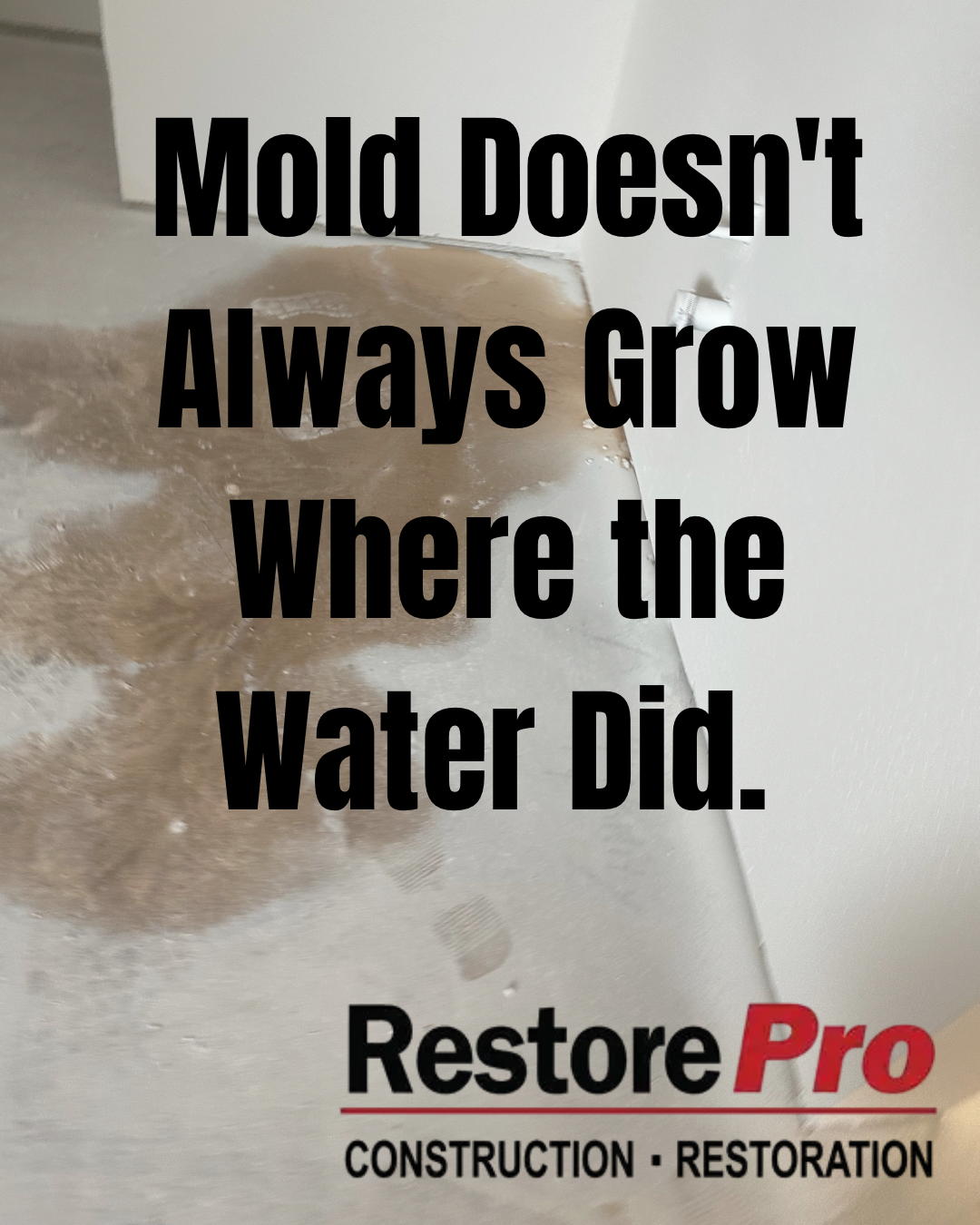
Text graphic: “Mold Doesn’t Always Grow Where the Water Did.” with RestorePro restoration logo.

Place 2: Beneath Flooring, Carpet Pad, and Subflooring

Flooring can hide moisture exceptionally well because the walking surface may dry faster than the layers underneath it. Water can move beneath laminate, engineered flooring, carpet pad, baseboards, and cabinets before the homeowner realizes how far it traveled. Our water damage restoration service uses moisture assessment and structural drying to follow that path beyond the visible surface.


Look for:

  • Flooring seams beginning to swell
  • New buckling or cupping
  • Soft areas underfoot
  • Carpet that feels dry but still smells musty
  • A recurring odor after the room warms up
  • Flooring that begins lifting after the storm has passed

Place 3: Inside Cabinets, Vanities, and Plumbing Cavities

Kitchen and bathroom cabinets create enclosed spaces with limited airflow. Water from a sink connection, supply line, dishwasher, refrigerator line, exterior wall leak, or monsoon intrusion can move behind a cabinet box where a homeowner rarely looks.


Check cabinets and vanities for:

  • Swollen toe kicks
  • Warped cabinet bottoms
  • Staining under sinks
  • Musty odor inside closed cabinets
  • Soft material at the back of a cabinet
  • Moisture around pipe penetrations

Place 4: Attics, Crawl Spaces, and Roof Assemblies

Attics and crawl spaces are easy to forget because homeowners do not see them during normal daily use. Yet they contain exactly the materials mold needs after water intrusion: wood framing, insulation, roof decking, subflooring, and enclosed surfaces with limited airflow.


The EPA's hidden-mold guide includes roof materials above ceiling tiles and concealed wall areas as places where moisture problems can remain hidden. RestorePro's article on 5 Hidden Signs of Water Damage also explains how ground moisture, condensation, insulation problems, and seasonal temperature changes can affect concealed areas beneath a home.


After monsoon moisture, inspect for:

  • Damp or compressed insulation
  • Dark staining on roof decking
  • Water tracks along rafters
  • Musty odor near attic or crawl-space access
  • Sagging or damaged insulation
  • Moisture around plumbing or HVAC penetrations

How to Tell a Small Surface Problem From Hidden Mold Damage

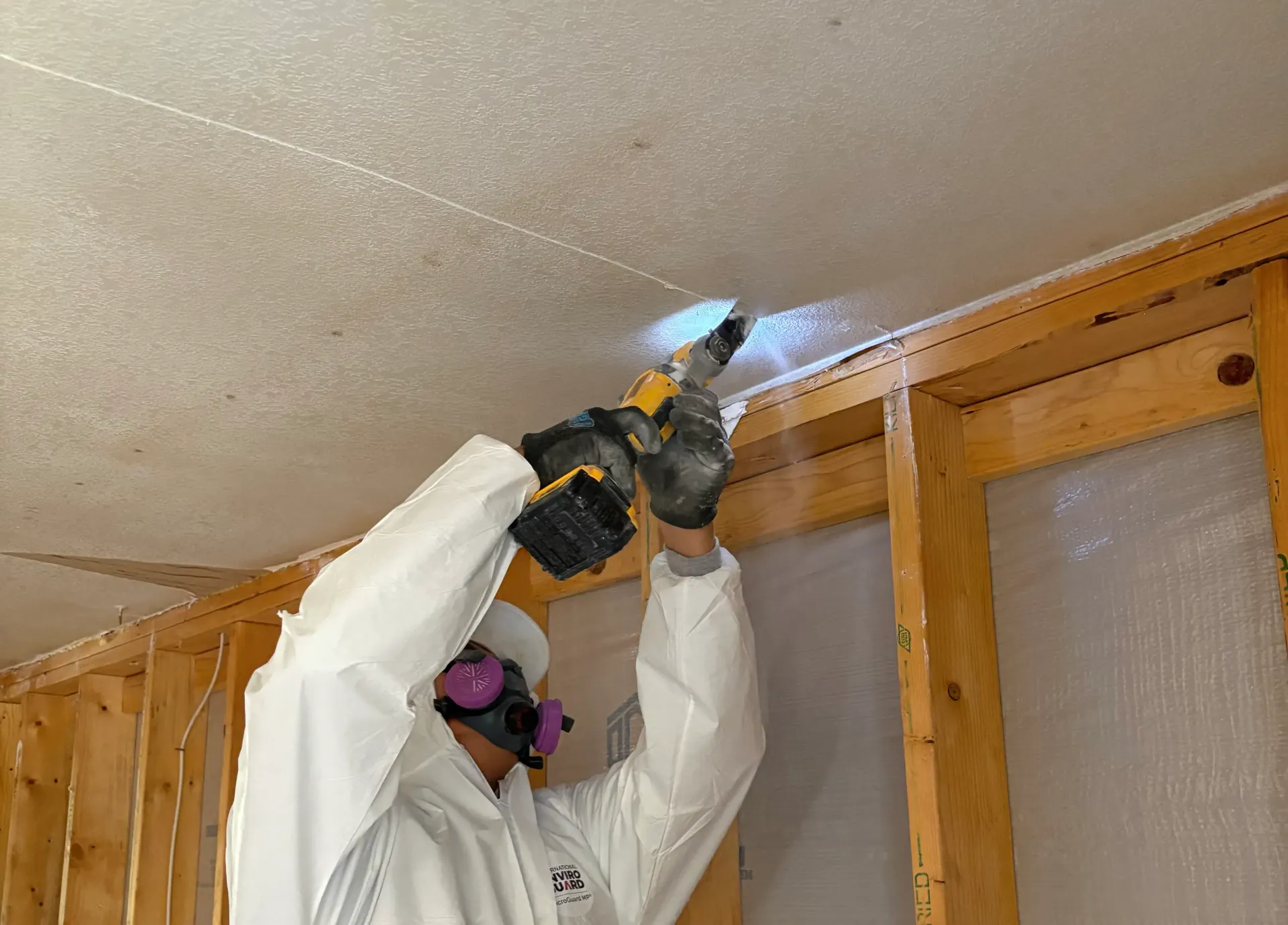
Not every spot of visible mold requires demolition. Our mold remediation service begins with inspection and damage assessment before containment or material removal is recommended. The decision depends on how large the affected area is, whether the moisture source is still active, what material is contaminated, and whether growth extends into a concealed assembly.

Surface Cleaning vs. Professional Remediation

Condition What It Usually Means Best Next Step
Small visible area on a cleanable surface May be limited if moisture source is corrected Clean safely and monitor
Musty odor with no visible source Hidden growth may be present Inspect concealed areas
Mold behind drywall or under flooring Porous materials may be affected Professional assessment
Repeated mold after cleaning Moisture source may still be active Find and correct source
Large or spreading affected area Containment and removal may be required Professional remediation
Water-damaged structural materials Mold and material deterioration may overlap Remediation plus repair

The EPA warns that investigating hidden mold can release spores when materials are disturbed. If you suspect growth behind wallpaper, drywall, flooring, or another concealed surface, opening the area without a plan can spread contamination into rooms that were not previously affected.

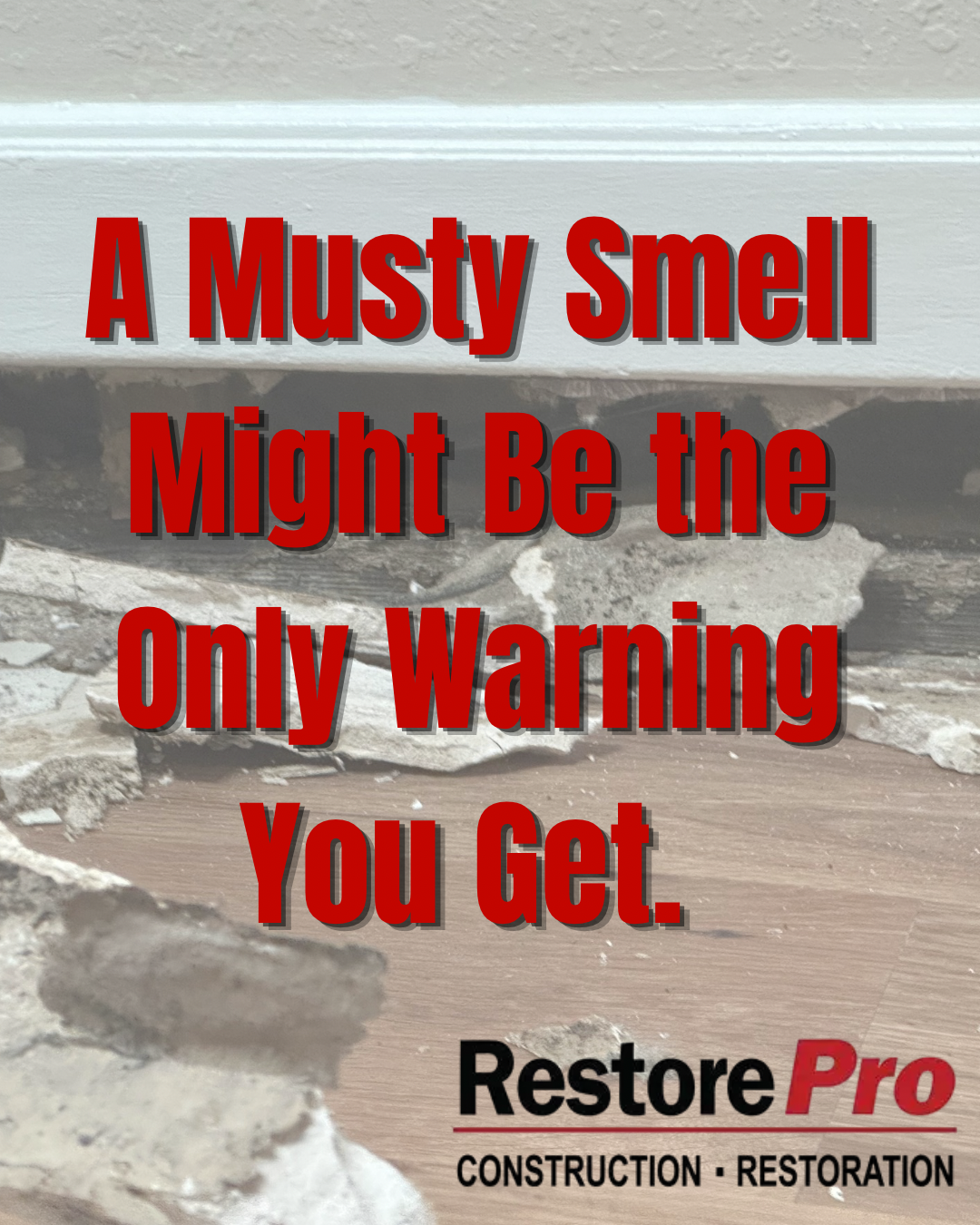
Mold warning ad over a water-damaged floor: “A Musty Smell Might Be the Only Warning You Get.”

What Snowflake Homeowners Should Check Before Monsoon Season Ends

Walk through the home and check:

  1. Ceilings below roof valleys and penetrations.
  2. Walls around windows and exterior doors.
  3. Baseboards in rooms that took on water.
  4. Flooring near exterior walls and appliances.
  5. Cabinets below sinks and around supply lines.
  6. Attic insulation below roof penetrations.
  7. Crawl-space framing and insulation where accessible.
  8. Rooms with persistent musty odor.

What Does Mold Remediation Cost in Snowflake, AZ?

There is no responsible flat price for mold removal in Snowflake, AZ because the visible mold is not always the full scope. A small accessible area is different from growth behind several walls, beneath flooring, inside cabinets, or throughout an attic or crawl space.

What Changes Mold Remediation Cost?

Cost Factor Why It Changes the Scope
Size of affected area Larger areas require more containment and labor
Hidden vs. visible growth Concealed mold may require controlled access
Material type Drywall, insulation, carpet, wood, and cabinets respond differently
Moisture source Active roof, plumbing, or flood issues must be corrected
Location Attics, crawl spaces, and tight cavities affect access
Containment needs Larger or more complex areas require stronger isolation
Demolition Porous materials may need controlled removal
Drying requirements Wet framing or subflooring may need structural drying
Reconstruction Walls, flooring, cabinets, or finishes may need rebuilding

Frequently Asked Questions

  • How quickly can mold grow after monsoon water enters a Snowflake home?

    The EPA says mold can begin growing on wet wood, drywall, carpet, and furniture when materials remain wet for more than 24 hours. The exact timeline varies with moisture, temperature, airflow, and the material involved.

  • Can mold grow behind drywall without showing on the painted surface?

    Yes. The EPA identifies the back side of drywall, wallpaper, paneling, and wall areas around leaking pipes as common hidden-mold locations. A musty odor or known water intrusion can justify further assessment even when the wall surface looks normal.

  • Does dry Arizona air kill mold after monsoon season?

    No. Drying can stop active growth when moisture is removed, but it does not mean affected material has been cleaned or that concealed areas dried at the same rate as visible surfaces. The source and affected materials still need to be evaluated.

  • When should I call for mold remediation in Payson or Snowflake?

    Professional remediation makes sense when growth is extensive, returns after cleaning, is hidden behind building materials, follows significant water damage, or requires containment and controlled removal. RestorePro provides mold remediation in Snowflake, Payson, Show Low, Winslow, and surrounding Northern Arizona communities.

  • Can RestorePro rebuild walls or flooring after mold removal?

    Yes. RestorePro handles mold remediation as well as residential construction and structural repairs. When drywall, flooring, cabinets, insulation, or framing must be removed, our team can continue from mitigation through reconstruction.

Check Where the Water Went, Not Just Where It Appeared

The four places most homeowners miss after monsoon moisture are the places that are hardest to see: behind walls, beneath floors, inside cabinets, and in attics or crawl spaces. Mold follows moisture, so the right inspection begins with the path the water took through the home.


If you need mold remediation in Payson, AZ, mold removal in Winslow, AZ, mold damage restoration in Show Low, or a mold inspection in Northern Arizona, we can evaluate the moisture source, determine how far the affected area extends, contain and remove damaged materials where necessary, and handle reconstruction when the home needs to be put back together.


Mold Remediation & Mold Treatment
Water Damage Restoration
Storm Damage in Snowflake AZ
RestorePro Snowflake

Recent Posts

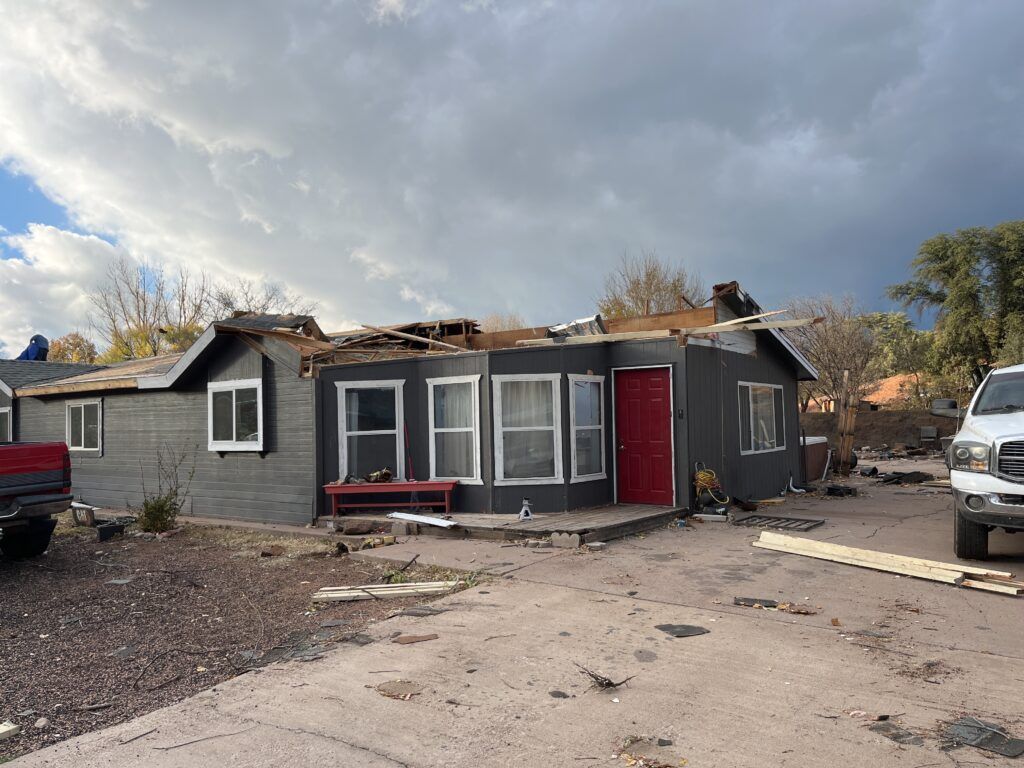
Damaged single-story house with a collapsed roof, red door, and debris in a driveway under cloudy skies
August 17, 2026
Monsoon flash flooding can leave hidden structural damage behind. Learn what Show Low homeowners should inspect, dry, document, and repair.
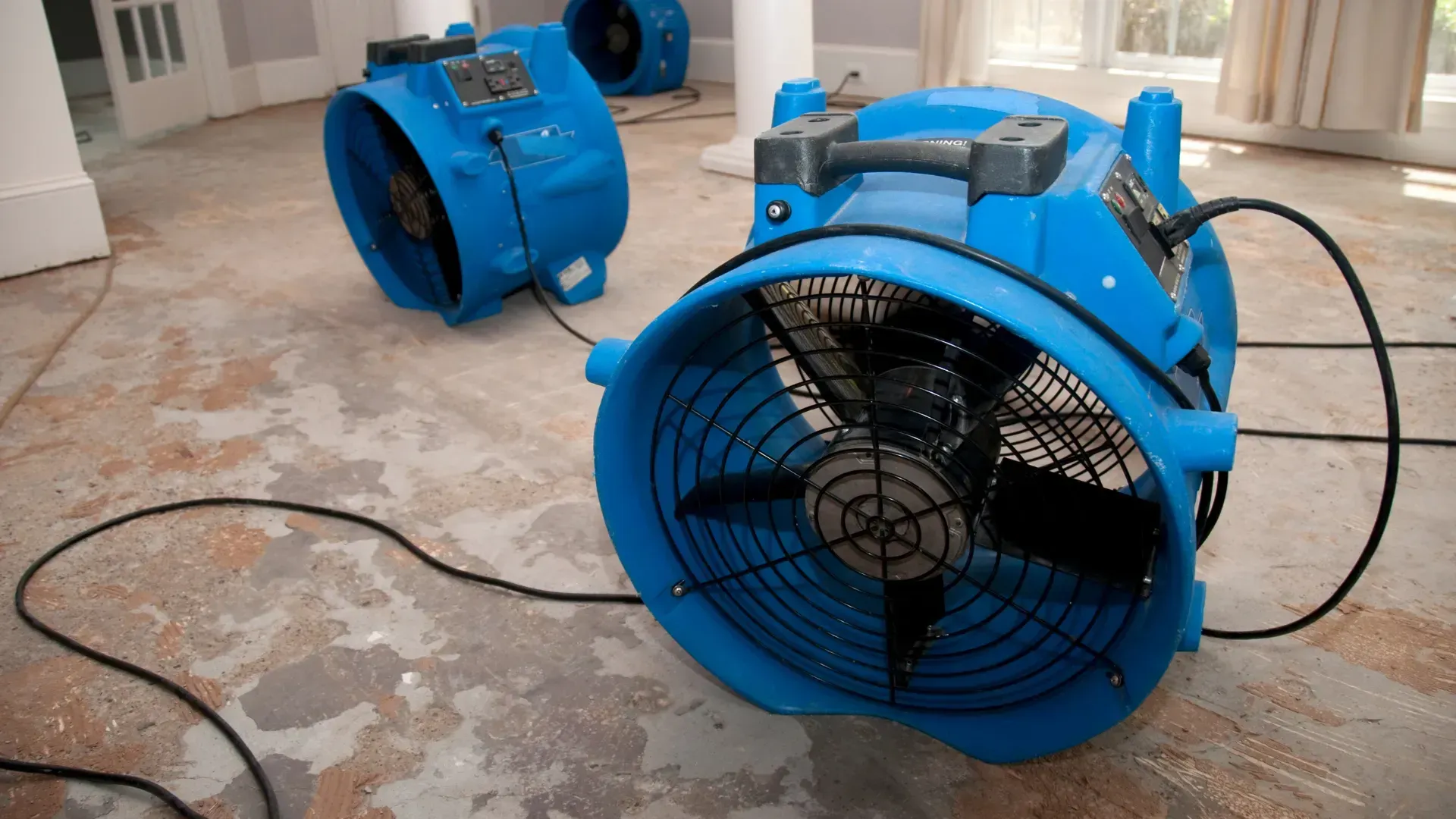
Two blue industrial air movers on a carpeted floor, one facing forward with a visible fan.
August 10, 2026
DIY water cleanup can miss hidden moisture and mold risk. Restore Pro explains which situations need professional water damage restoration in Winslow AZ.
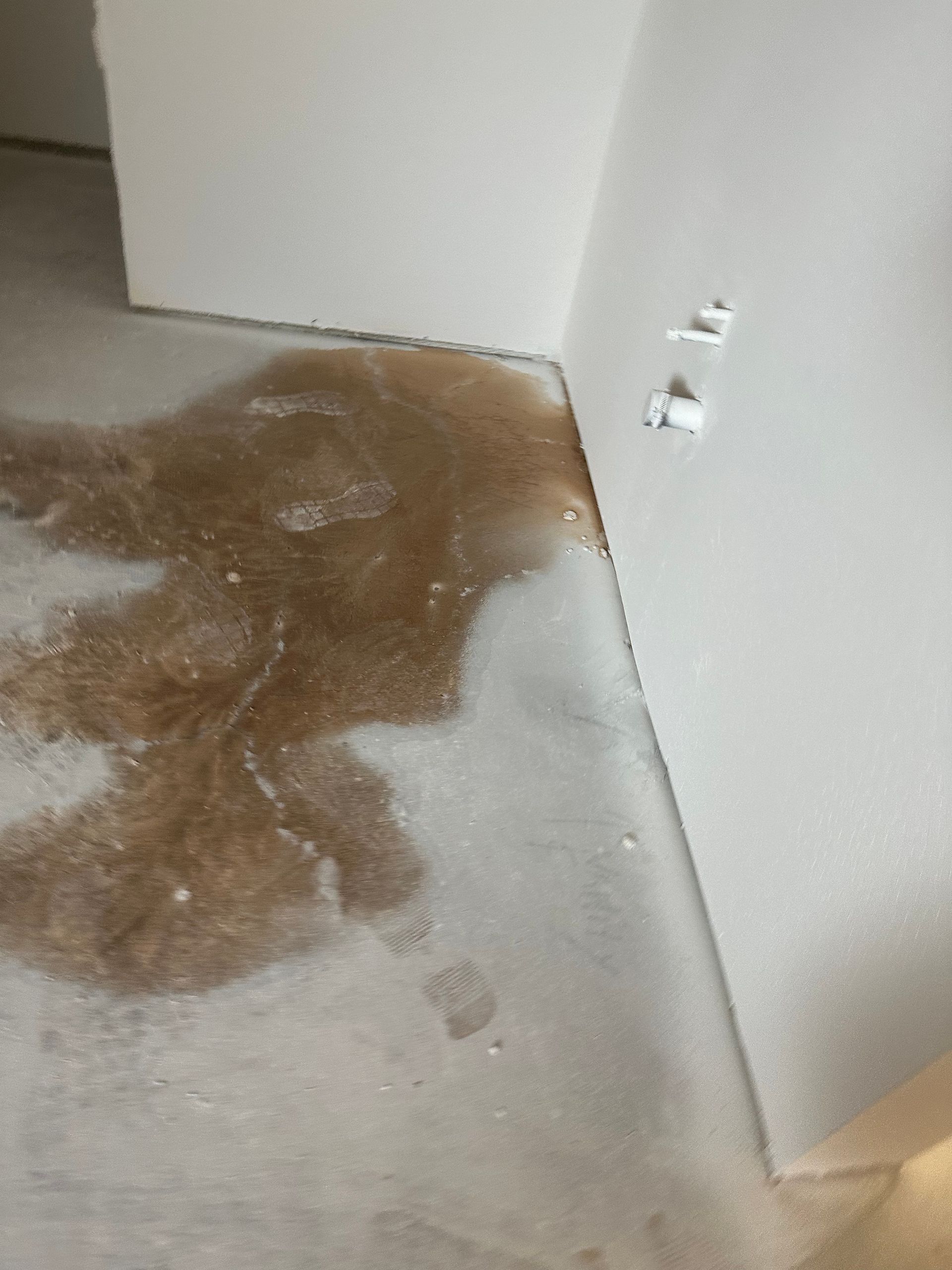
Brown water stain spreading across a carpet near a wall and electrical outlet.
August 4, 2026
Water damage hides in a Payson AZ home long before it shows. RestorePro reveals 5 hidden signs homeowners overlook until they become a costly problem.
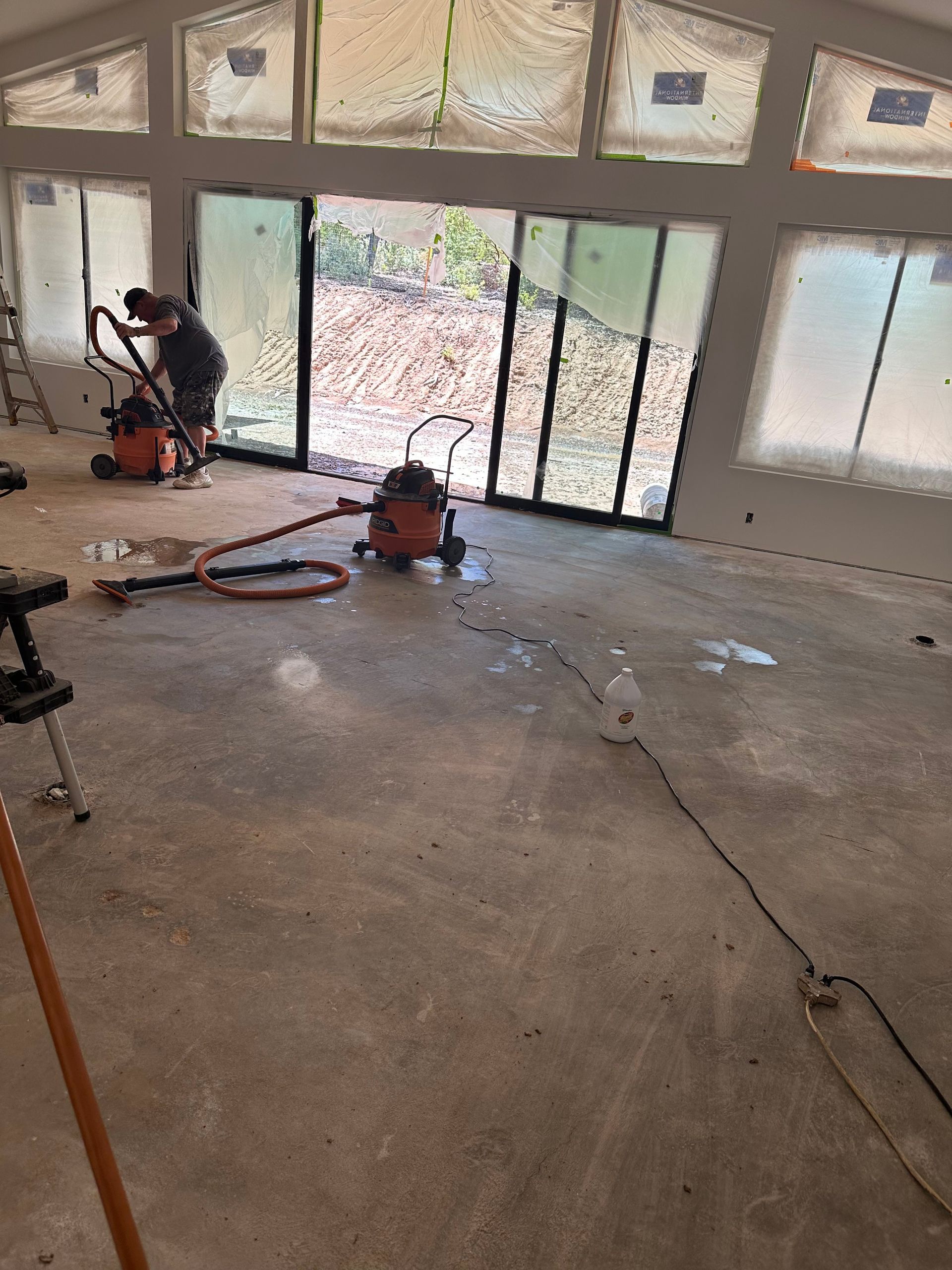
Indoor construction area with concrete floor, large windows, and tools/equipment near the wall
July 28, 2026
After a wildfire, a Snowflake AZ home can look fine but still hold smoke residue for months. RestorePro explains what DIY cleanup misses and when to call.

Mold-damaged dining room with stained walls, peeling paint, chandelier, and debris on the floor
July 22, 2026
Show Low sees intense monsoon rain from July–Sept. RestorePro explains why it causes mold, key signs to spot at home, and what to do if mold has started.
Unfinished wooden room interior with exposed beams, tools on floor, and forest visible through large window openings
July 14, 2026
Most Northern AZ homeowners call insurance right after property damage. RestorePro explains why it costs more, what to do instead, and how AZ claims work.
Damaged kitchen with burned ceiling, broken window, and debris around the sink and counters
July 9, 2026
Storm damage in Payson, Show Low, or Snowflake isn't always obvious. RestorePro covers 6 hidden types and what to do after every monsoon or winter storm.
Workers in a narrow hallway clearing debris, with tools, ladders, and black trash bags spread around.
June 30, 2026
First hours after a house fire in Payson, Show Low, or Snowflake AZ shape damage and claims. RestorePro walks you through every step to protect your home.
Two white utility trucks parked beside a brick building on a gravel lot, one with a moving trailer.
June 23, 2026
Storms, water, mold, and fire are top property damage events in Payson AZ. RestorePro explains every step of the claims process and what your policy covers.
Two workers clearing debris in a stripped room with ladder, tools, and black trash bags
June 16, 2026
Monsoons, flooding, and winter freezes leave hidden damage on Snowflake AZ homes. RestorePro covers what to look for, document, and when to call a pro.
Show More

Is Your Property Damaged Right Now? Do Not Wait.

Every hour without professional mitigation means more structural damage and higher repair costs. Whether you are dealing with standing water, fire residue, or visible mold growth, the fastest decision you can make is calling a team that is already on the way. RestorePro has certified crews on call across Payson, Show Low, Snowflake, and Winslow, ready to respond within 30 minutes of your call.