
What Snowflake AZ Storms Actually Do to Homes and What Comes Next
Snowflake sits at 5,686 feet in Navajo County, in the high-desert plateau between the White Mountains and the Colorado Plateau. That elevation shapes everything about how weather moves through the community. It means Snowflake receives real winter snowfall, real freeze events, and a monsoon season that delivers intense, localized thunderstorms from July through September. It also means the town is far enough north that the National Weather Service office in Flagstaff, which covers the White Mountains region, issues flash flood watches for drainages and washes that homeowners in lower-elevation Arizona communities never think about.
Snowflake averages approximately 12 inches of precipitation per year, with July consistently being the wettest month. Almost all of that July moisture arrives not as steady rain but as afternoon and evening thunderstorms that concentrate rainfall over short periods. According to the National Weather Service Flagstaff office, the northern Arizona monsoon season typically begins in early July, with much of the area receiving 40 to 50 percent of its annual precipitation during the monsoon months. That seasonal concentration is the source of most storm damage Snowflake AZ homeowners call RestorePro about.
This article explains the specific storm damage patterns that affect Snowflake homes, what the early and late-stage warning signs look like for each type, and the steps a homeowner should take immediately after a storm event before a restoration team arrives.

The Three Storm Categories That Cause the Most Damage in Snowflake
Not all storm damage in Snowflake looks the same. The town's elevation and location create exposure to three distinct weather patterns, each of which damages homes differently and requires a different restoration response.
Monsoon Thunderstorms (July through September)
The Arizona monsoon season officially runs from June 15 through September 30, according to the Arizona State Climate Office. In northern Arizona and the White Mountains region, the active monsoon typically does not arrive until early July. When it does, it brings intense, localized thunderstorms capable of producing:
- Heavy rainfall concentrated in short windows, often 30 to 60 minutes, that can overwhelm roof drainage systems, yard grading, and dry washes
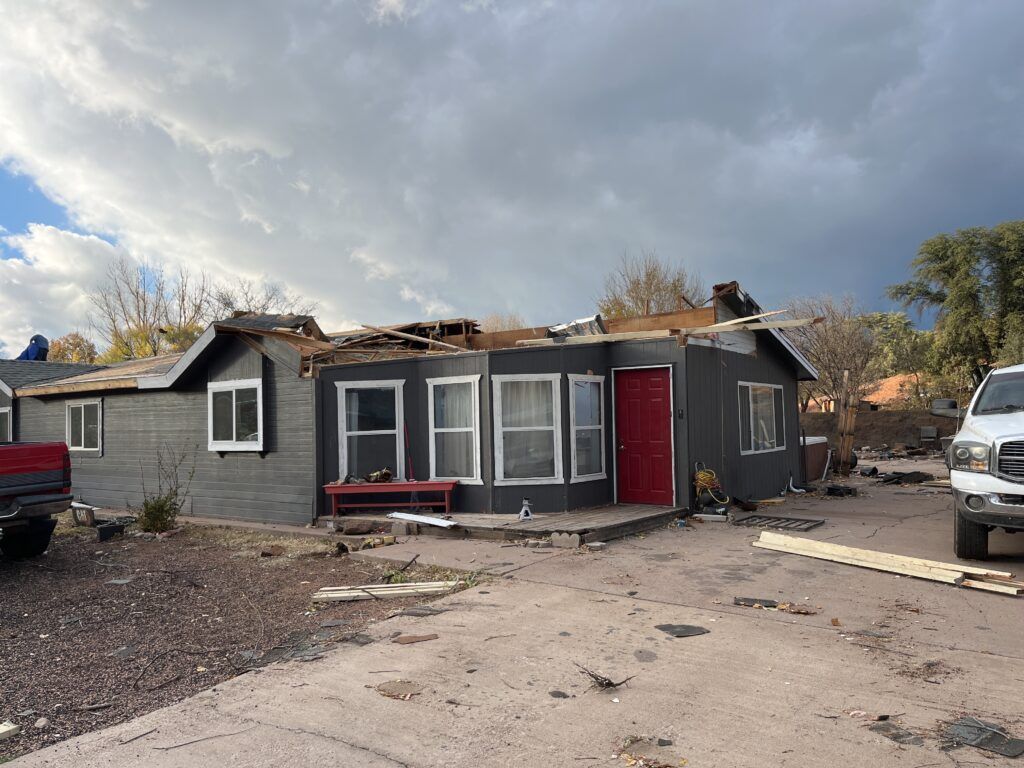
- Strong outflow winds from thunderstorm downdrafts that can cause roof damage, downed trees, and structural stress on outbuildings
- Large hail that damages roofing materials, siding, and any exposed equipment or vehicles
- Lightning strikes that can cause fire damage, electrical system damage, and structural impacts directly
The high-desert terrain around Snowflake, with its washes, arroyos, and impermeable caliche soil layers, channels monsoon runoff rapidly. Water that falls half a mile away from a property can arrive in a concentrated flow within minutes. Flash flooding in low-lying areas, around foundations, and in structures with compromised drainage is a documented risk during every active monsoon season in Navajo County.
Winter Storms and Freeze Events (November through March)
At 5,686 feet, Snowflake receives an average of approximately 14 inches of snowfall per year and experiences hard freezes regularly through the winter months. Winter storm damage in Snowflake homes includes:
- Burst pipes from freeze events, particularly in exposed supply lines, crawl spaces, and insufficiently insulated wall cavities in older construction
- Roof damage from snow load on structures not designed or maintained for weight accumulation
- Ice-related intrusion at roof edges, flashings, and penetrations where freeze-thaw cycling creates gaps that allow water entry
- Foundation and perimeter damage from snowmelt that concentrates against the structure as temperatures rise
Post-Fire Debris Flow Events
The Navajo County and Apache County regions surrounding Snowflake have experienced significant wildfire activity in recent years. According to the National Weather Service Flagstaff office, recent burn areas are especially vulnerable to flash flooding because the fire-damaged soil loses its ability to absorb rainfall, dramatically increasing runoff volume and debris flow risk. A monsoon storm that would produce moderate runoff on undamaged terrain can produce destructive debris flows on a recently burned watershed. Snowflake homeowners in proximity to recent burn scar areas face compounded storm damage risk during every monsoon season following a fire event.
What Storm Damage Looks Like in Snowflake Homes: Category by Category
Water Intrusion and Interior Flooding
Water damage from storm events in Snowflake most commonly enters through three pathways:
- Roof penetrations and flashings: Heavy monsoon rainfall combined with wind-driven rain can push water through compromised flashing at chimney bases, skylights, and roof-to-wall transitions. The damage often appears as ceiling staining days after the storm event, once water has traveled through the roof assembly and accumulated above the finished ceiling.
- Foundation and crawl space intrusion: Concentrated surface runoff from monsoon events that overwhelms the grading around the foundation collects against the foundation wall and enters through cracks, gaps at utility penetrations, or through inadequately sealed crawl space vents.
- Window and door frame intrusion: Wind-driven rain during severe monsoon thunderstorms can push water through gaps in window frames, door thresholds, and siding joints that would not leak during moderate rainfall. This type of intrusion often affects the wall cavity rather than the visible interior surface, creating hidden moisture accumulation that promotes mold growth.
Signs of active water intrusion to check after a monsoon storm:
- Water staining or discoloration on ceilings, particularly at interior corners and along exterior walls
- Soft or spongy areas in drywall near windows and door frames
- Standing water or wet soil in the crawl space
- Efflorescence, the white mineral deposits left by evaporating water, on foundation walls or concrete block
- A musty odor developing within 24 to 72 hours after the storm, indicating moisture has reached organic materials in the wall or floor assembly
Wind and Hail Damage to Exterior Surfaces
Monsoon outflow winds in the Snowflake area can reach damaging levels. Combined with hail, which is common during the most intense monsoon cells, exterior damage to roofing materials, siding, and exposed equipment is a frequent outcome of severe summer storms.
Signs of wind and hail damage to inspect after a storm:
- Missing, lifted, or displaced shingles on any roof slope
- Granule loss from asphalt shingles visible on ground surfaces, in gutters, or at downspout discharge points
- Dents or punctures in metal roofing panels, gutters, downspouts, or exterior HVAC equipment
- Cracked or broken siding panels, particularly on windward elevations
- Damaged or displaced roof ventilation components including ridge vents, turbines, and soffit panels
- Fence damage, gate failures, or downed outbuildings that indicate the wind load the structure experienced
Freeze and Burst Pipe Damage
Winter storm damage from burst pipes is among the most destructive categories of water damage RestorePro responds to, because the volume of water released by a burst supply line can be enormous before the source is located and shut off.
Signs of freeze-related pipe damage in Snowflake homes:
- Loss of water pressure or complete loss of water flow to one or more fixtures after a freeze event
- Sound of running water inside walls when no fixtures are in use, indicating an active leak
- Water staining or wet spots appearing on ceilings, walls, or floors that were not present before the freeze
- Visible frost or ice on exposed pipes in unconditioned spaces including garages, crawl spaces, and exterior wall cavities
- Discolored or discolored water flow after a freeze and thaw cycle, indicating sediment disturbed by pipe movement or damage
What to Do Immediately After Storm Damage in Snowflake
The actions taken in the first hours after storm damage determine how far the damage spreads. Water damage in particular is time-sensitive: according to the restoration industry's Institute of Inspection, Cleaning and Restoration Certification (IICRC), mold can begin to develop on wet building materials within 24 to 48 hours under the right temperature and humidity conditions. Snowflake's summer temperatures during monsoon season are well within the range where mold development begins quickly.
Step 1: Ensure safety before re-entering or assessing. If structural damage is visible, if flood water has entered the structure, or if there are any signs of electrical damage from lightning or water contact with electrical components, do not re-enter the structure until it has been assessed for safety. Contact your utility provider if there is any risk of electrical hazard.
Step 2: Stop active water entry if it is safe to do so. For burst pipes, locate and close the main water shutoff. For roof intrusion during an ongoing storm, tarping damaged areas reduces continued water entry and protects materials for insurance documentation purposes. Do not climb onto a damaged roof during an active storm.
Step 3: Document everything before any cleanup begins. Insurance claims for storm damage require documentation of the pre-remediation condition.
Photograph and video every area of visible damage, including:
- All affected rooms and surfaces, with wide shots establishing context and close-ups showing specific damage
- Exterior damage on all elevations, including the roof if safely accessible from ground level
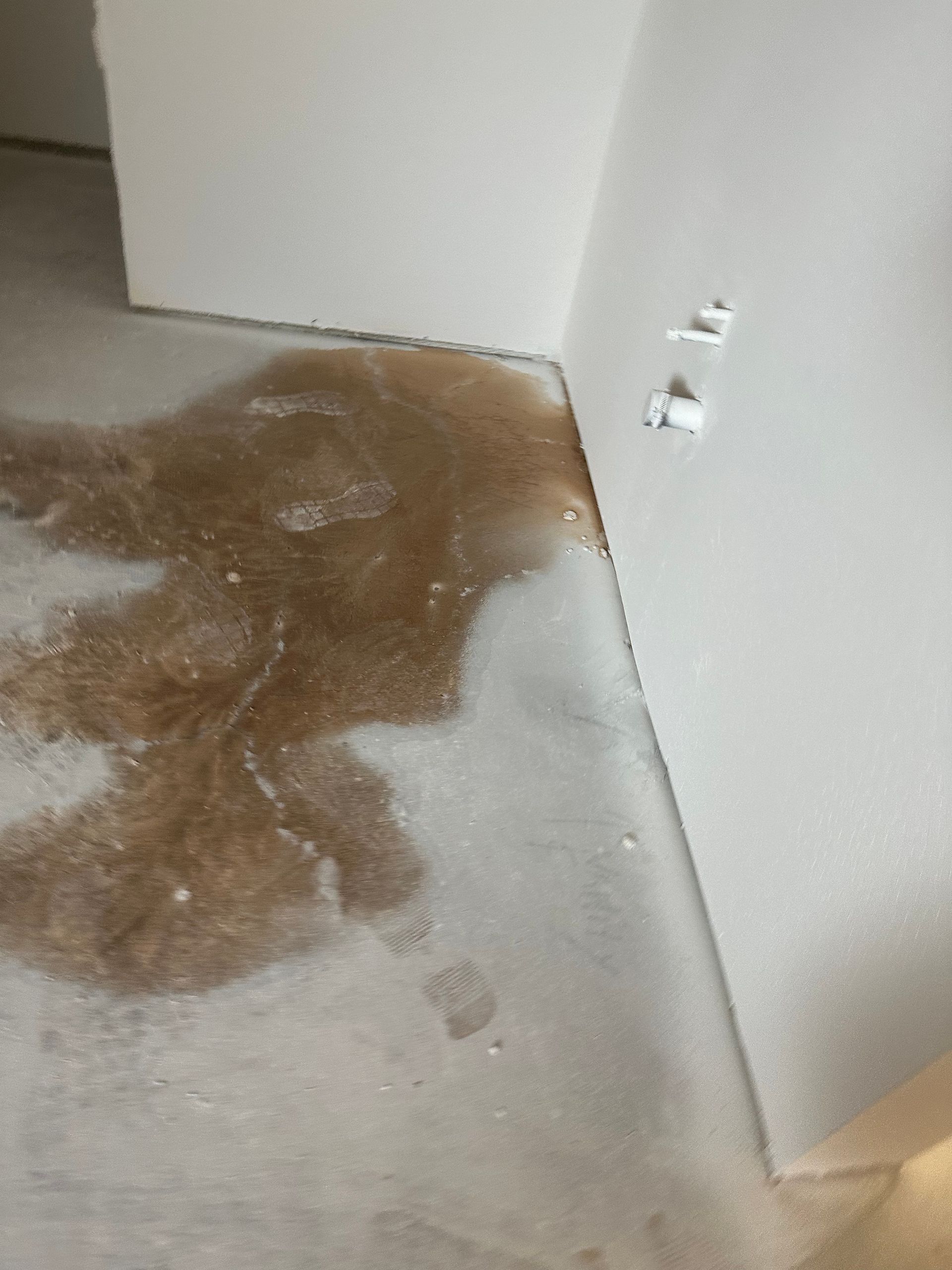
- Any water accumulation on floors, in crawl spaces, or in mechanical areas
- Damaged personal property within the affected areas
Step 4: Contact RestorePro before beginning any cleanup. Beginning DIY cleanup before a professional assessment can complicate insurance claims and may not adequately address hidden moisture in wall cavities, subfloors, and insulation. RestorePro's assessment includes moisture mapping of affected areas to identify water migration beyond the visibly wet surfaces, which is consistently where mold develops in improperly dried structures.
What Professional Storm Damage Restoration in Snowflake Involves
RestorePro serves Snowflake and the surrounding Navajo County communities as part of its four-location service area covering Snowflake, Payson, Show Low, and Winslow. For storm damage Snowflake AZ homeowners call about, the restoration process follows a consistent sequence:
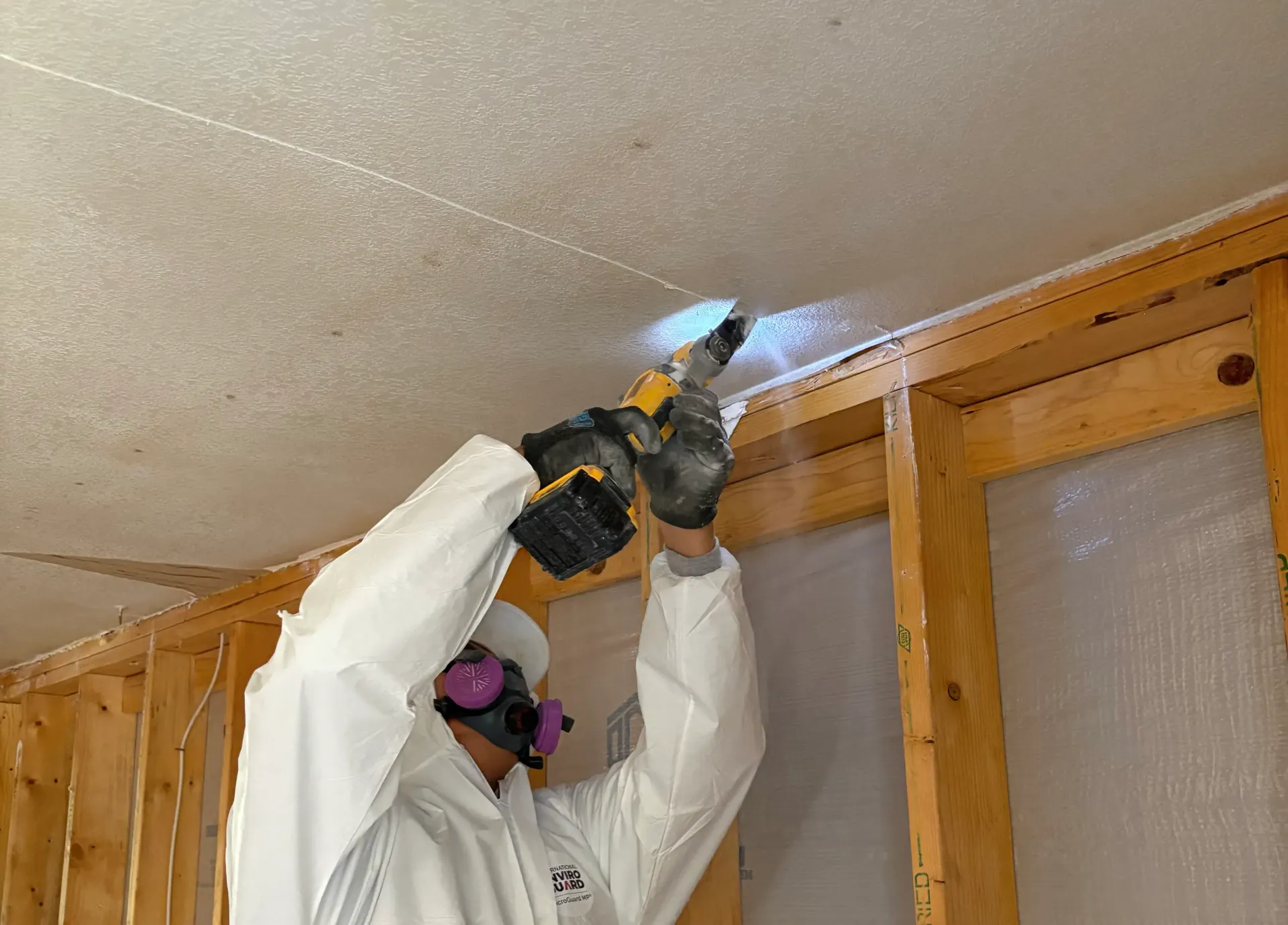
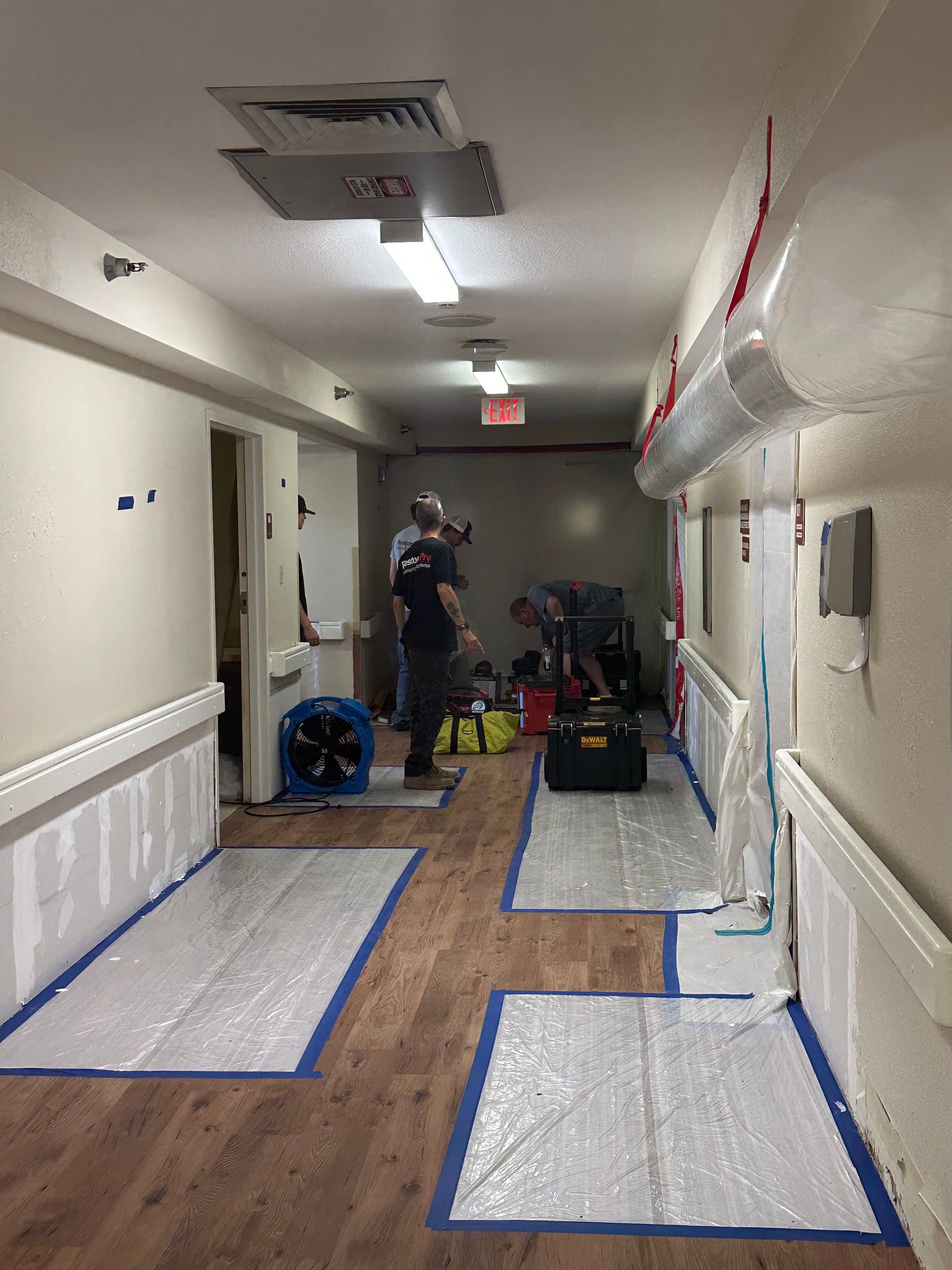
Assessment and moisture mapping: Identifying all areas of moisture intrusion using professional moisture meters and thermal imaging, which reveals water in wall cavities and subfloor assemblies that are not visible to the eye.
Structural drying: Deploying commercial drying equipment including air movers and dehumidifiers to dry affected materials to documented moisture content levels. Structural drying in Snowflake's climate requires understanding how the high-elevation outdoor conditions affect the drying process, including the lower ambient humidity that can work in favor of faster drying when managed correctly.
Damaged material removal: Removing materials that cannot be adequately dried in place and that would otherwise become mold growth sites. This typically includes saturated insulation, damaged drywall sections, and compromised flooring materials in water-affected areas.
Mold prevention and treatment: Applying appropriate antimicrobial treatments to affected structural cavities before they are closed and rebuilt, particularly in cases where drying was not initiated within the critical 24 to 48 hour window.
Reconstruction: Because RestorePro handles both restoration and construction, the same team that dries and remediates the structure can rebuild the affected areas without the coordination delays that occur when two separate contractors are involved.
Insurance documentation support: RestorePro provides the documentation that insurance adjusters require, including moisture readings, affected area documentation, and scope of work that supports accurate claim processing.
The Window That Determines How Extensive the Restoration Becomes
The most consistent pattern RestorePro sees in Snowflake storm damage calls is this: the homeowners who call within hours of the event have smaller, more manageable restoration projects. The homeowners who wait days or weeks, hoping the damage will dry out on its own or that the visible signs are the full extent of the problem, arrive at much larger projects.
Water in a wall cavity does not dry out on its own in 48 hours. It migrates, reaches organic materials, and creates the temperature and moisture conditions that mold requires. A monsoon storm that causes $3,000 in immediate water damage can produce a $15,000 to $25,000 restoration project if the moisture is not addressed within the first day or two.
The right time to call RestorePro is the same day the storm damage occurs. The assessment is free, the moisture mapping takes less than an hour, and knowing what is actually in the walls before deciding whether to act gives every Snowflake homeowner the information they need to make the right call.
Recent Posts


RESTOREPRO
Is Your Property Damaged Right Now? Do Not Wait.
Every hour without professional mitigation means more structural damage and higher repair costs. Whether you are dealing with standing water, fire residue, or visible mold growth, the fastest decision you can make is calling a team that is already on the way. RestorePro has certified crews on call across Payson, Show Low, Snowflake, and Winslow, ready to respond within 30 minutes of your call.