Why Overgaard Homes Are More Vulnerable to Mold Than Most Homeowners Realize

June 9, 2026

Share this article

Most people move to Overgaard for the ponderosa pines, the cool summers, and the relief from Valley heat. What they don't expect is mold. The assumption is reasonable: Overgaard sits on the Mogollon Rim at an elevation of roughly 6,600 feet, surrounded by national forest, in a state most people associate with dry desert air. Mold feels like a problem for humid climates, not high-country Arizona.


The reality is more complicated. Heber-Overgaard's climate combines real winter snowpack, strong monsoon moisture from July through September, significant daily temperature swings, and a housing stock that often predates modern moisture management standards. These conditions create specific and predictable mold risks that Overgaard homeowners regularly underestimate until they are standing in front of a problem that has been growing in the walls or under the floor for months.


This guide explains why mold remediation in Overgaard AZ is a genuine and recurring need, where mold establishes itself in Rim Country homes, what the warning signs look like, and when professional remediation is the only effective response.

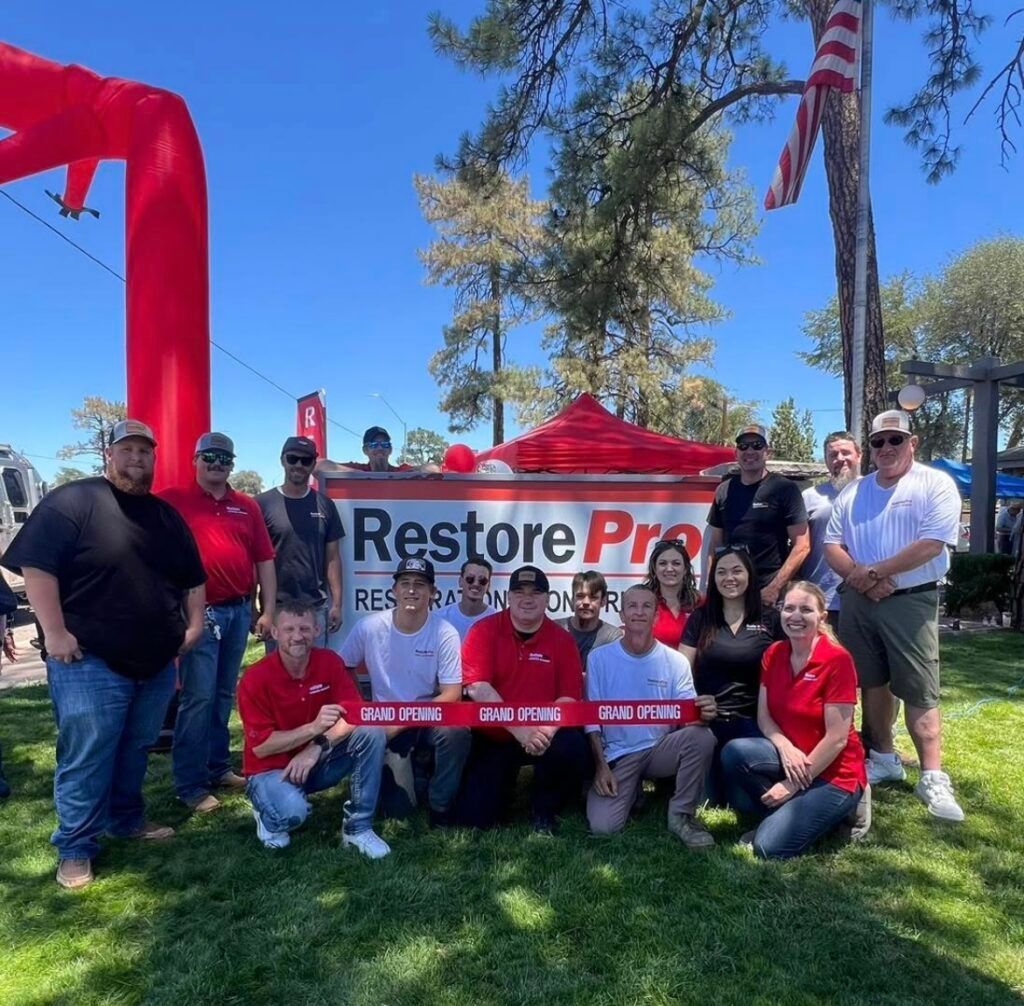
Group posing outdoors at a RestorePro event with red tents, banner, and team shirts under a blue sky

Why Elevation Does Not Protect You From Mold

The belief that high-elevation, low-humidity environments are mold-resistant is understandable but incomplete. Mold does not require a uniformly humid environment to establish and grow. According to the EPA, indoor relative humidity above 60 percent creates conditions where mold can grow on any organic surface. The question for Overgaard homeowners is not whether the regional climate is arid. It is whether moisture is entering the home and accumulating in spaces where it cannot dry out.


Heber-Overgaard receives approximately 17 inches of precipitation per year, according to climate records, with the wettest months concentrated in July and August during monsoon season and in winter when snowfall accumulates on the Rim. Neither of these moisture sources is gentle. Monsoon thunderstorms deliver intense, localized rainfall in short windows. Winter snowpack sits against foundations, under decks, and around crawl space vents for weeks at a time before melting.


At 6,600 feet, temperature swings between day and night are significant. A warm afternoon followed by a cold evening creates condensation on cold surfaces inside unheated spaces like crawl spaces, attics, and utility rooms. That condensation, recurring day after day through spring and fall, provides the sustained moisture that mold needs without any active leak or flooding event ever taking place.


The combination of episodic heavy moisture events, daily condensation cycles, and building cavities that don't dry quickly is exactly what produces the chronic, hidden mold problems that Overgaard homeowners most commonly call RestorePro to address.

The Three Moisture Sources That Drive Mold in Overgaard Homes

Understanding where moisture enters a Rim Country home is the foundation of both prevention and remediation. The sources are specific to this environment.


Snowmelt and foundation intrusion

Heber-Overgaard receives real winter snowfall, with temperatures that can drop well below freezing through January and February according to weather records for the area. When that snowpack melts in late winter and early spring, the water has to go somewhere. On properties where grading directs runoff toward the foundation rather than away from it, and on homes with crawl spaces rather than slab construction, that meltwater works its way into the ground directly adjacent to the structure.


According to restoration industry sources, as the ground becomes saturated during snowmelt, moisture moves toward the foundation and into crawl spaces and lower wall cavities. In crawl spaces, the combination of cold soil, limited airflow, and accumulated moisture creates conditions where mold can establish on wood framing and insulation without any obvious leak ever occurring. Because crawl spaces are rarely inspected, mold growing there can go undetected for an entire season before it begins affecting indoor air quality.


Monsoon season moisture and roof intrusion

Arizona's monsoon season runs roughly July through September, with the bulk of activity in July and August. At Overgaard's elevation, monsoon thunderstorms are intense and frequent, delivering heavy rainfall that tests roof condition, flashing integrity, and window seals in ways that the dry spring season does not.


Roof intrusions from monsoon events are among the most common causes of attic and ceiling cavity mold in Northern Arizona. A small gap at a flashing joint, a cracked vent boot, or a section of aging shingles allows water to enter the attic space during a heavy rain event. That water saturates insulation and wets the roof decking. In the days that follow, the attic heats during the afternoon and cools at night, sustaining the wet material in a humidity cycle that supports mold growth without any ongoing leak. By the time water staining becomes visible on the ceiling below, the mold colony in the attic has often been established for weeks.


Indoor condensation from temperature differentials

Overgaard's significant temperature swings between day and night create condensation problems that are distinct from what lower-elevation Arizona homeowners experience. When warm, moist interior air contacts cold surfaces, including exterior walls, window frames, uninsulated pipes, and the underside of roofing in poorly ventilated attics, the moisture in the air deposits as condensation on those surfaces.


This process is most problematic in autumn, when daytime temperatures are comfortable but nighttime temperatures drop sharply, and in late spring before consistent warmth arrives. Homes with limited ventilation in attics, bathrooms, or utility spaces accumulate condensation-driven moisture over weeks, providing sustained surface wetness in areas where mold can establish without any external water event.

Where Mold Establishes in Rim Country Homes

Mold in Overgaard homes follows predictable patterns based on where moisture accumulates and where airflow is limited.


Crawl spaces are the highest-risk location in Heber-Overgaard because of the combination of snowmelt saturation, ground moisture vapor, and limited ventilation. Homes without a vapor barrier on the crawl space floor allow ground moisture to evaporate upward into the space continuously. The EPA notes that the relative warmth of a crawl space compared to the soil below drives evaporation from the soil, adding moisture to the crawl space air where it contacts wood framing and organic materials. Without adequate cross-ventilation, this moisture accumulates until surface humidity is high enough for mold to colonize the wood members above the floor.


Attic spaces are the second most common location, driven by monsoon intrusion and condensation from temperature differentials. Mold on attic sheathing and rafters is often only discovered during roof work or a home inspection, because the space is not regularly accessed and symptoms in the living area below appear slowly.


Bathrooms and utility spaces with inadequate exhaust ventilation accumulate moisture from daily use. In older homes that are common in the Heber-Overgaard area, exhaust fans are often undersized, ducted into the attic rather than to the exterior, or simply absent. Moisture from showers and baths deposits on wall surfaces and inside wall cavities over time.


Around windows and exterior doors where aging seals allow moisture infiltration during monsoon rainfall. Water that enters at window frames and runs inside wall cavities creates hidden mold growth that is not visible from either the exterior or the interior until the damage is significant.

Warning Signs Overgaard Homeowners Should Not Ignore

The following signs indicate mold is likely present and actively growing somewhere in the home, even when no visible colony has been found:


A persistent musty odor that is present when the home has been closed up, particularly after rain or during cool mornings, is the most reliable early indicator. Mold produces volatile organic compounds as it metabolizes organic material, and these compounds produce the characteristic earthy, musty smell before any visible growth is apparent.


Unexplained respiratory symptoms, including chronic congestion, coughing, or throat irritation that improve when the occupant leaves the home for several days, suggest mold exposure through the air. According to the EPA, mold releases spores into the air that can cause respiratory reactions, and symptoms that are space-specific rather than constant are a meaningful signal.


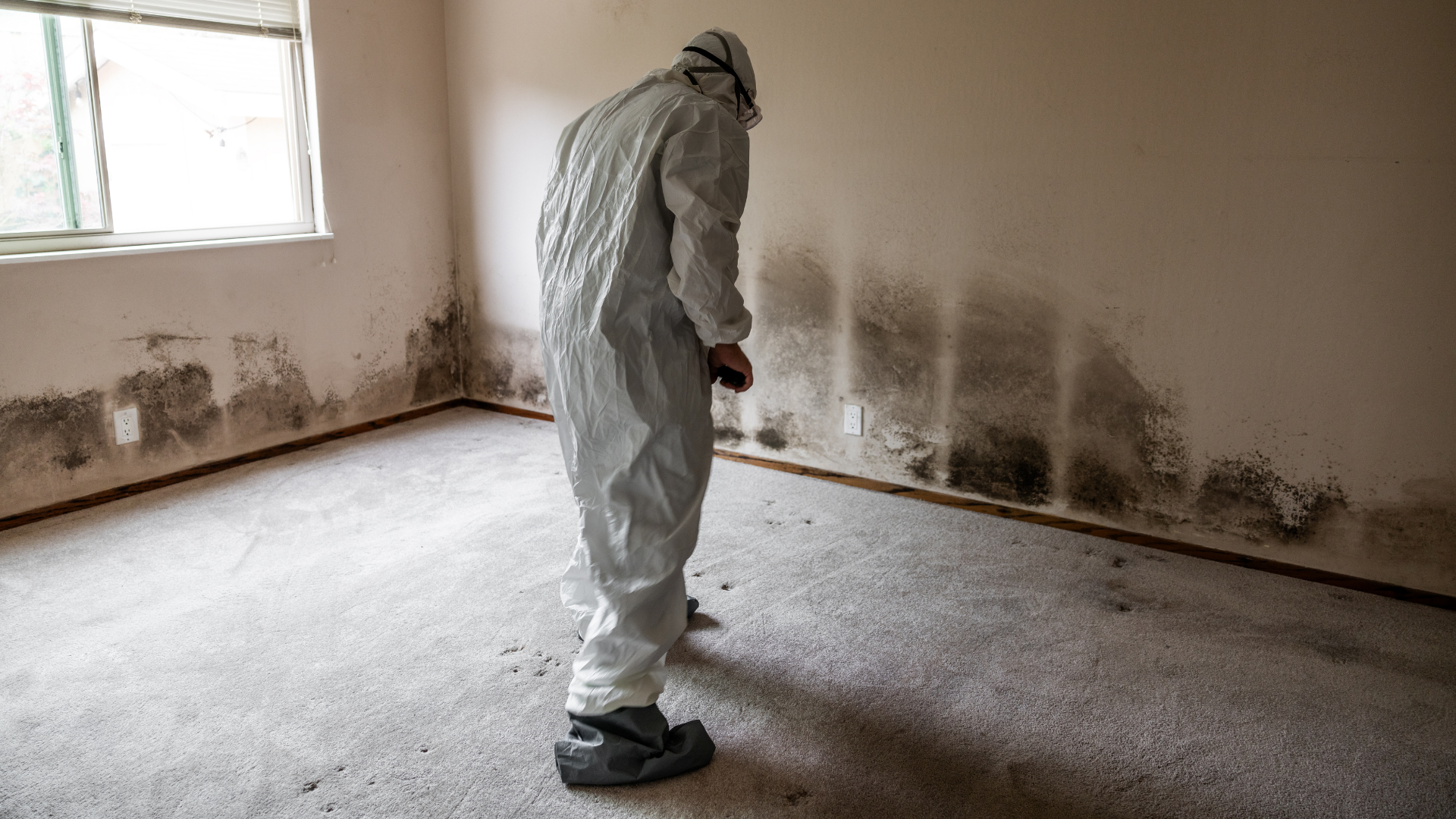
Visible discoloration on ceilings, walls, or around window frames that is not explained by a known water event. Discoloration patterns that radiate from corners or from the ceiling-wall junction are particularly indicative of moisture accumulation behind the surface.


Soft or springy flooring near bathrooms, under sinks, or in utility areas indicates that subfloor materials have absorbed moisture and may have active mold growth underneath.


Any history of a water event, including a roof leak during monsoon season, a burst pipe during a freeze, or standing water from snowmelt near the foundation, that was not followed by professional drying and inspection. Water damage that was allowed to dry on its own over days or weeks rather than through active drying equipment creates conditions where mold can establish before the visible moisture is gone.

Why Professional Remediation Matters for Established Mold

Cleaning visible mold from a surface with household products does not constitute remediation. It removes the surface colony while leaving the conditions that produced it unchanged and often spreads spores during the cleaning process into areas that were previously unaffected.


Professional mold remediation addresses three things that surface cleaning cannot. First, it identifies and eliminates the moisture source driving the growth, without which any surface treatment is temporary. Second, it removes or treats the affected materials using containment protocols that prevent spore dispersal to unaffected areas of the home. Third, it restores the building materials and moisture conditions to a state where mold cannot re-establish.


For crawl space mold in Overgaard, remediation typically involves treating affected wood members, installing or replacing vapor barriers, and addressing ventilation to prevent recurrence. For attic mold from a roof intrusion, it involves repairing the entry point, treating affected sheathing, and verifying that insulation has been dried or replaced. For wall cavity mold from window intrusion or condensation, it involves opening the affected area, removing damaged material, treating the structure, and restoring the wall assembly with appropriate moisture management.


RestorePro provides certified mold remediation throughout the Mogollon Rim communities, including Heber-Overgaard, Payson, Show Low, Snowflake, and Winslow. Because RestorePro also handles reconstruction, the remediation and the repair of affected areas can be handled by a single team without coordinating between separate contractors.

The Right Time to Call Is Before You Can See It

The pattern RestorePro encounters most often in Overgaard is a mold problem that a homeowner noticed months before calling. The musty smell was there in the spring. The discoloration showed up after the monsoon. The floor near the bathroom felt slightly soft. Each sign was noted and set aside because the visible evidence seemed minor, or because the homeowner assumed the problem would resolve on its own.


Mold does not resolve on its own. It grows or it stops growing based entirely on whether the moisture conditions that support it are present. In Overgaard's climate, those conditions recur every monsoon season and every winter. A colony that was established last August is larger this June. The right time to call for an assessment is when the first sign appears, not after the second monsoon season has passed.

Recent Posts

Workers in a narrow hallway clearing debris, with tools, ladders, and black trash bags spread around.
June 30, 2026
The decisions made in the first hours after a house fire in Payson, Show Low, or Snowflake AZ determine how much damage compounds and how smoothly the insurance claim goes. RestorePro walks you through every step.
Two white utility trucks parked beside a brick building on a gravel lot, one with a moving trailer.
June 23, 2026
Storm damage, water intrusion, mold, and fire are the property damage events Payson AZ homeowners face most. RestorePro walks you through every step of the insurance claim process and what your Arizona policy actually covers.
Two workers clearing debris in a stripped room with ladder, tools, and black trash bags
June 16, 2026
Monsoon storms, flash flooding, and winter freezes leave specific damage patterns on Snowflake AZ homes. RestorePro explains what to look for, what to document, and when to call a restoration professional.
June 13, 2026
Winter is here in Northern Arizona. Cold nights can arrive fast, and storms can move in without warning. Here is a simple guide to help you get ready for the season. Cold Nights Can Cause Frozen Pipes When the temperature drops, water lines can freeze. Frozen pipes can burst and cause a lot of water damage. Here are a few ways to prevent this: Open the doors under your sinks. Let warm air reach the pipes. Allow faucets to drip on very cold nights. Keep the heat on when you leave home. Check Your Home After Each Cold Night A freeze and thaw cycle can cause small leaks. Look under sinks. Check your bathroom floors. Look in your basement or crawl space. If anything looks wet, take action right away. Storms Can Bring Wind and Snow Winter storms can cause roof leaks and blocked gutters. Before the next storm, clear your gutters. Remove branches that hang over your roof. Make sure outside drains can move water away from your home. Be Careful While Traveling for the Holidays Many people leave town in December. Cold weather can move in while you are gone. Before you travel, keep your heat on. Ask a neighbor to check on your home. If you will be gone for a long time, think about turning off your main water valve. We Are Here If You Need Help Sometimes things still go wrong, even when you prepare. If you see a leak or notice wet floors or walls, call RestorePro. We respond quickly and can help prevent further damage. Tagged frozen pipes, home safety, northern arizona
By support June 4, 2026
After a fire, many homeowners expect the smell of smoke to disappear once visible soot is cleaned. However, smoke odor often lingers long after the cleanup is finished. In some cases, it can persist for weeks, months, or even longer if not properly treated. Understanding why smoke smells stick around can help explain why professional […] The post Why Your Home Still Smells Like Smoke After Cleanup appeared first on RestorePro.
By support May 28, 2026
When water damage occurs, most homeowners want two things: to stop the damage quickly and to understand how bad it is. A professional water damage assessment is the first step in determining the full extent of the problem and creating a plan for restoration. Many issues caused by water are not immediately visible, which is […] The post What Happens During a Professional Water Damage Assessment? appeared first on RestorePro.
By support May 15, 2026
Water and electricity are a dangerous combination. When water enters a home, one of the most serious concerns is whether it has reached electrical components such as wiring, outlets, or the breaker panel. Even small amounts of water can create hidden hazards that increase the risk of electrical shock or fire. Understanding these risks is […] The post Can Water Damage Affect Your Home’s Electrical System? appeared first on RestorePro.
By support May 5, 2026
When water damage happens in a home, most homeowners focus on drying things out as quickly as possible. What many don’t realize is that mold can begin growing much sooner than expected—sometimes within just a couple of days. Understanding how fast mold develops after water exposure is critical for preventing long-term damage to your home […] The post How Long Does Mold Take to Grow After Water Damage? appeared first on RestorePro.
By support April 23, 2026
When most homeowners discover water damage, their first concern is often how much damage has occurred. While the extent of the damage is important, restoration professionals focus on another critical factor first: the category of the water. Not all water damage is created equal. A clean water leak from a supply line poses very different […] The post Understanding Category 1, 2, and 3 Water Damage appeared first on RestorePro.
By support April 13, 2026
When disaster strikes your Northern Arizona home, paperwork is the last thing on your mind. However, how well you document your damage in those first critical hours can make or break your insurance claim.Poor documentation leads to delays and underpayment. Good documentation means a faster payout and a better chance of getting what you’re owed. […] The post How to Document Property Damage for an Insurance Claim appeared first on RestorePro.
Show More

Is Your Property Damaged Right Now? Do Not Wait.

Every hour without professional mitigation means more structural damage and higher repair costs. Whether you are dealing with standing water, fire residue, or visible mold growth, the fastest decision you can make is calling a team that is already on the way. RestorePro has certified crews on call across Payson, Show Low, Snowflake, and Winslow, ready to respond within 30 minutes of your call.