What Payson AZ Homeowners Need to Know Before Filing a Property Damage Insurance Claim
The insurance claim process is not something most Payson homeowners think about until the moment they need it. A monsoon storm pushes water through a compromised roof. A pipe bursts during a winter freeze on the Mogollon Rim. A wildfire ember lands on the deck and the damage spreads faster than expected. The event happens, and suddenly the homeowner is expected to navigate a claims process they have never navigated before, while simultaneously dealing with the stress of a damaged home and the pressure to act quickly before the damage gets worse.
The insurance claim process Payson AZ homeowners encounter after property damage has specific steps, specific documentation requirements, and specific Arizona legal protections that most policyholders do not know about until they wish they had known sooner. The homeowners who come through the process with fair settlements are not lucky. They are the ones who documented correctly, called the right people in the right order, and understood what their policy actually covers before they signed anything.
This guide covers the complete insurance claim process for property damage in Payson AZ, what Arizona law requires of your insurer, and where RestorePro fits into the process to protect your interests from the first call through the final settlement.
What Arizona Homeowners Insurance Actually Covers for Property Damage
Before filing a claim, understanding what your policy covers and what it excludes is the foundational step that determines how the entire process unfolds. Arizona homeowners policies are not uniform, and the coverage distinctions that matter most are the ones that apply to the specific types of damage that Payson properties face.
What standard Arizona homeowners policies typically cover:
- Sudden and accidental water damage: Burst pipes, leaking appliances, overflow from plumbing fixtures, and water that enters through a damaged roof or window during a storm event. According to the Arizona Department of Insurance and Financial Institutions (DIFI), water damage and mold remediation not caused by a flood may be covered if they result from a sudden or accidental event.
- Wind and hail damage: Standard homeowners policies typically cover damage from wind and hail, including roof damage, broken windows, and structural damage from falling trees or debris. DIFI notes that some policies have specific windstorm or hail deductibles that differ from the standard deductible.
- Fire and smoke damage: Homeowners insurance generally covers damage from fire and smoke, including the structure, personal property, and additional living expenses if the home becomes uninhabitable during restoration.
- Additional living expenses: If covered damage makes your home uninhabitable, your policy's ALE coverage pays for temporary housing, meals, storage, and other displacement costs over and above your usual living expenses, for the duration of the restoration.
What standard Arizona policies do not cover:
- Flood damage from rising surface water: According to DIFI, flood damage from rising surface water is excluded from virtually all standard homeowners and renters policies. Flood insurance must be purchased separately, typically through the National Flood Insurance Program. For Payson homeowners in low-lying areas near the East Verde River or in flash flood zones that monsoon season activates, this distinction is critical. Water that enters through a storm-damaged roof is generally covered. Water that rises from the ground is not.
- Gradual leaks and maintenance-related damage: Insurance covers sudden events, not gradual deterioration. A pipe that has been slowly leaking for months before it fails significantly is a claim that insurers will scrutinize for evidence of pre-existing conditions and inadequate maintenance. The documentation showing the pipe failed suddenly rather than gradually is what determines coverage.
- Pre-existing mold from long-term moisture: Mold that developed from a gradual moisture source, rather than from a covered sudden event, is typically excluded. Mold that developed as a direct result of a covered water event is generally included in the claim scope.
The policy review step most homeowners skip:
Reading the declarations page and the coverage sections of your policy before a damage event occurs is the single most effective preparation a Payson homeowner can do. Knowing your deductibles, your coverage limits, your exclusions, and your insurer's claim notification requirements before you need to file means you are not learning the rules of the process under stress while your home has active damage.
Step 1: Document Everything Before Anyone Touches Anything
The documentation created in the hours immediately following a damage event is the foundation of every successful insurance claim. It is also the documentation that cannot be recreated after the fact.
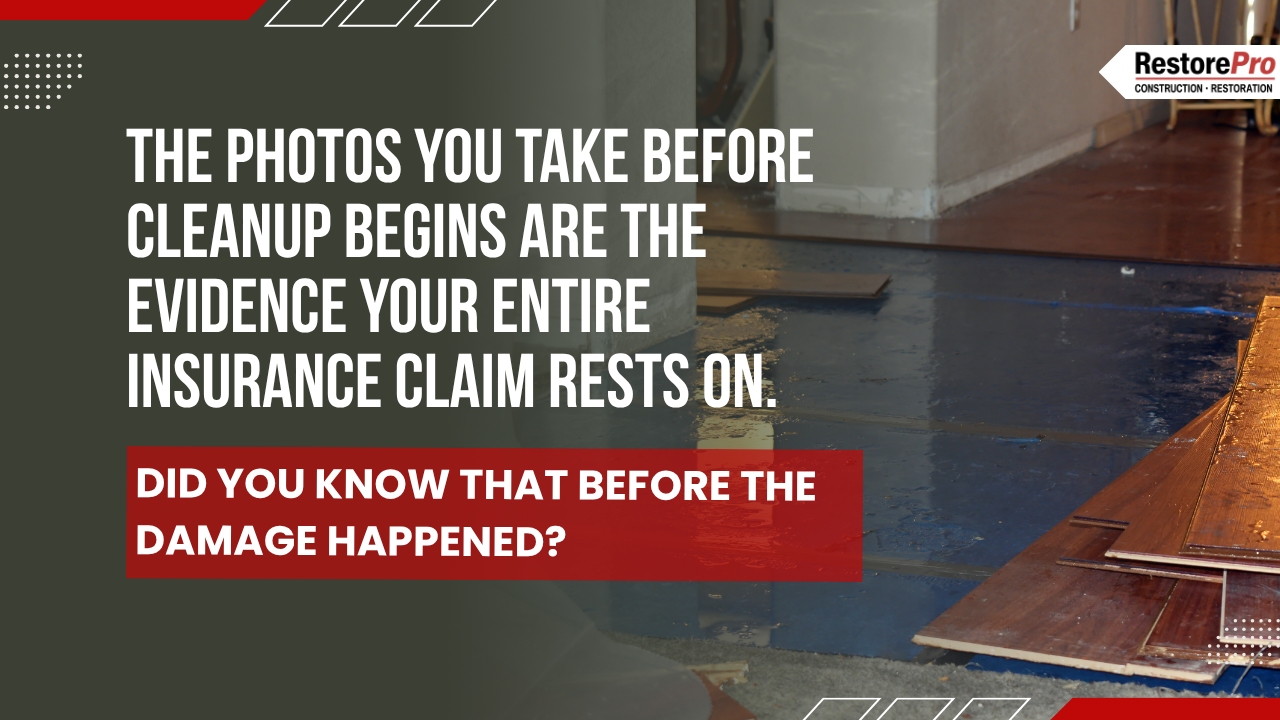
According to DIFI, homeowners should take pictures of the damage before any water mitigation, plumbers, or restoration contractors show up. This is not just a recommendation. It is the evidence standard that adjusters use to evaluate the pre-remediation condition of the property. Once cleanup begins, the visual record of the original damage condition is gone.
What thorough documentation covers:
- Wide-angle photographs of every affected room and area: Establishing context and showing the full scope of damage in each space before anything is moved, cleaned, or removed
- Close-up photographs of specific damage: Water lines, structural damage, damaged materials, and any evidence of the damage source
- Video walkthrough of the entire affected area: A continuous video walkthrough supplements still photographs by showing the spatial relationship between damaged areas and capturing conditions that individual photographs may not communicate
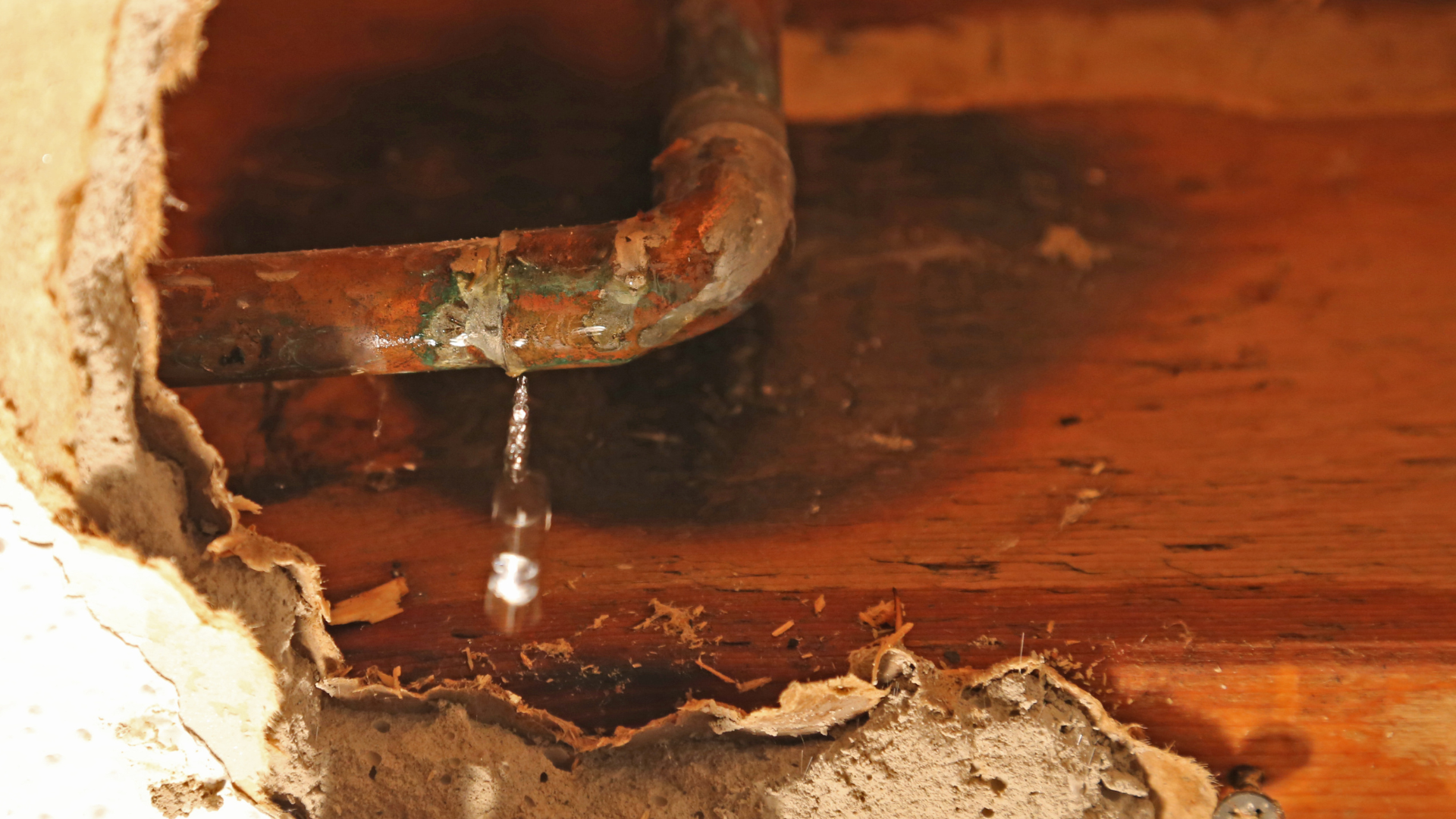
- Photographs of the damage source: The roof penetration, the burst pipe, the origin point of fire damage, or whatever caused the event, documented before it is repaired
- Photographs of damaged personal property in place: Furniture, appliances, electronics, clothing, and other personal property should be photographed in their damaged state and in their location within the home before they are moved
- Date and time stamps on all documentation: Phone camera photos automatically capture date and time metadata. Ensure your phone's date and time are correctly set before documenting.
What not to do before documentation is complete:
Do not begin cleanup, remove damaged materials, or allow any contractor to start work before the pre-remediation documentation is thorough and complete. Do not dispose of any damaged materials before they have been photographed and inventoried. Do not sign any contractor agreement before you understand exactly what you are signing. According to DIFI, homeowners should never sign a contract with blank spaces or give out personal financial information to someone they have not vetted.
Step 2: Report the Claim to Your Insurer Promptly
After documentation is complete and immediate safety concerns have been addressed, contact your insurance carrier to report the damage event. Most policies have notice-of-loss requirements that specify the timeframe within which you must report a claim, and failing to report promptly can affect coverage.
What to communicate when reporting the claim:
- The date and time of the damage event
- A brief description of what happened and what caused the damage
- The general scope of visible damage, without speculating about hidden damage that has not yet been assessed
- Your contact information and the best way to reach you
What you do not need before reporting:
You do not need a completed damage assessment, contractor estimates, or a full inventory of damaged items before notifying your carrier. Report the event promptly and let the documentation and assessment follow. The claim number you receive when reporting becomes the reference for all subsequent documentation and communication.
Step 3: Understand Your Rights Under Arizona Law
Arizona has specific legal protections for policyholders in the insurance claim process that most homeowners are unaware of. The Arizona Department of Insurance and Financial Institutions enforces these protections and is the resource for homeowners who believe their claim is being handled incorrectly.
Key Arizona policyholder rights in the property damage claim process:
- The right to choose your own contractor: According to DIFI, you have the right to choose your own licensed contractor for repairs. Your insurer may recommend a contractor, but you are not required to use their preferred vendor. The insurer is responsible for paying for covered repairs regardless of which licensed contractor you choose.
- The right to prompt claim handling: Arizona law requires insurers to act promptly on claims. DIFI notes that if you feel your claim is being unnecessarily delayed, you can file a complaint with the department. The Arizona Administrative Code establishes specific timeframes for insurer response and payment that carriers must meet.
- The right to a complete scope of covered repairs: Your policy entitles you to restoration to pre-loss condition for covered damage. This means like-kind and quality replacement of damaged materials, not a lower-grade substitute. An adjuster who substitutes inferior materials in the estimate is producing a scope that does not reflect your policy entitlement.
- The right to dispute the settlement amount: If you disagree with the insurer's settlement offer, your policy includes an appraisal clause that provides a mechanism for resolving disputes about the dollar amount of covered loss. Invoking the appraisal clause does not require litigation and can resolve scope and pricing disputes without the time and cost of a lawsuit.
- The right to file a complaint with DIFI: If your insurer is delaying unreasonably, denying coverage incorrectly, or otherwise handling your claim in a way that violates Arizona insurance law, you can file a complaint with DIFI at difi.az.gov. The department investigates complaints and can take action against insurers that are violating the law.
Step 4: The Adjuster Inspection and What to Watch For
After you file the claim, your insurer will assign an adjuster to inspect the damage and prepare an estimate of the covered scope. The adjuster works for the insurance company, not for you. Their assessment determines the starting point for your settlement, and it is not always comprehensive.
Common gaps in adjuster inspections:
- Hidden moisture that thermal imaging or moisture meters would reveal: Adjusters conducting quick visual inspections frequently miss moisture that has migrated into wall cavities, subfloors, and insulation beyond the visibly wet surfaces. Insurance companies have teams working to minimize payouts, and a quick inspection that misses concealed damage produces a settlement that does not cover the full restoration.
- Secondary damage from the original event: A roof intrusion during a monsoon storm that damaged the ceiling may also have reached the wall framing, the insulation, and the floor assembly below the affected ceiling. An adjuster who documents only the ceiling damage is producing an incomplete scope.
- Code upgrade requirements: When building materials are replaced during restoration, Arizona building code may require that the replacement meet current code standards, which can differ from what was originally installed. Your policy may include ordinance or law coverage that pays for these code upgrade costs. An adjuster who does not include code upgrade requirements in the scope is producing an estimate that may not cover the full legal cost of the restoration.
- Contents damage: Personal property damaged by a covered event is covered under the contents portion of your policy. Contents claims are frequently undervalued because homeowners do not document and submit them completely. Every item of damaged personal property should be inventoried with description, approximate age, and replacement value.
What to do during and after the adjuster inspection:
Be present during the inspection and walk the adjuster through every area of damage you have documented. Provide your photographic documentation. Ask the adjuster to explain what is being included and excluded in the scope and why. After the inspection, request a copy of the adjuster's estimate in writing. Review it against your documentation and identify any items you believe were missed before accepting the settlement.
Step 5: Professional Restoration Documentation and Its Role in the Claim
A licensed restoration company that documents damage thoroughly as part of its standard process produces documentation that strengthens the insurance claim in ways that homeowner-generated documentation alone typically cannot.
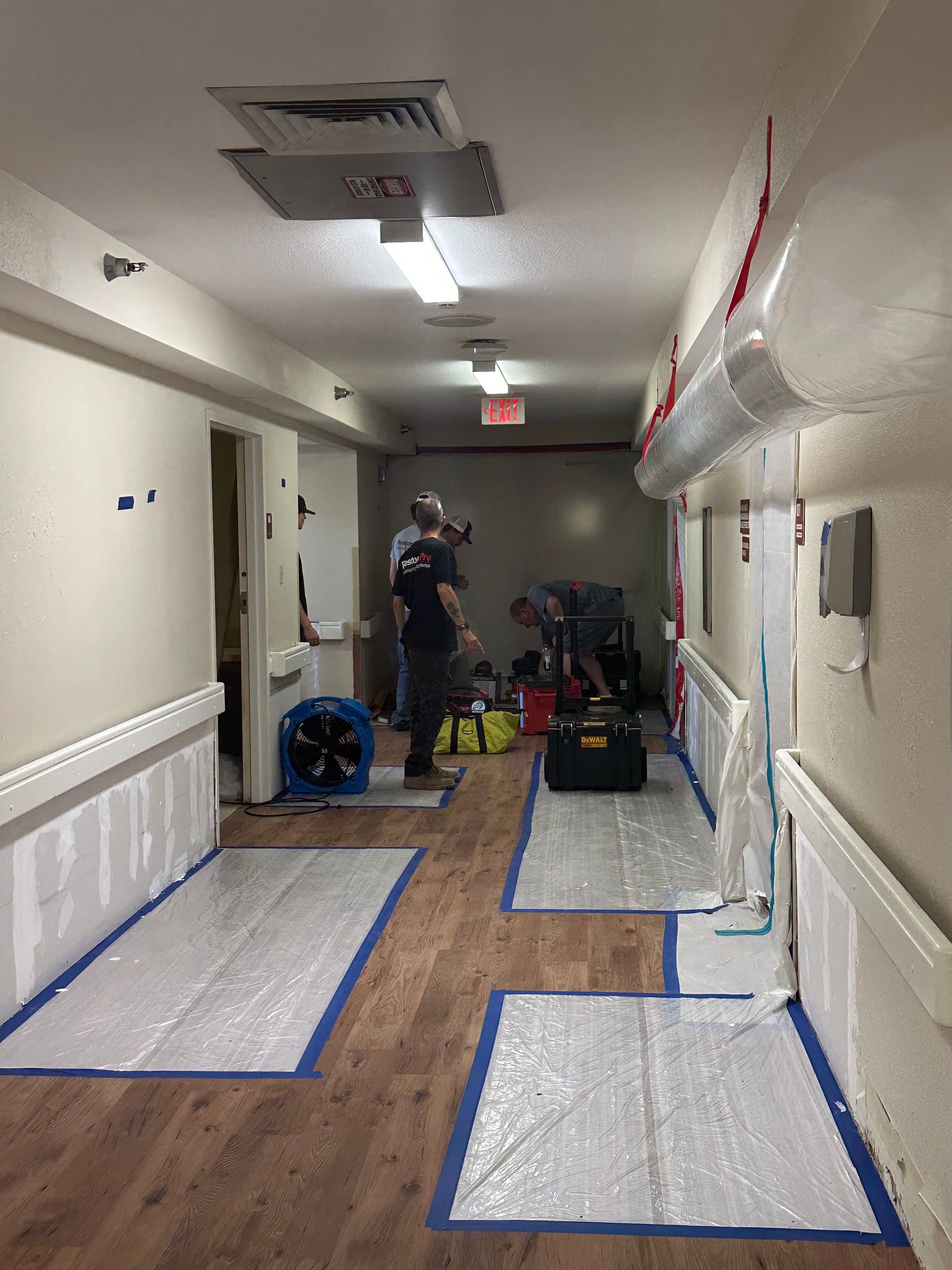
RestorePro's assessment process includes moisture mapping of affected areas using professional moisture meters and thermal imaging, structural damage documentation by category, photographic documentation formatted for adjuster review, and written scope of work that corresponds to the damage documented.
This professional documentation serves multiple purposes in the claim process:
- It identifies damage that the adjuster may have missed, providing the basis for a supplement claim that expands the scope to cover hidden or secondary damage
- It establishes the pre-remediation condition in professional terms that insurance adjusters and claims software recognize
- It documents the necessity of each line item in the restoration scope, which is what the insurer needs to approve additional scope beyond the initial estimate
- It supports the homeowner's position in any dispute about whether specific work was necessary and whether the cost is appropriate for the scope
The Claim Mistakes Payson Homeowners Most Commonly Make
Waiting too long to report: Most policies have prompt notice requirements, and delayed reporting can affect coverage for damage that occurred or worsened during the delay.
Cleaning up before documenting: Once the pre-remediation condition is gone, it cannot be recreated. The documentation done before any cleanup begins is the evidence the entire claim rests on.
Signing assignment of benefits agreements without understanding them: Some restoration contractors ask homeowners to sign AOB agreements that transfer the right to collect insurance proceeds directly to the contractor. These agreements can complicate the claim process significantly. Understand exactly what any document transfers before signing it.
Accepting the first settlement offer without review: The initial adjuster estimate is a starting point, not a final settlement. If the scope misses damage items, undervalues materials, or excludes covered elements, a supplement claim can be filed with supporting documentation.
Using an unlicensed contractor: Arizona law requires that contractors performing restoration work be licensed with the Arizona Registrar of Contractors. According to DIFI, homeowners should verify that any contractor's license is active and in good standing with the AZ ROC before work begins.
How RestorePro Supports the Insurance Claim Process in Payson AZ
RestorePro serves Payson and the surrounding Mogollon Rim communities including Heber, Star Valley, Payson, Show Low, Snowflake, and Winslow. For property damage claims involving water damage, storm damage, mold remediation, fire damage, and smoke damage, RestorePro provides:
- Free damage assessment that includes professional moisture mapping and documentation before any remediation work begins
- Written assessment findings and photographic documentation formatted for insurance adjuster review
- Scope of work documentation that supports the claim for each category of covered damage
- Direct communication with insurance adjusters when additional documentation is needed to support a supplement claim
- Licensed, insured restoration services by a contractor whose license is active and in good standing with the Arizona Registrar of Contractors
The homeowners who navigate the insurance claim process in Payson AZ most successfully are the ones who called a licensed restoration professional early, documented everything before cleanup began, and understood what Arizona law requires of their insurer before they accepted a settlement. RestorePro is the team that makes that process navigable from the first call through the final payment.
Recent Posts



RESTOREPRO
Is Your Property Damaged Right Now? Do Not Wait.
Every hour without professional mitigation means more structural damage and higher repair costs. Whether you are dealing with standing water, fire residue, or visible mold growth, the fastest decision you can make is calling a team that is already on the way. RestorePro has certified crews on call across Payson, Show Low, Snowflake, and Winslow, ready to respond within 30 minutes of your call.