Black construction crane lifting a black building icon, with a city skyline silhouette

Understanding Category 1, 2, and 3 Water Damage

support • April 23, 2026

Share this article

When most homeowners discover water damage, their first concern is often how much damage has occurred. While the extent of the damage is important, restoration professionals focus on another critical factor first: the category of the water.


Not all water damage is created equal. A clean water leak from a supply line poses very different risks than sewage backup or floodwater entering a home. Understanding the three categories of water damage can help homeowners make informed decisions about safety, cleanup, and restoration.

What Are Water Damage Categories?

The restoration industry classifies water losses into three categories based on the level of contamination present in the water source. These categories help determine the proper cleanup methods, safety precautions, and restoration procedures needed to return a property to a safe condition.


The longer water sits, the more likely it is to become contaminated and move into a higher category. That’s one reason rapid response is so important after any water intrusion event.

Category 1: Clean Water

Category 1 water originates from a sanitary source and does not pose a substantial health risk to humans.


Common examples include:


  • Broken water supply lines
  • Overflowing sinks without contaminants
  • Leaking faucets
  • Appliance supply line failures
  • Ice maker line leaks

Because Category 1 water starts clean, many homeowners assume cleanup is simple. However, even clean water can cause significant property damage if not addressed quickly.


Drywall, insulation, flooring, cabinets, and structural materials can absorb moisture rapidly. Within a short period of time, standing water can create conditions that support mold growth and material deterioration.


In addition, Category 1 water can become contaminated if it remains untreated for too long.

Category 2: Gray Water

Category 2 water contains a significant level of contamination and may cause discomfort or illness if ingested or exposed to sensitive individuals.


This type of water often contains microorganisms, chemicals, or biological contaminants.


Common sources include:


  • Washing machine overflows
  • Dishwasher discharges
  • Toilet overflows containing urine but no feces
  • Sump pump failures
  • Water from aquariums

Gray water requires more extensive cleaning and disinfection procedures than Category 1 losses.


Materials that have absorbed contaminated water may need specialized cleaning or removal depending on the extent of exposure.


Homeowners should avoid direct contact with gray water whenever possible and allow trained professionals to evaluate the affected areas.

Category 3: Black Water

Category 3 water is considered grossly contaminated and can contain harmful bacteria, viruses, parasites, and other dangerous substances.


This category presents serious health risks and should be treated as a hazardous condition.


Examples of Category 3 water include:


  • Sewage backups
  • Toilet overflows containing fecal matter
  • Floodwater entering from outside
  • Water from rivers, streams, or storm runoff
  • Standing water that has become heavily contaminated

Black water can carry pathogens capable of causing severe illness. Direct exposure should be avoided, and contaminated materials often require removal and replacement.


Professional protective equipment, containment procedures, and specialized cleaning methods are typically necessary during restoration.

How Water Categories Can Change

One of the most important facts homeowners should understand is that water categories are not permanent.


A Category 1 water loss can quickly deteriorate into Category 2 or Category 3 conditions if moisture remains untreated.


Several factors can accelerate contamination:


  • Extended standing water
  • Elevated temperatures
  • Contact with building materials
  • Exposure to bacteria and microorganisms
  • Organic material breakdown

This is why restoration professionals emphasize immediate mitigation rather than waiting several days to assess the situation.

Why Proper Classification Matters

The category of water affects every step of the restoration process.


It influences:


  • Safety precautions
  • Personal protective equipment requirements
  • Cleaning procedures
  • Drying protocols
  • Material removal decisions
  • Restoration costs

Treating contaminated water damage as if it were a clean water loss can create health hazards and leave hidden contamination behind.


Proper assessment helps ensure the property is restored safely and thoroughly.

Signs You Need Professional Water Damage Restoration

Regardless of the category, professional restoration may be necessary if:


  • Water has affected multiple rooms
  • Moisture has entered walls or flooring
  • Water has been present for more than 24 hours
  • Mold growth is visible
  • Contaminated water is involved
  • Sewage or floodwater has entered the property

Specialized drying equipment and moisture detection tools can identify hidden water that may not be visible on the surface.

Protecting Your Home After Water Damage

The sooner water damage is addressed, the better the outcome is likely to be. Quick action can reduce structural damage, minimize restoration costs, and help prevent mold growth.


If you experience a water loss, avoid assuming the water is harmless simply because it appears clean. Determining the category of water is an important first step in developing an effective restoration plan.


Professional assessment can help identify contamination risks and ensure your property is restored to a safe, healthy condition.

Recent Posts

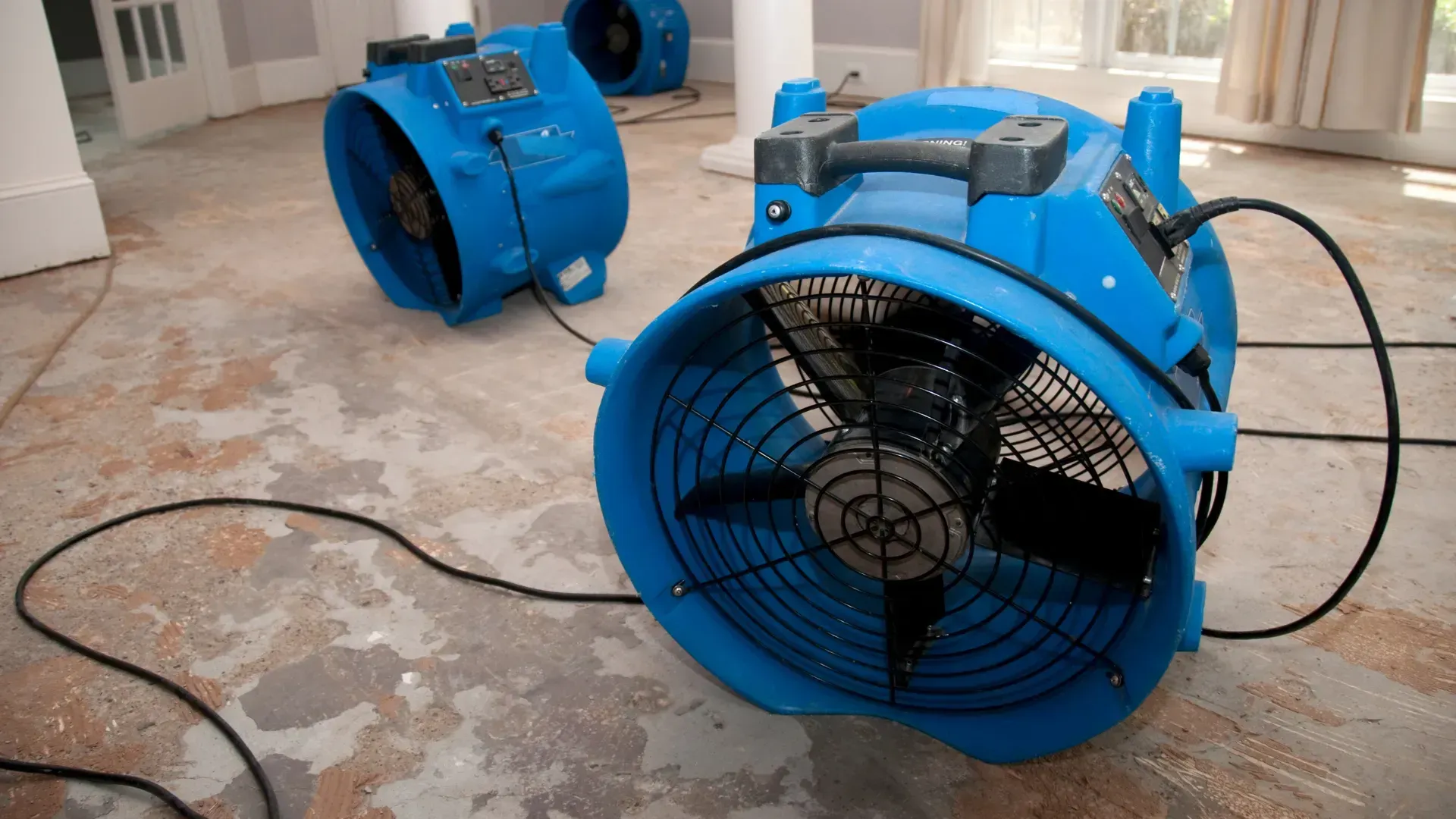
Two blue industrial air movers on a carpeted floor, one facing forward with a visible fan.
August 10, 2026
DIY water cleanup can miss hidden moisture and mold risk. Restore Pro explains which situations need professional water damage restoration in Winslow AZ.
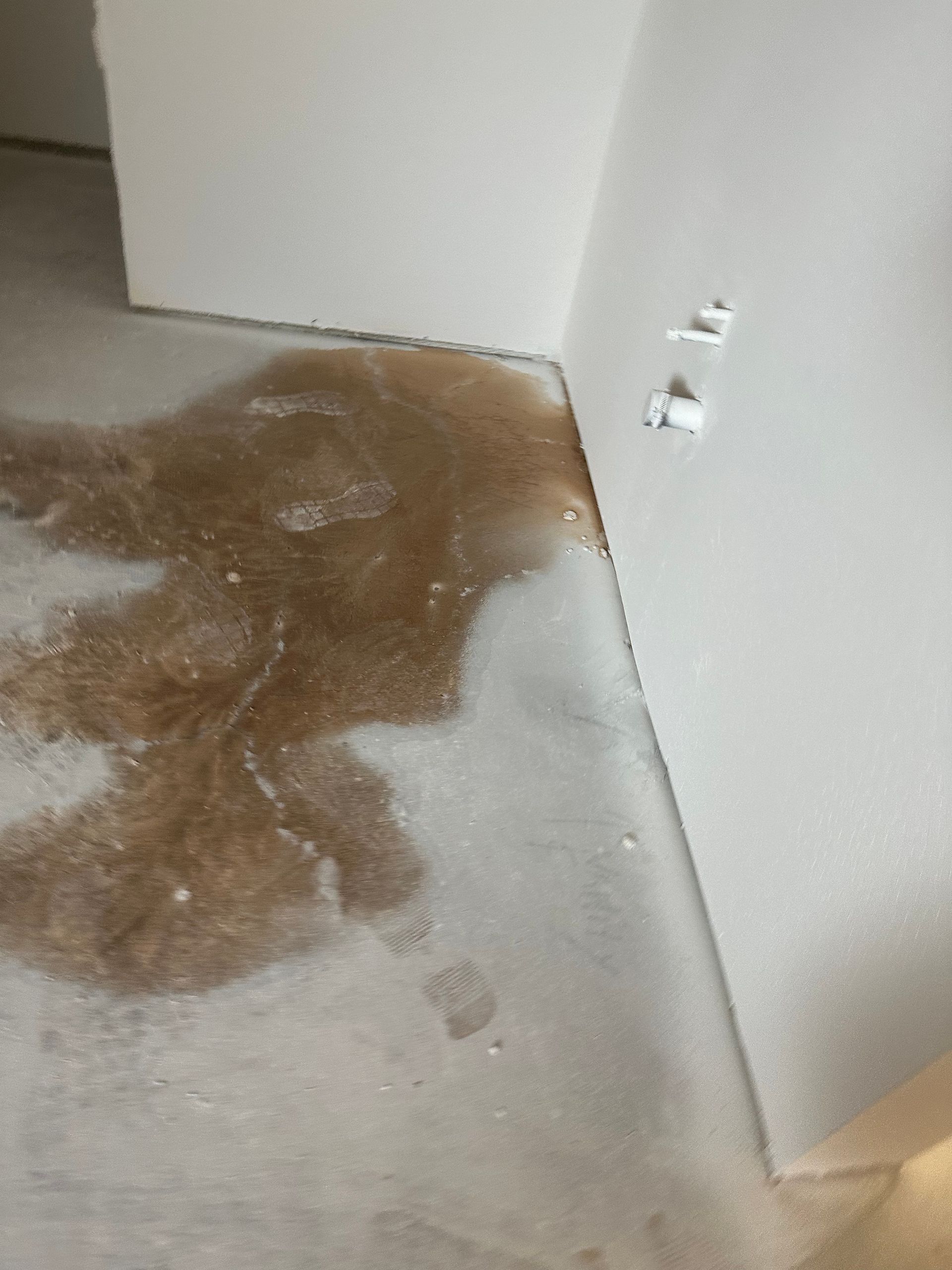
Brown water stain spreading across a carpet near a wall and electrical outlet.
August 4, 2026
Water damage hides in a Payson AZ home long before it shows. RestorePro reveals 5 hidden signs homeowners overlook until they become a costly problem.
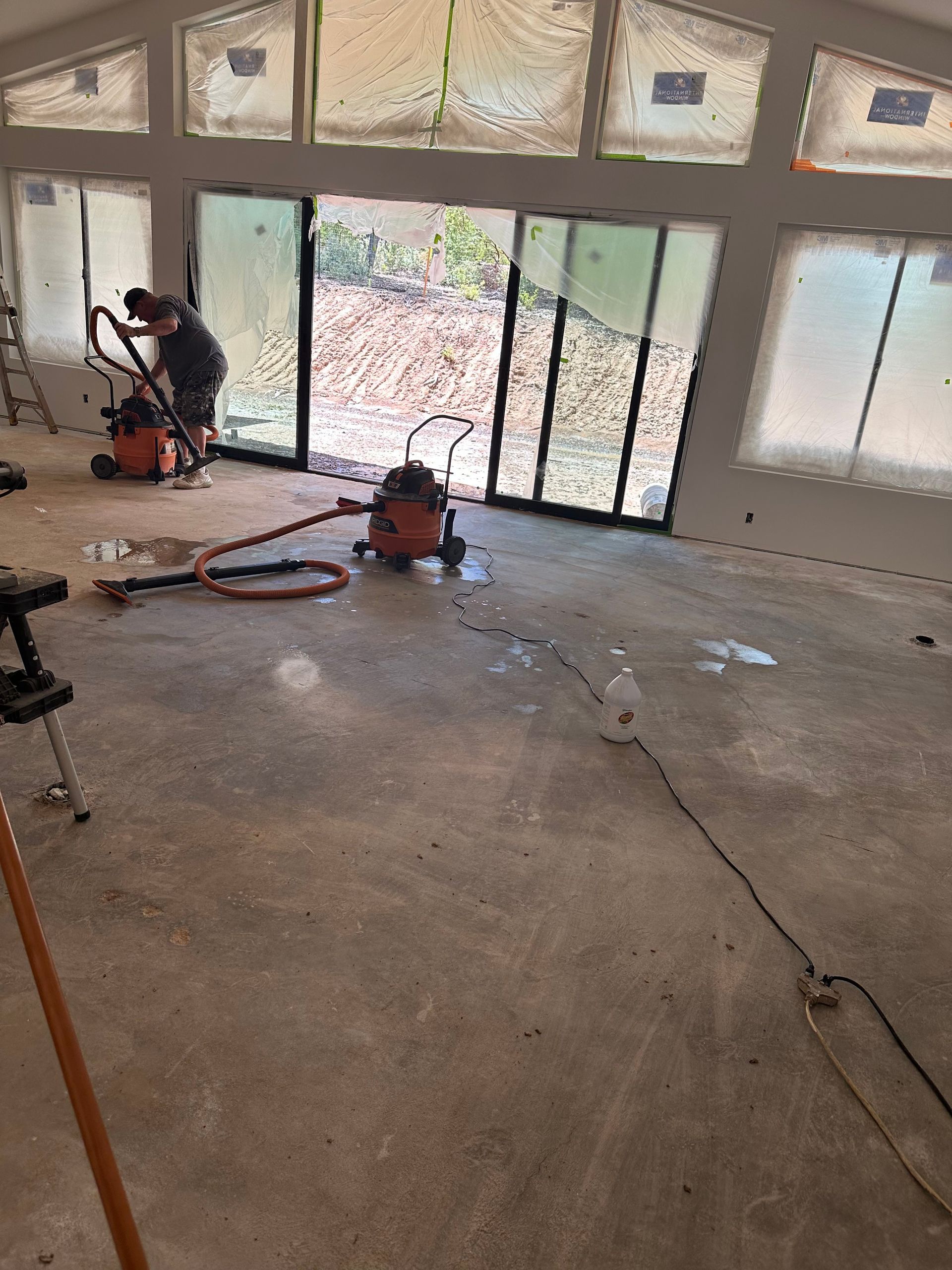
Indoor construction area with concrete floor, large windows, and tools/equipment near the wall
July 28, 2026
After a wildfire, a Snowflake AZ home can look fine but still hold smoke residue for months. RestorePro explains what DIY cleanup misses and when to call.

Mold-damaged dining room with stained walls, peeling paint, chandelier, and debris on the floor
July 22, 2026
Show Low sees intense monsoon rain from July–Sept. RestorePro explains why it causes mold, key signs to spot at home, and what to do if mold has started.
Unfinished wooden room interior with exposed beams, tools on floor, and forest visible through large window openings
July 14, 2026
Most Northern AZ homeowners call insurance right after property damage. RestorePro explains why it costs more, what to do instead, and how AZ claims work.
Damaged kitchen with burned ceiling, broken window, and debris around the sink and counters
July 9, 2026
Storm damage in Payson, Show Low, or Snowflake isn't always obvious. RestorePro covers 6 hidden types and what to do after every monsoon or winter storm.
Workers in a narrow hallway clearing debris, with tools, ladders, and black trash bags spread around.
June 30, 2026
First hours after a house fire in Payson, Show Low, or Snowflake AZ shape damage and claims. RestorePro walks you through every step to protect your home.
Two white utility trucks parked beside a brick building on a gravel lot, one with a moving trailer.
June 23, 2026
Storms, water, mold, and fire are top property damage events in Payson AZ. RestorePro explains every step of the claims process and what your policy covers.
Two workers clearing debris in a stripped room with ladder, tools, and black trash bags
June 16, 2026
Monsoons, flooding, and winter freezes leave hidden damage on Snowflake AZ homes. RestorePro covers what to look for, document, and when to call a pro.
June 13, 2026
Northern AZ winters bring freezing temps, ice dams, and pipe bursts. RestorePro explains what to watch for and how to protect your home all season long.
Show More

Is Your Property Damaged Right Now? Do Not Wait.

Every hour without professional mitigation means more structural damage and higher repair costs. Whether you are dealing with standing water, fire residue, or visible mold growth, the fastest decision you can make is calling a team that is already on the way. RestorePro has certified crews on call across Payson, Show Low, Snowflake, and Winslow, ready to respond within 30 minutes of your call.