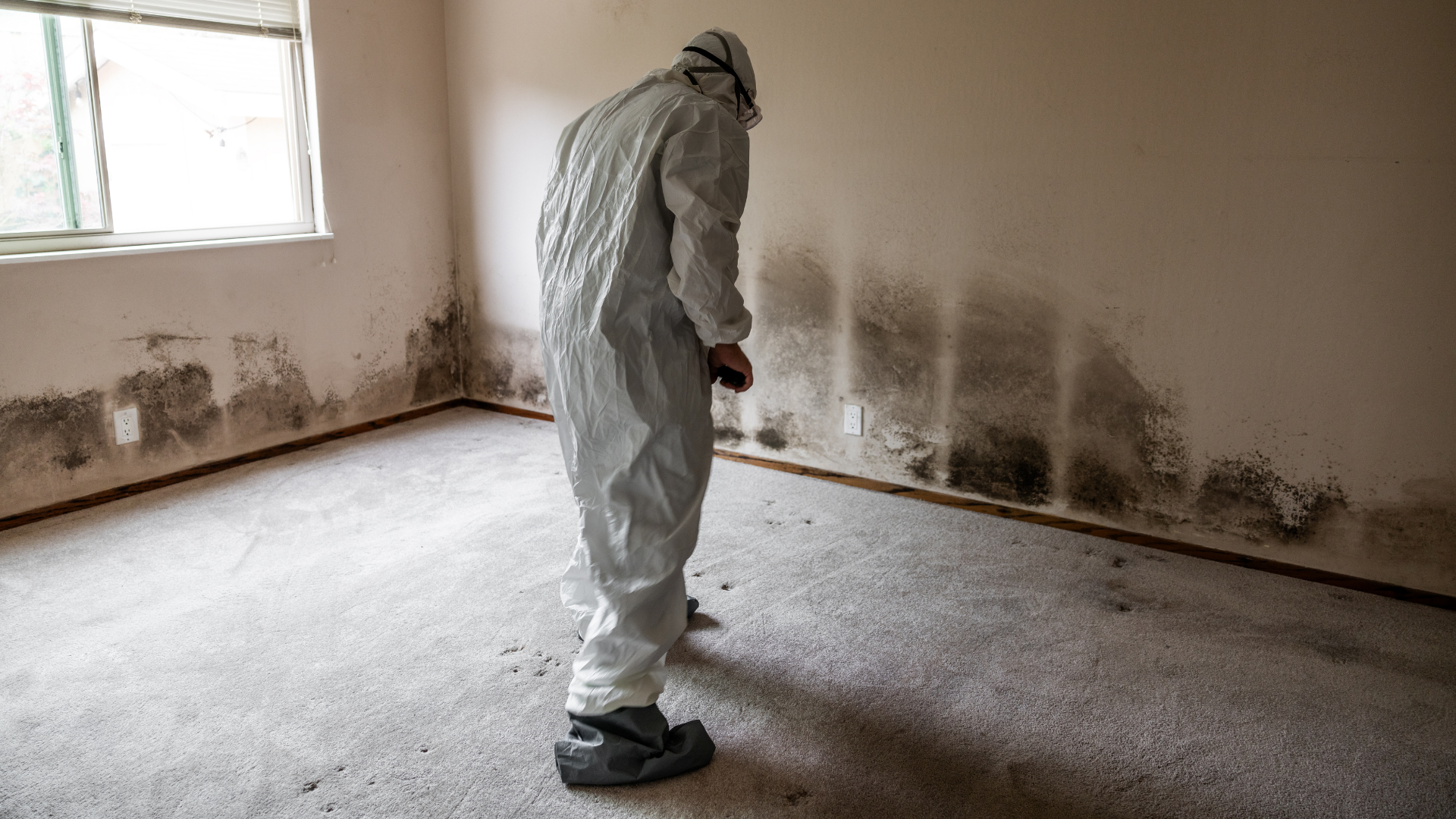
You found mold in your bathroom. Or maybe you noticed a musty smell in your basement. It doesn’t seem like a huge problem yet, so you figure you’ll deal with it later. But mold doesn’t wait, and the longer you put off remediation, the more it costs you in ways that go far beyond the initial cleanup bill.
Here’s what delaying mold remediation actually costs Northern Arizona homeowners.
Health Problems That Get Worse Over Time
Mold releases spores into the air, and when you breathe them in, they can cause respiratory problems, allergic reactions, headaches, and fatigue. For people with asthma or compromised immune systems, mold exposure can trigger serious health complications.
The longer mold grows in your home, the more spores accumulate in the air you breathe every day. What starts as occasional sneezing or a persistent cough can develop into chronic respiratory issues that require medical treatment. Those doctor visits, medications, and potential emergency room trips add up fast.
Children and elderly family members are especially vulnerable. If someone in your household is constantly sick and you can’t figure out why, unaddressed mold might be the cause.
Mold Spreads Faster Than You Think
Mold doesn’t stay contained. Once it establishes itself in one area, it sends spores into the air that land on other surfaces and start new colonies. A small patch of mold in your bathroom can spread to adjacent walls, into your HVAC system, and throughout your home within weeks.
The more mold spreads, the more extensive the remediation process becomes. What could have been a localized cleanup in one room turns into a whole-house project that requires containment barriers, air filtration, and removal of contaminated materials in multiple areas. The cost difference between treating one room and treating an entire home can be tens of thousands of dollars.
Structural Damage to Your Home
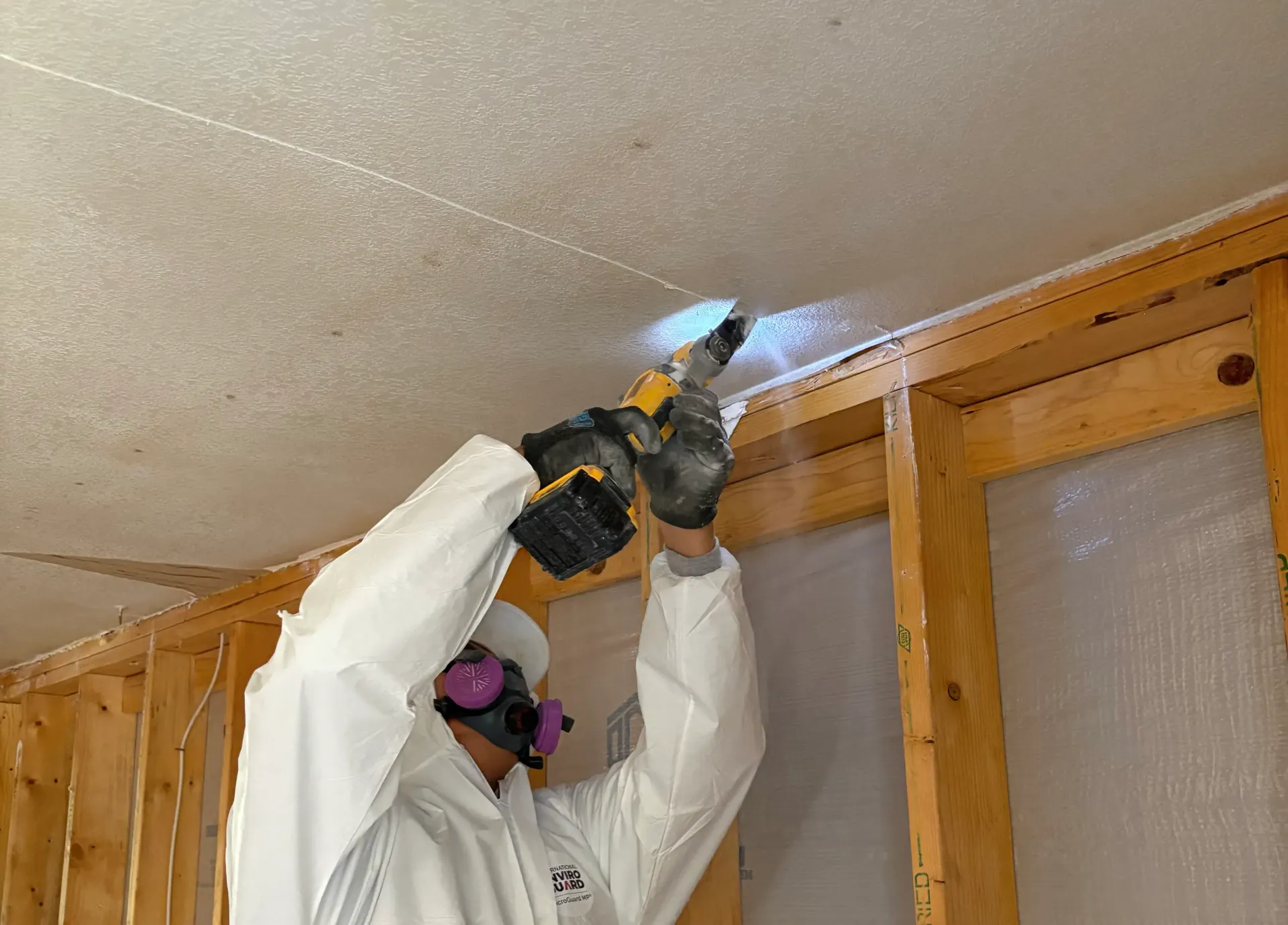
Mold feeds on organic materials like wood, drywall, insulation, and even fabric. As it grows, it breaks down these materials, weakening the structural integrity of your home. Wooden floor joists, wall studs, and roof decking can all be compromised by mold growth.
If mold is growing behind your walls or under your floors, you might not see the damage until it’s severe. By the time you address it, you’re not just paying for mold remediation. You’re also paying for structural repairs, replacement framing, new drywall, and potentially even foundation work.
In Northern Arizona, where many homes have crawl spaces and wooden construction, mold can do serious damage if it’s allowed to grow unchecked.
Your Insurance May Not Cover It
Most homeowner’s insurance policies cover sudden, accidental damage like a burst pipe or storm-related water intrusion. But if mold develops because you didn’t address a known moisture problem or because you delayed fixing a leak, your insurance company can deny your claim.
Insurance adjusters look for evidence of neglect. If they determine that mold grew because you failed to take action, you’ll be on the hook for the entire remediation and repair cost yourself. What could have been a covered claim becomes an out-of-pocket expense that can run into the tens of thousands.
Even if your policy does cover mold remediation, most have strict limits on mold-related claims, often capping coverage at $10,000 or less. If the damage exceeds that amount, you’re paying the difference.
Your Home Loses Value
Mold is one of the biggest red flags for homebuyers. If you try to sell your home with a known mold problem, you’re legally required to disclose it in most states. Buyers will either walk away entirely or demand significant price reductions and proof of professional remediation before they’ll consider closing.
Even after mold has been remediated, the stigma remains. Buyers worry about recurring issues, and appraisers take mold history into account when valuing a property. Delaying mold remediation doesn’t just cost you now. It costs you when it’s time to sell.
You found mold in your bathroom. Or maybe you noticed a musty smell in your basement. It doesn’t seem like a huge problem yet, so you figure you’ll deal with it later. But mold doesn’t wait, and the longer you put off remediation, the more it costs you in ways that go far beyond the initial cleanup bill.
Here’s what delaying mold remediation actually costs Northern Arizona homeowners.
Health Problems That Get Worse Over Time
Mold releases spores into the air, and when you breathe them in, they can cause respiratory problems, allergic reactions, headaches, and fatigue. For people with asthma or compromised immune systems, mold exposure can trigger serious health complications.
The longer mold grows in your home, the more spores accumulate in the air you breathe every day. What starts as occasional sneezing or a persistent cough can develop into chronic respiratory issues that require medical treatment. Those doctor visits, medications, and potential emergency room trips add up fast.
Children and elderly family members are especially vulnerable. If someone in your household is constantly sick and you can’t figure out why, unaddressed mold might be the cause.
Mold Spreads Faster Than You Think
Mold doesn’t stay contained. Once it establishes itself in one area, it sends spores into the air that land on other surfaces and start new colonies. A small patch of mold in your bathroom can spread to adjacent walls, into your HVAC system, and throughout your home within weeks.
The more mold spreads, the more extensive the remediation process becomes. What could have been a localized cleanup in one room turns into a whole-house project that requires containment barriers, air filtration, and removal of contaminated materials in multiple areas. The cost difference between treating one room and treating an entire home can be tens of thousands of dollars.
Structural Damage to Your Home
Mold feeds on organic materials like wood, drywall, insulation, and even fabric. As it grows, it breaks down these materials, weakening the structural integrity of your home. Wooden floor joists, wall studs, and roof decking can all be compromised by mold growth.
If mold is growing behind your walls or under your floors, you might not see the damage until it’s severe. By the time you address it, you’re not just paying for mold remediation. You’re also paying for structural repairs, replacement framing, new drywall, and potentially even foundation work.
In Northern Arizona, where many homes have crawl spaces and wooden construction, mold can do serious damage if it’s allowed to grow unchecked.
Your Insurance May Not Cover It
Most homeowner’s insurance policies cover sudden, accidental damage like a burst pipe or storm-related water intrusion. But if mold develops because you didn’t address a known moisture problem or because you delayed fixing a leak, your insurance company can deny your claim.
Insurance adjusters look for evidence of neglect. If they determine that mold grew because you failed to take action, you’ll be on the hook for the entire remediation and repair cost yourself. What could have been a covered claim becomes an out-of-pocket expense that can run into the tens of thousands.
Even if your policy does cover mold remediation, most have strict limits on mold-related claims, often capping coverage at $10,000 or less. If the damage exceeds that amount, you’re paying the difference.
Your Home Loses Value
Mold is one of the biggest red flags for homebuyers. If you try to sell your home with a known mold problem, you’re legally required to disclose it in most states. Buyers will either walk away entirely or demand significant price reductions and proof of professional remediation before they’ll consider closing.
Even after mold has been remediated, the stigma remains. Buyers worry about recurring issues, and appraisers take mold history into account when valuing a property. Delaying mold remediation doesn’t just cost you now. It costs you when it’s time to sell.
Energy Efficiency Takes a Hit
Mold often grows in insulation, particularly in attics, crawl spaces, and wall cavities where moisture accumulates. Once insulation becomes contaminated, it loses its ability to regulate temperature effectively. Your heating and cooling systems have to work harder to maintain comfort, which drives up your energy bills.
Contaminated insulation eventually needs to be removed and replaced, adding another line item to your remediation costs. If you had addressed the moisture problem and mold growth early, you could have avoided losing your insulation entirely.
The Smell Never Really Goes Away
Mold has a distinct musty odor that permeates everything it touches. Carpets, furniture, clothing, and even books can absorb the smell. You might get used to it, but visitors notice immediately.
Professional mold remediation includes air scrubbing and odor treatment, but if mold has been growing for months or years, the smell can be nearly impossible to eliminate without replacing affected materials. That means new carpets, new furniture, and potentially new belongings, all because the problem wasn’t handled when it was small.
What You Should Do Instead
If you find mold in your home, don’t wait. Call a professional mold remediation company to assess the situation, identify the moisture source, and remove the mold safely. The sooner you act, the less damage mold can do and the lower your remediation costs will be.
At RestorePro, we’re certified in mold remediation and we’ve worked on homes throughout Northern Arizona. We don’t just remove mold. We identify what caused it, fix the underlying problem, and make sure it doesn’t come back.Mold often grows in insulation, particularly in attics, crawl spaces, and wall cavities where moisture accumulates. Once insulation becomes contaminated, it loses its ability to regulate temperature effectively. Your heating and cooling systems have to work harder to maintain comfort, which drives up your energy bills.
Contaminated insulation eventually needs to be removed and replaced, adding another line item to your remediation costs. If you had addressed the moisture problem and mold growth early, you could have avoided losing your insulation entirely.
The Smell Never Really Goes Away
Mold has a distinct musty odor that permeates everything it touches. Carpets, furniture, clothing, and even books can absorb the smell. You might get used to it, but visitors notice immediately.
Professional mold remediation includes air scrubbing and odor treatment, but if mold has been growing for months or years, the smell can be nearly impossible to eliminate without replacing affected materials. That means new carpets, new furniture, and potentially new belongings, all because the problem wasn’t handled when it was small.
What You Should Do Instead
If you find mold in your home, don’t wait. Call a professional mold remediation company to assess the situation, identify the moisture source, and remove the mold safely. The sooner you act, the less damage mold can do and the lower your remediation costs will be.
At RestorePro, we’re certified in mold remediation and we’ve worked on homes throughout Northern Arizona. We don’t just remove mold. We identify what caused it, fix the underlying problem, and make sure it doesn’t come back.