Black construction crane lifting a black building icon, with a city skyline silhouette

How Monsoon Season Flash Flooding Creates Hidden Structural Damage in Show Low AZ Homes

August 17, 2026

Share this article

A monsoon storm can move through Show Low quickly, dump heavy rain across one neighborhood, and leave behind damage that looks manageable once the standing water disappears. The visible part may be a wet floor, a stained wall, or mud near an entry. The bigger concern is often what the water reached before it drained away: wall cavities, insulation, subflooring, framing, cabinets, and the soil around the home.


At RestorePro, we treat flood damage restoration in Show Low, AZ as more than water removal. The real job is determining how far the moisture traveled, what building materials were affected, whether those materials can be dried safely, and whether the storm changed anything structurally. Northern Arizona monsoon flooding is fast enough that a home can take on water in minutes, but the effects can remain inside the building long after the yard and driveway look dry again.

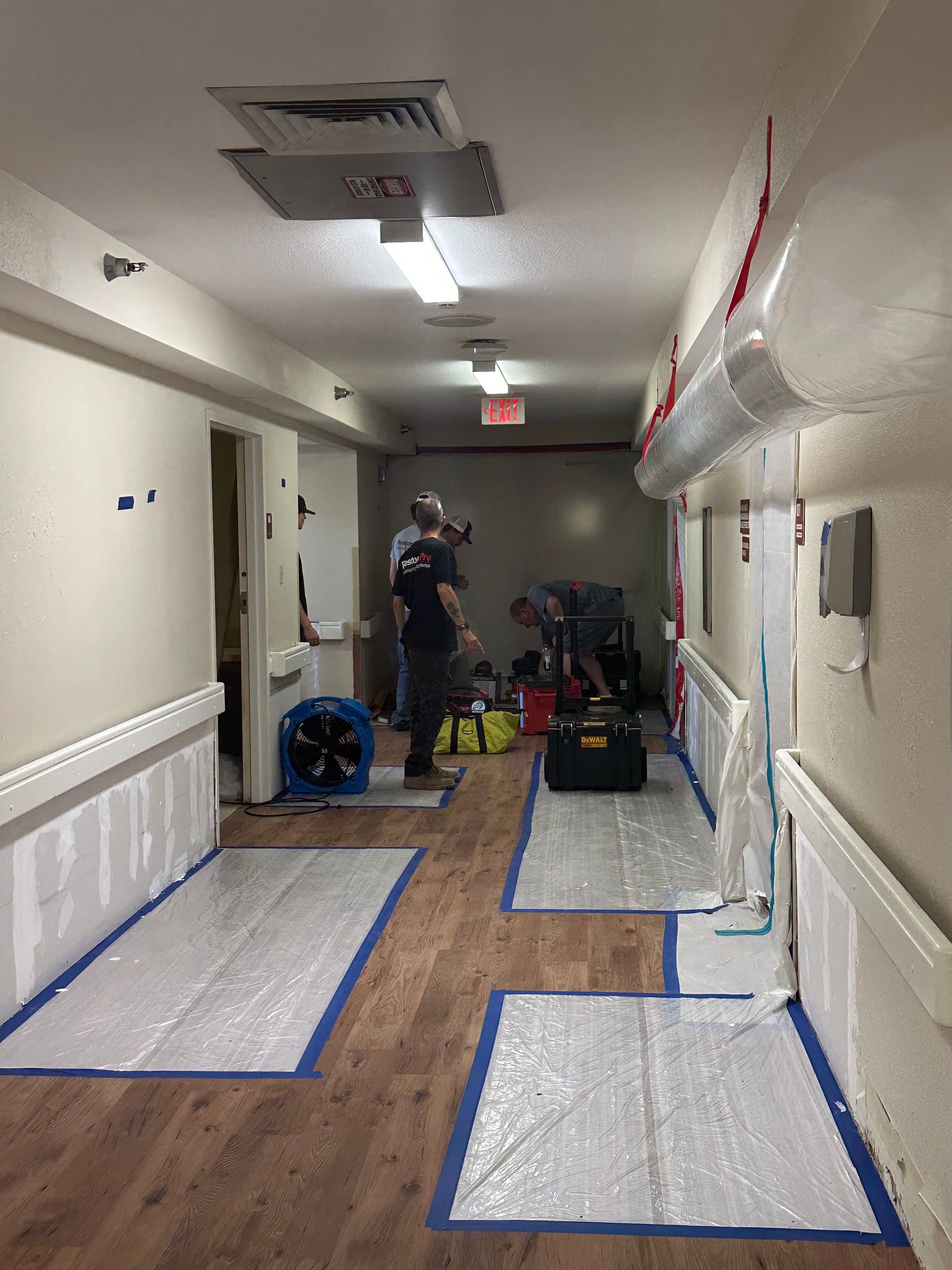
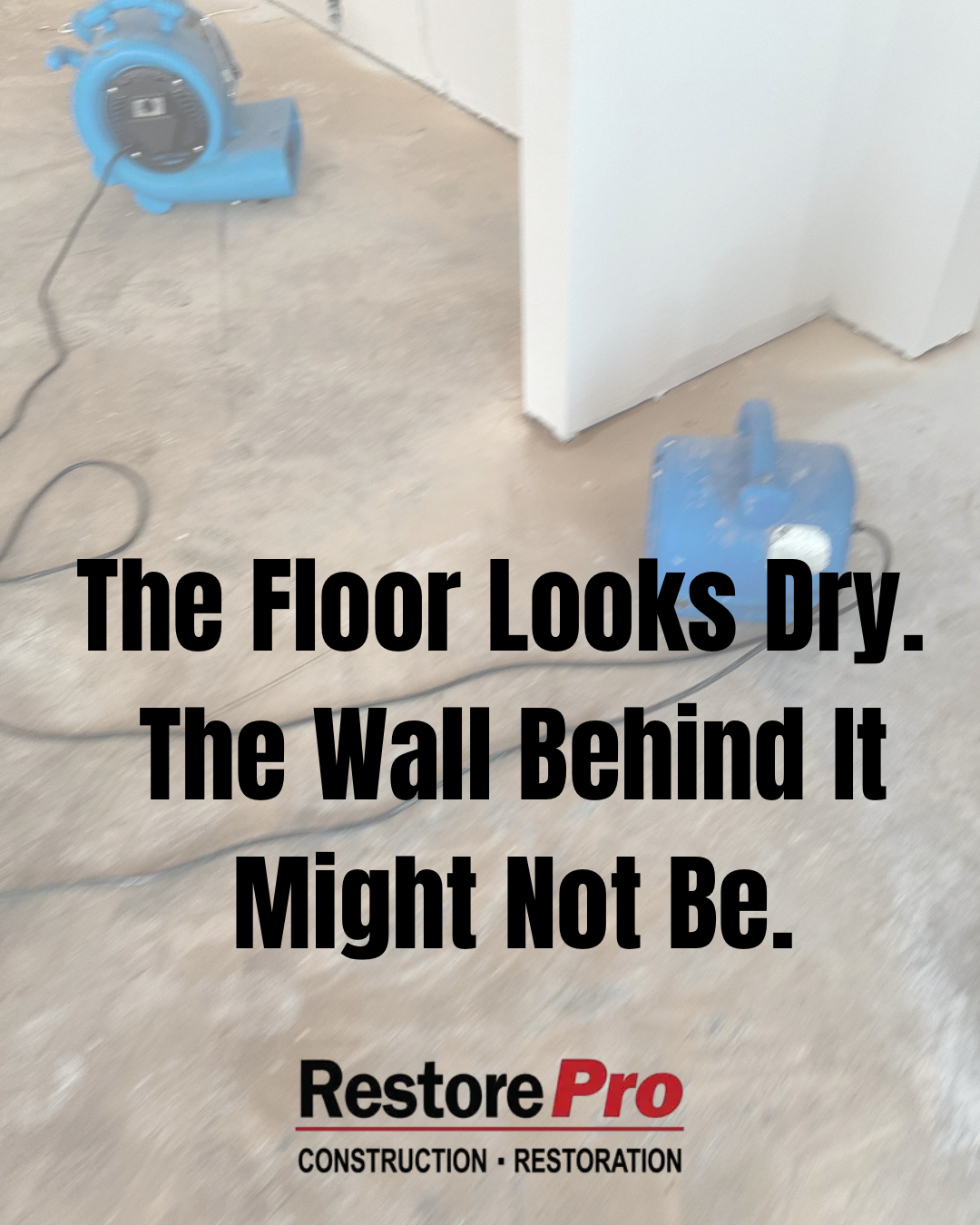
Dry floor with blue fans near a wall; text says, “The floor looks dry. The wall behind it might not be.”

Why Flash Flooding Is Different From a Slow Plumbing Leak

Flash flooding delivers a large volume of water over a short period, often from outside the structure and across multiple building materials at once. The National Weather Service in Flagstaff notes that flash floods are common in Northern Arizona because dry ground, steep terrain, washes, and limited absorption can send runoff moving rapidly through communities. The agency specifically warns that normally dry creeks and washes can become dangerous torrents within minutes.


That pattern matters in Show Low. During Northern Arizona's official monsoon season, which runs from June 15 through September 30, the National Weather Service reports that the region can receive 40 to 50 percent of its annual precipitation. Show Low Airport's normal monsoon rainfall is about 7 inches, and the rain often arrives through concentrated afternoon and evening thunderstorms rather than steady all-day rainfall. We cover the broader sources of local water intrusion in Top 5 Causes of Water Damage in Arizona Homes.

What Makes Flash-Flood Damage Harder to Judge

Flood Condition What Homeowners See What May Be Happening Out of Sight
Water crosses flooring Wet carpet or hard flooring Moisture under flooring and into subfloor
Water reaches drywall Visible water line Wet insulation and wall framing behind it
Water enters at an exterior wall Damp baseboard Saturated sill plate or wall cavity
Water pools near the foundation Mud and standing water Soil erosion or loss of support near the structure
Water moves through cabinets Swollen toe kicks Moisture trapped behind cabinet boxes
Water reaches a crawlspace Damp soil Wet joists, insulation, and concealed framing

The mistake is assuming that visible dryness means the structure is dry.

The First Hidden Problem: Water Behind Drywall

Drywall absorbs water easily, especially along the bottom edge where floodwater sits against the wall. Even after the painted surface begins to look dry, moisture can remain inside the gypsum core or in insulation behind it.


What we look for after flooding:

  • A visible water line
  • Soft or swollen drywall
  • Loose tape or joint compound
  • Baseboards pulling away from the wall
  • Damp insulation behind wall finishes
  • Elevated moisture readings above the visible water line
  • Musty odor developing after the room appears dry


The U.S. EPA's flooded-home guidance emphasizes that wall and floor materials need to be completely dry before rebuilding because trapped moisture can support mold growth and cause materials to lose structural integrity. Homeowners concerned about what may remain after surfaces dry can also read our guide to professional mold inspection after Arizona's rainy season.

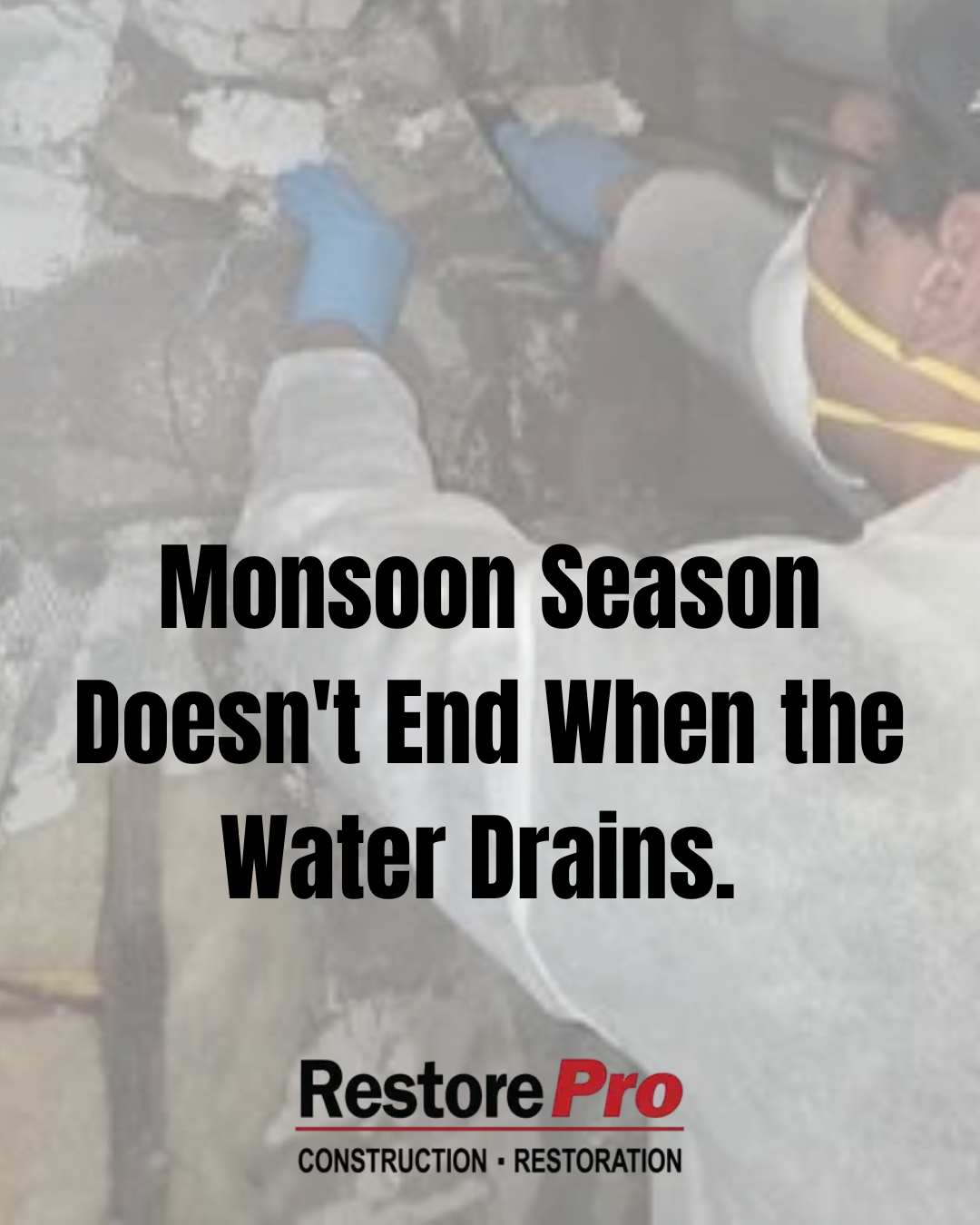
RestorePro ad over flooded debris: “Monsoon Season Doesn’t End When the Water Drains.”

Subfloor and Framing Damage Can Stay Hidden Longer

Floodwater can move beneath carpet, laminate, floating floors, and baseboards before reaching plywood or OSB subflooring. Wall studs, sill plates, and other framing can also absorb moisture without looking obviously damaged. A room may appear dry at the surface while the materials supporting the floor or wall are still holding moisture.


Signs that deeper materials may still be affected include:

  • Soft spots or new movement underfoot
  • Swollen flooring seams
  • Warped planks
  • New squeaks
  • Persistent damp or musty odor
  • Moisture readings that remain elevated after surface drying


Our water damage restoration process includes moisture assessment, structural drying, and dehumidification so we can confirm when concealed materials are actually dry before reconstruction begins.

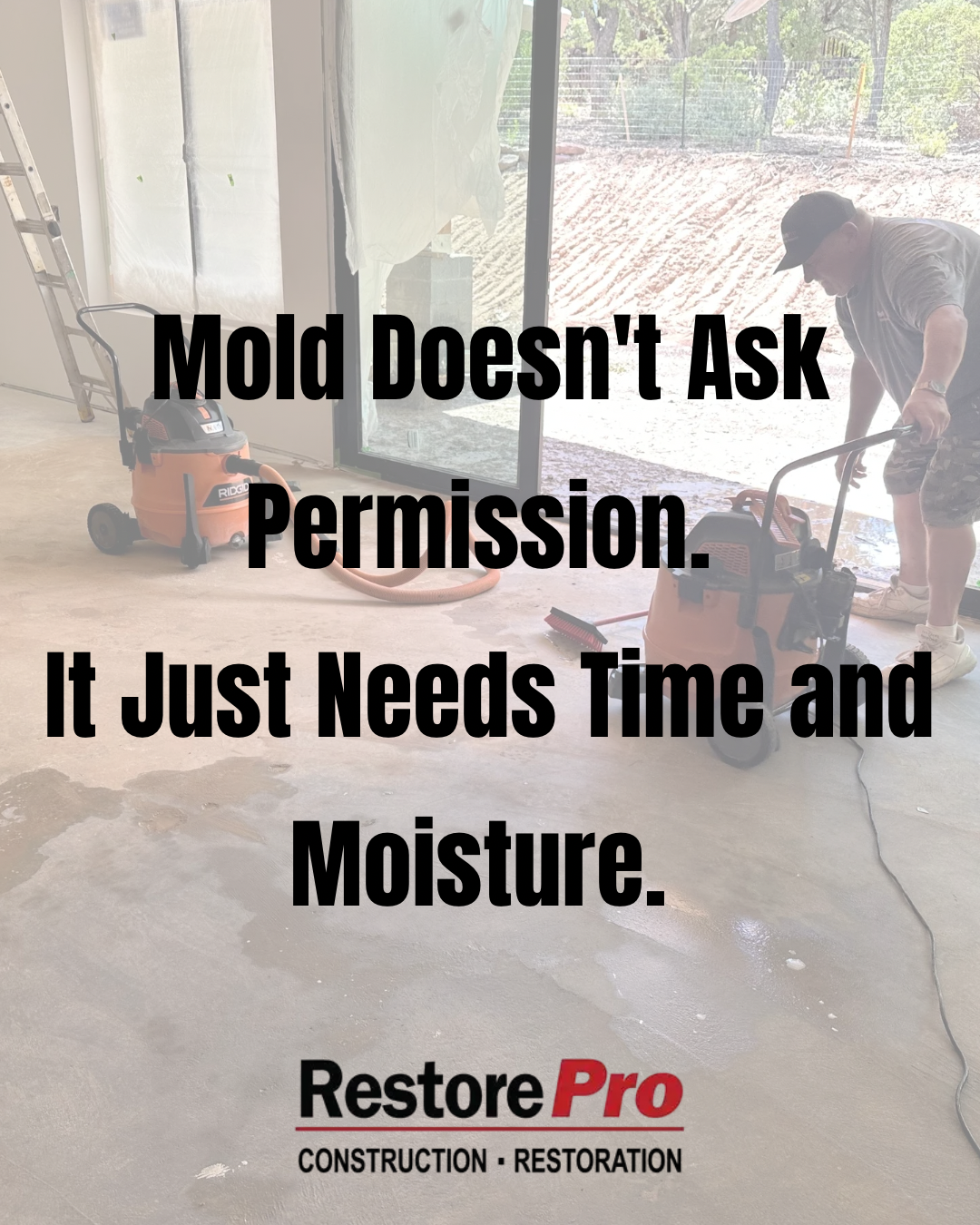
Two workers cleaning a wet concrete floor with the text, “Mold Doesn’t Ask Permission. It Just Needs Time and Moisture.”

Why Surface Dryness Can Be Misleading

After a monsoon storm, exposed flooring and drywall can begin to feel dry before the materials behind them have released the moisture they absorbed. That is especially true in wall cavities, beneath floating floors, around sill plates, and inside insulation where air movement is limited.


The EPA's flood cleanup guidance stresses that drying has to reach the materials behind the visible surface, not just the room itself. That is why moisture readings and structural drying matter even when the home looks noticeably better a day or two after the storm.

When Storm Damage Crosses Into Reconstruction

Some flood losses can be handled through extraction, drying, cleaning, and selective material removal. Others cross into reconstruction when framing, drywall, flooring, cabinets, or other building components are too damaged to remain in place.


Reconstruction may become necessary when:

  • Drywall or insulation cannot be dried safely
  • Subflooring has swollen or lost strength
  • Framing needs repair
  • Cabinets have absorbed too much water
  • Flooring has delaminated or warped
  • Structural movement appears after erosion or saturation


This is where RestorePro's full-service approach matters. Our residential construction team can continue the project after mitigation instead of requiring homeowners to start over with a separate contractor once drying is complete.

What Homeowners Should Do Before Cleanup Begins

Safety comes before cleanup. Floodwater may contain contaminants, electrical systems may be affected, and weakened materials can create hazards that are not obvious from the doorway.


If your Show Low home has taken on floodwater:

  1. Stay out of rooms with standing water near electrical equipment.
  2. Do not turn on wet electrical fixtures or appliances.
  3. Photograph the rooms and damaged contents before major cleanup.
  4. Move valuables only if the area is safe to enter.
  5. Avoid removing structural materials until the damage has been documented.
  6. Call for a professional water and structural assessment.
  7. Contact your insurer and ask what documentation your specific policy requires.


The CDC's post-disaster guidance recommends photographing the home and belongings before cleanup and warns that flooded homes may contain mold even when it is not immediately visible.

Insurance: Flood Water and Storm Water Are Not Always Treated the Same

Insurance terminology matters after a monsoon event. Surface water flowing across normally dry land may fall under flood coverage, while rain entering through storm damage to a roof or another opening may be handled differently depending on the policy.


The National Flood Insurance Program states that most homeowners insurance policies do not cover flood damage and that flood insurance is designed for direct physical loss caused by flooding. Your actual coverage depends on the source of the water and the specific policy, so we document the loss carefully but do not tell homeowners what their insurer will or will not pay. We explain that distinction further in What Your Homeowner's Insurance Actually Covers for Water Damage in Arizona.


Documentation that helps explain the loss:

  • Photos before materials are moved
  • Exterior photos showing water path or storm damage
  • Water lines on walls or contents
  • Moisture readings
  • Rooms and materials affected
  • Emergency mitigation performed
  • Removed materials
  • Repair and reconstruction scope


Our role is to document what happened, what was affected, and what work is required. Coverage decisions belong to the insurance carrier.

How Much Does Monsoon Flood Restoration Cost in Show Low?

There is no reliable flat price for storm damage restoration in Show Low, AZ because the visible amount of water does not tell us how much building material was affected. A shallow flood that reaches several rooms and gets under flooring can require more drying and demolition than deeper water contained to one unfinished area.


RestorePro does not publish a universal flash-flood restoration price because each loss requires an assessment. We can explain the scope after we identify the water path, affected materials, drying requirements, structural repairs, and whether reconstruction is needed.

What Changes the Final Restoration Cost?

Cost Factor Why It Changes the Scope
Number of rooms affected More area means more extraction, drying, and material assessment
Depth and duration of water Longer saturation can affect more layers of construction
Flooring type Carpet, laminate, wood, and tile create different drying challenges
Wall-cavity moisture May require controlled access or material removal
Insulation saturation Wet insulation may need to be removed
Structural drying time More moisture requires longer equipment operation and monitoring
Foundation or erosion damage Structural repair may extend beyond water mitigation
Contents affected Pack-out, cleaning, storage, or disposal can add scope
Reconstruction Drywall, flooring, cabinets, framing, and finishes may need rebuilding

The least expensive restoration is not the one that stops when the floor looks dry. It is the one that identifies the full moisture problem early enough to avoid reopening finished areas later.

Frequently Asked Questions

  • Can a house have structural flood damage even if the water was only a few inches deep?

    Yes. Depth is only one part of the problem. A few inches of water can enter wall cavities, soak base plates, travel beneath flooring, saturate insulation, and affect large areas of subfloor. The path and duration of moisture are often more important than the visible depth alone.

  • How do you find hidden water after a monsoon flood?

    We use moisture assessment methods that can include moisture meters, thermal imaging, inspection openings where needed, and repeated readings during structural drying. The goal is to track where moisture traveled and confirm when affected materials have actually dried.

  • Does RestorePro rebuild after flood mitigation?

    Yes. We handle water extraction, drying, restoration, and reconstruction. If the flood damages drywall, flooring, cabinets, framing, or other parts of the building, our construction team can continue the project through the repair and final walkthrough.

Do Not Let the Water Line Define the Damage

The visible water line tells you how high the flood reached. It does not tell you how far moisture traveled beneath the floor, behind the wall, or into the structure. After a Show Low monsoon storm, the safest restoration decision is based on moisture readings, material condition, and structural assessment rather than appearance alone.


If your home has taken on water from flash flooding, wind-driven rain, or another monsoon event, we can assess the damage, document the affected areas, begin mitigation, and carry the project through reconstruction when repairs are required.


Water Damage Restoration

Residential Construction and Structural Repair

RestorePro Show Low Location

Recent Posts

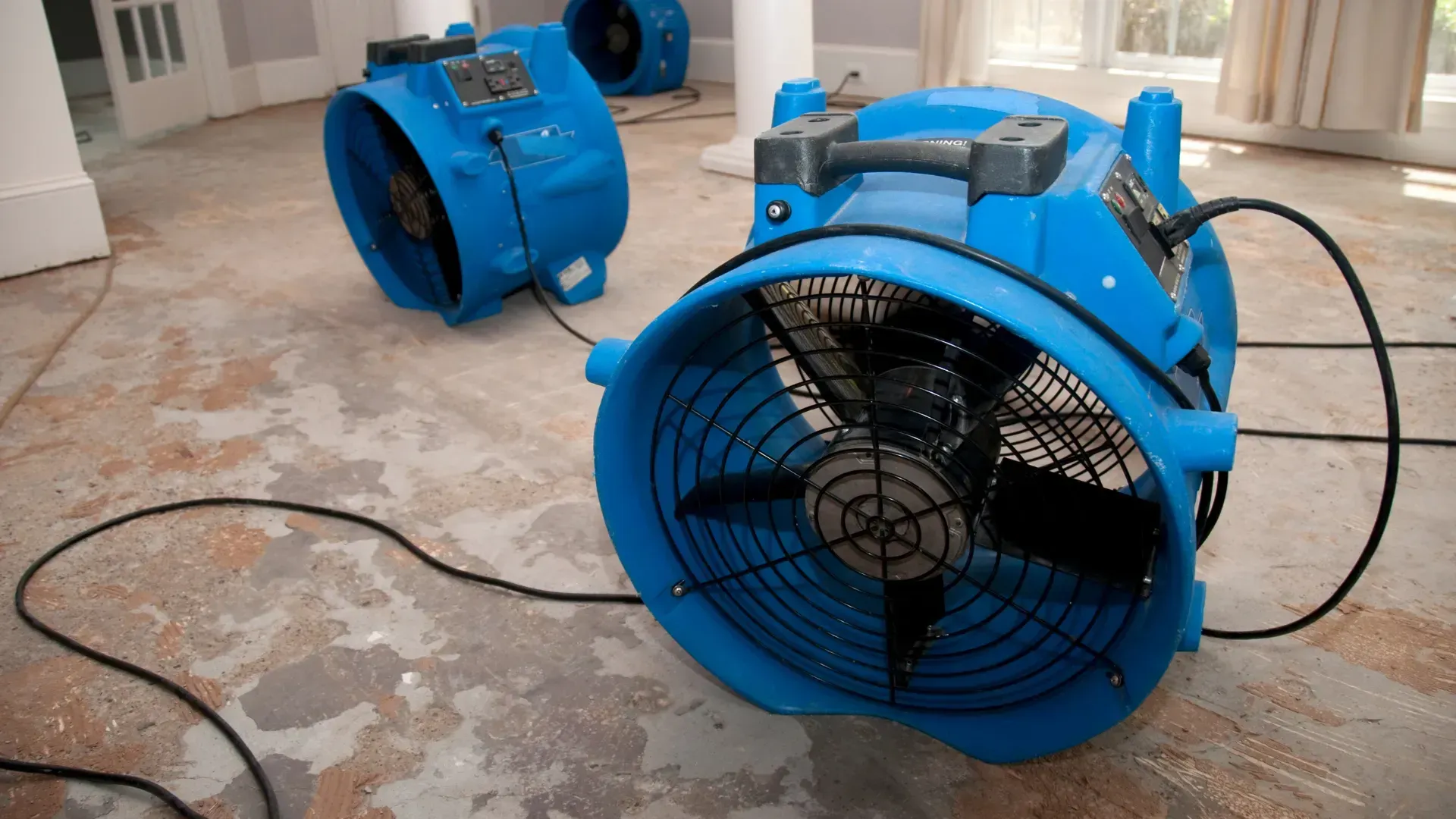
Two blue industrial air movers on a carpeted floor, one facing forward with a visible fan.
August 10, 2026
DIY water cleanup can miss hidden moisture and mold risk. Restore Pro explains which situations need professional water damage restoration in Winslow AZ.

Brown water stain spreading across a carpet near a wall and electrical outlet.
August 4, 2026
Water damage hides in a Payson AZ home long before it shows. RestorePro reveals 5 hidden signs homeowners overlook until they become a costly problem.
Indoor construction area with concrete floor, large windows, and tools/equipment near the wall
July 28, 2026
After a wildfire, a Snowflake AZ home can look fine but still hold smoke residue for months. RestorePro explains what DIY cleanup misses and when to call.
Mold-damaged dining room with stained walls, peeling paint, chandelier, and debris on the floor
July 22, 2026
Show Low sees intense monsoon rain from July–Sept. RestorePro explains why it causes mold, key signs to spot at home, and what to do if mold has started.
Unfinished wooden room interior with exposed beams, tools on floor, and forest visible through large window openings
July 14, 2026
Most Northern AZ homeowners call insurance right after property damage. RestorePro explains why it costs more, what to do instead, and how AZ claims work.
Damaged kitchen with burned ceiling, broken window, and debris around the sink and counters
July 9, 2026
Storm damage in Payson, Show Low, or Snowflake isn't always obvious. RestorePro covers 6 hidden types and what to do after every monsoon or winter storm.
Workers in a narrow hallway clearing debris, with tools, ladders, and black trash bags spread around.
June 30, 2026
First hours after a house fire in Payson, Show Low, or Snowflake AZ shape damage and claims. RestorePro walks you through every step to protect your home.
Two white utility trucks parked beside a brick building on a gravel lot, one with a moving trailer.
June 23, 2026
Storms, water, mold, and fire are top property damage events in Payson AZ. RestorePro explains every step of the claims process and what your policy covers.
Two workers clearing debris in a stripped room with ladder, tools, and black trash bags
June 16, 2026
Monsoons, flooding, and winter freezes leave hidden damage on Snowflake AZ homes. RestorePro covers what to look for, document, and when to call a pro.
June 13, 2026
Northern AZ winters bring freezing temps, ice dams, and pipe bursts. RestorePro explains what to watch for and how to protect your home all season long.
Show More

Is Your Property Damaged Right Now? Do Not Wait.

Every hour without professional mitigation means more structural damage and higher repair costs. Whether you are dealing with standing water, fire residue, or visible mold growth, the fastest decision you can make is calling a team that is already on the way. RestorePro has certified crews on call across Payson, Show Low, Snowflake, and Winslow, ready to respond within 30 minutes of your call.