Black construction crane lifting a black building icon, with a city skyline silhouette

Asbestos Abatement vs Standard Demolition: What Payson AZ Homeowners Need to Know Before Remodeling

August 31, 2026

Share this article

What Snowflake Homeowners Should Check Before Monsoon Season Ends

Removing an old ceiling, tearing out flooring, opening a wall, or gutting a bathroom can look like ordinary demolition until the material being disturbed may contain asbestos. At that point, the project is no longer only about removing finishes quickly. The sequence of testing, containment, removal, disposal, and demolition matters.


At RestorePro, we approach asbestos abatement in Payson, AZ as a pre-demolition planning issue. Not every older material contains asbestos, and not every remodel requires abatement. The important step is identifying suspect material before saws, grinders, scrapers, or demolition tools turn a manageable material into airborne dust.


The safest remodel is the one that answers the asbestos question before demolition begins.

Asbestos abatement or standard demolition? Homeowners remodeling safety guide by RestorePro.

Why September 2026 Is a Good Time to Plan Before Demolition Starts

September can be a practical remodeling window in Payson, but local scheduling rules make early planning important. The Town of Payson Building Division says construction and repair work may begin at 5:00 a.m. through September 1, then shifts to a 6:00 a.m. earliest start beginning September 2. The Town also says a typical single-family residential or duplex permit review takes about 10 working days after plans are submitted.


That matters when a remodel may involve suspect asbestos-containing material. Testing after the demolition crew arrives can stop the project, create rescheduling costs, and leave homeowners making decisions under pressure.


Before scheduling demolition, confirm:

  • Which rooms and materials will be disturbed
  • Whether suspect materials have been professionally tested
  • Whether the project needs a Town of Payson building or demolition permit
  • Whether asbestos removal must happen before demolition
  • Who is responsible for containment and waste disposal
  • When the rebuild can safely begin after abatement


A few days spent answering those questions can prevent a much larger interruption once walls or ceilings are already open.

Standard Demolition and Asbestos Abatement Are Different Jobs

Standard demolition assumes the materials being removed can be handled through normal construction dust controls, debris removal, and disposal procedures. Asbestos abatement adds a hazardous-material process before or during demolition because the goal is to prevent asbestos fibers from spreading into occupied areas or the environment.

Abatement vs Standard Demolition

Project Factor Standard Demolition Asbestos Abatement
Main purpose Remove unwanted building materials Control and remove confirmed asbestos-containing material
Testing Not automatically part of ordinary demolition Used to confirm suspect material before disturbance
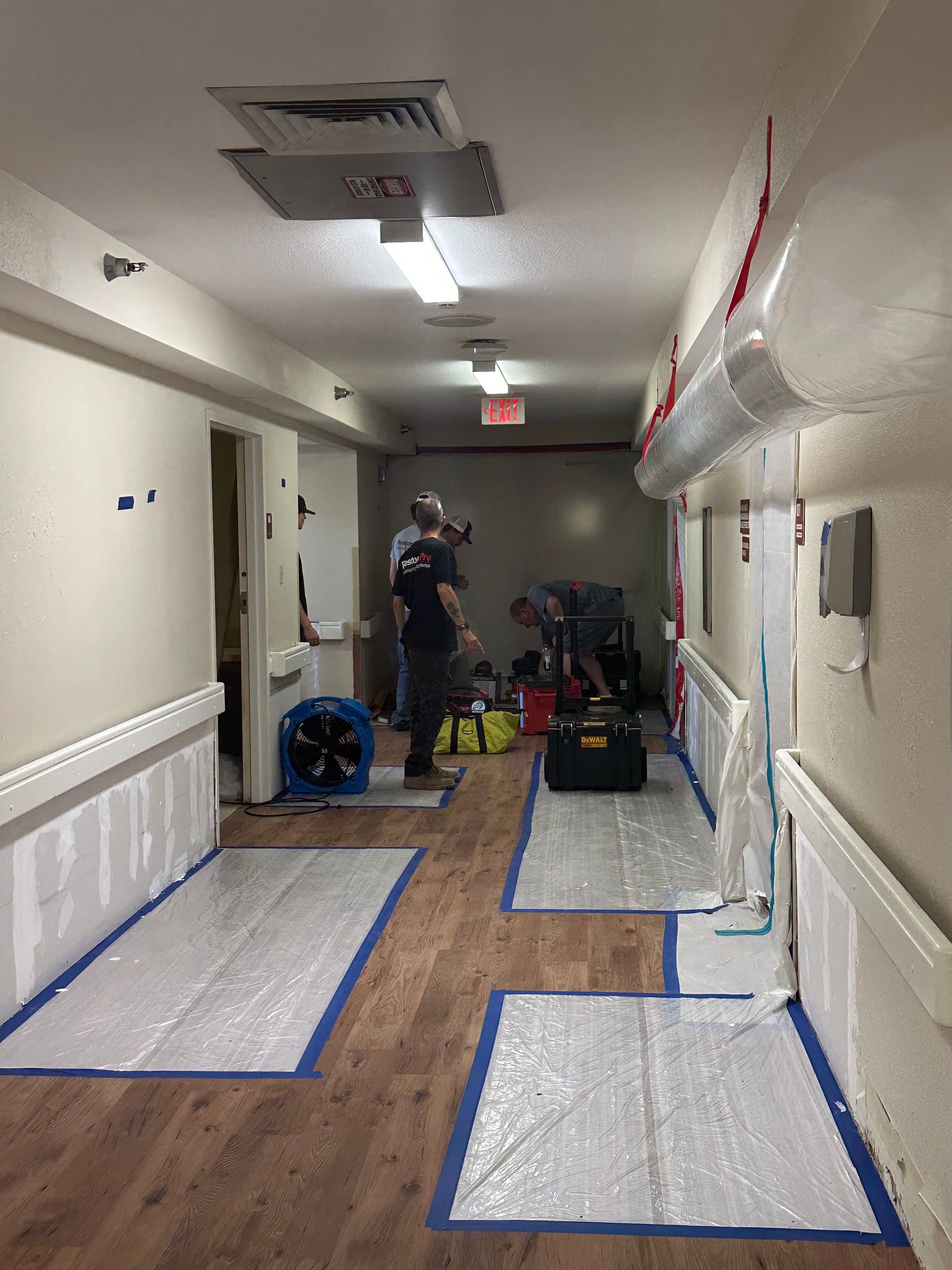
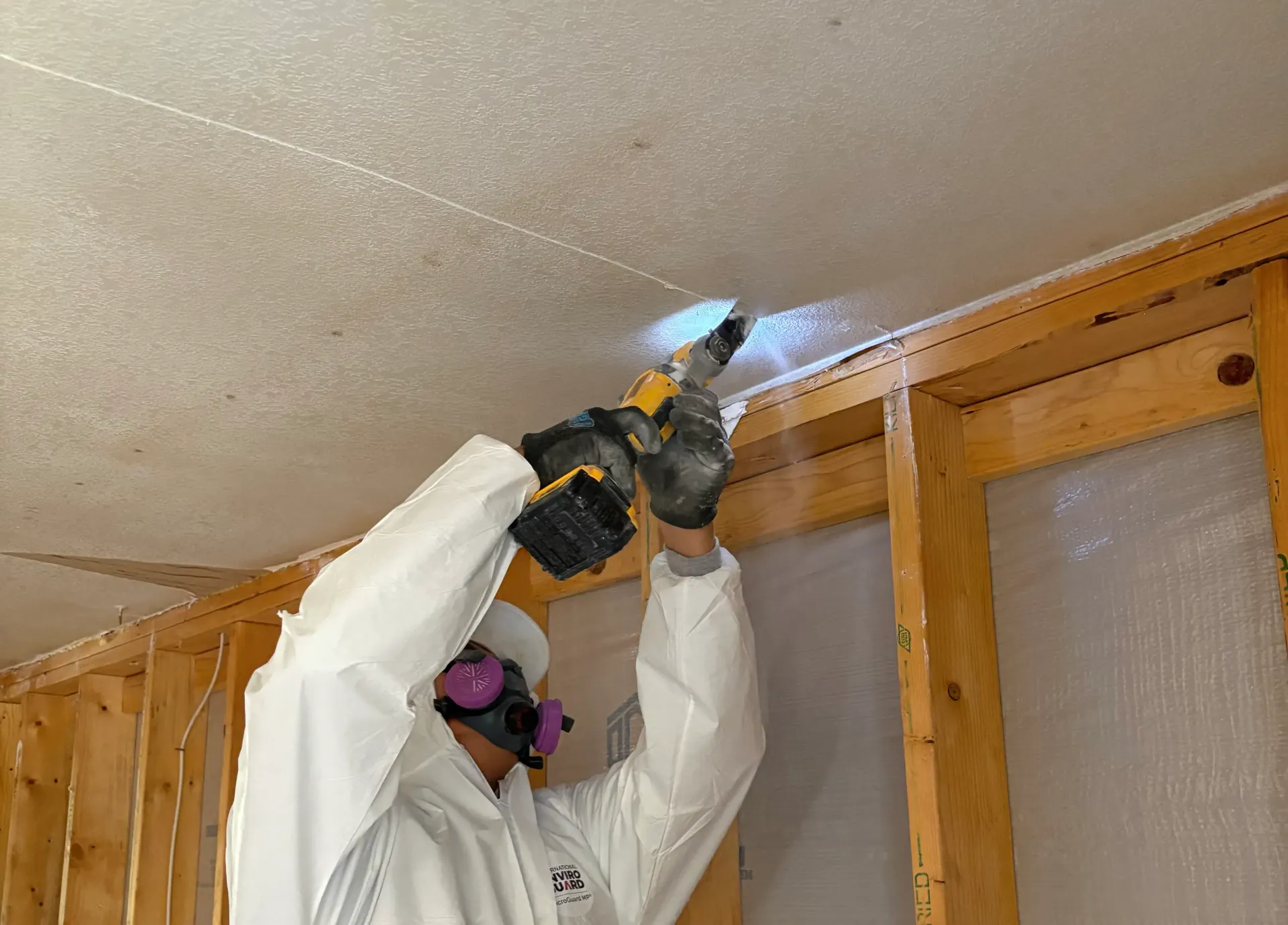
Work area Normal construction isolation and dust control Controlled containment designed for asbestos work
Worker protection Standard construction PPE based on task Asbestos-specific training, respiratory protection, and procedures
Material handling Normal construction debris Regulated handling, packaging, transport, and disposal
Sequence Demo can begin once permits and planning are complete Abatement occurs before affected demolition proceeds
Documentation Construction and disposal records May include survey, lab results, notification, certifications, and waste records

Which Materials Should Be Tested Before a Payson Remodel?

You cannot confirm asbestos by appearance alone. The EPA's updated homeowner remodeling guidance says that if a material may contain asbestos and a renovation will disturb it, the material should be sampled by a properly trained and accredited asbestos professional and analyzed by a qualified laboratory.


In older Northern Arizona properties, suspect materials can include:

  • Vinyl floor tile and older sheet flooring
  • Flooring mastics and adhesives
  • Popcorn or textured ceiling material
  • Drywall joint compound and some plaster systems
  • Pipe and boiler insulation
  • HVAC duct insulation or wrap
  • Cement siding and certain roofing products
  • Insulation around older mechanical systems
  • Fire-resistant panels and specialty building products


Use this simple rule: if an older material will be cut, sanded, scraped, drilled, crushed, or removed and its asbestos status is unknown, test before demolition.

That is especially important for asbestos testing in Show Low, AZ, Payson, Snowflake, Winslow, and other Northern Arizona communities with older residential and commercial buildings.

What Arizona Rules Mean for a Typical Home Remodel

Arizona asbestos requirements depend partly on what type of property is being renovated or demolished. The Arizona Department of Environmental Quality administers the federal Asbestos NESHAP program for most Arizona counties, including Gila County.


For regulated facilities, ADEQ requires a thorough asbestos inspection before renovation or demolition. Renovation projects can trigger notification when regulated asbestos-containing material reaches federal threshold amounts. Total or partial demolitions of regulated facilities require notification even when asbestos is not found.


Federal NESHAP thresholds for regulated renovation work include:

  • 160 square feet or more on facility components
  • 260 linear feet or more on pipes
  • 35 cubic feet or more of material removed from components


ADEQ says notification generally must be provided at least 10 working days before qualifying demolition or renovation work.

There is an important homeowner distinction. Under federal NESHAP, a residential building with four or fewer dwelling units is generally excluded from the definition of a regulated facility, unless circumstances cause it to be treated as part of a larger installation or regulated project. The EPA confirms this federal residential exclusion.


That exclusion does not mean asbestos is safe to disturb or that every local project can proceed without testing, permits, worker protections, or disposal requirements. The EPA still recommends professional sampling when a homeowner plans to disturb suspect material, and the Town of Payson recommends involving its Building Division early when altering a structure.


For a residential remodel, we treat the property type, work scope, material test results, local permit requirements, and worker-safety obligations as separate questions rather than assuming one exemption answers all of them.

What Happens When Testing Confirms Asbestos?

Our job is to identify what must be controlled or removed so the construction work can proceed without spreading fibers through the home. RestorePro handles asbestos containment, removal, and compliant disposal as part of its hazardous-material and construction capabilities.


A typical project can include:

  1. Review the asbestos survey and laboratory results.
  2. Define exactly which materials will be disturbed by the remodel.
  3. Establish the work area and required containment.
  4. Protect adjacent occupied areas from cross-contamination.
  5. Remove or manage the asbestos-containing material using the appropriate procedure.
  6. Package and transport asbestos waste through the required disposal process.
  7. Complete required documentation or clearance steps for the project.
  8. Release the area for the next construction phase when appropriate.


We do not want to remove more material than the project requires without a reason. We also do not want standard demolition beginning before confirmed asbestos is properly addressed.

What If Demolition Has Already Started?

This is one of the most important real-life situations homeowners should know how to handle.


If a contractor or homeowner opens a wall, scrapes a ceiling, pulls old flooring, or damages insulation and then realizes the material may contain asbestos, stop disturbing it. Do not continue demolition just to finish the room.


Until the material has been evaluated:

  • Keep people and pets out of the affected area
  • Do not dry sweep the debris
  • Do not use a household vacuum on suspect dust
  • Do not sand, scrape, drill, or break more material
  • Avoid carrying dusty debris through clean areas of the house
  • Tell the asbestos professional exactly what was disturbed and how
  • Photograph the area from a safe distance if documentation is needed


If this happens during a planned renovation, call for professional asbestos removal in Payson, AZ before standard demolition resumes. The same principle applies to asbestos removal in Snowflake, AZ and asbestos abatement in Winslow, AZ when older finishes are uncovered during construction.

When Can Standard Demolition Proceed Normally?

Asbestos abatement is not a required add-on to every demolition project. Standard demolition can proceed when the materials being disturbed have been evaluated appropriately and asbestos is either not present, will remain safely undisturbed, or has already been addressed under the project plan.


Normal demolition is more straightforward when:

  • Testing shows suspect materials do not contain asbestos
  • Confirmed asbestos is outside the area being disturbed and can remain intact
  • Required abatement has already been completed
  • Local permits and project approvals are in place
  • The demolition contractor understands what materials may and may not be disturbed
  • Waste streams and disposal requirements have been planned


Our demolition services include selective demolition, structural demolition, interior demolition, and site clearing. When asbestos is part of the building, RestorePro can coordinate that hazardous-material scope with the demolition plan rather than treating the two jobs as unrelated.

What Does Asbestos Testing and Abatement Cost in 2026?

For estimated 2026 market context, Angi's July 2026 asbestos testing data puts professional testing at about $231 to $776, with an average around $483. Angi's asbestos testing cost guide notes that home size, number of samples, access, and laboratory analysis affect the final cost.


For removal, Angi's August 1, 2026 cost update reports approximately $1,215 to $3,283 for many indoor abatement projects, with an overall average around $2,248 and a broader range that can extend from several hundred dollars to more than $6,000 depending on the project. Angi's 2026 asbestos removal guide also gives an estimated $5 to $20 per square foot for many interior removal situations. Use these figures as early budgeting context until the actual material, area, access, and containment scope are known.

What Changes an Asbestos Abatement Estimate?

Cost Factor Why It Matters
Number of samples More suspect materials can require more laboratory analysis
Material type Flooring, ceilings, pipe insulation, and wall systems require different methods
Amount of material A small bathroom area differs from several rooms or whole-building work
Friability and condition Crumbling or easily disturbed material requires tighter controls
Accessibility Attics, crawlspaces, ceilings, and confined areas can increase labor
Containment size Larger work zones require more setup and control
Demolition required Accessing hidden asbestos can expand the construction scope
Waste volume Packaging, transport, and disposal increase with material quantity
Clearance/documentation Project requirements can add inspection or testing steps
Rebuilding Drywall, flooring, insulation, or finishes may need replacement after removal

Practical budgeting tip: price the asbestos scope and the reconstruction scope separately. A homeowner should know what is being spent to test and remove hazardous material and what is being spent to rebuild the room afterward.


That makes it much easier to compare a remodel budget without treating abatement as unexplained demolition cost.

Frequently Asked Questions

  • Can I tell whether a popcorn ceiling contains asbestos by looking at it?

    No. The EPA says asbestos cannot be confirmed visually. If a suspect ceiling will be disturbed during remodeling, use a trained asbestos professional to collect samples and have them analyzed by a qualified laboratory.

  • Does every older Payson home need asbestos abatement before remodeling?

    No. Age alone does not prove that asbestos is present. The question is whether suspect building materials are present and whether the remodel will disturb them. Testing gives you that answer before demolition starts.

  • Do federal asbestos demolition rules apply to a single-family home?

    A typical one-to-four-unit residential building is generally excluded from the federal NESHAP facility definition, although exceptions can apply. That federal exclusion does not eliminate health concerns, local permit requirements, contractor safety rules, or the EPA recommendation to test suspect materials before disturbing them.

  • Should asbestos be removed if it will not be disturbed?

    Not automatically. Material that is confirmed or suspected to contain asbestos may sometimes remain in place when it is intact and will not be disturbed. The right decision depends on material condition, future renovation plans, location, and professional evaluation.

  • Does RestorePro provide asbestos services outside Payson?

    Yes. We serve Northern Arizona property owners needing asbestos abatement in Winslow, AZ, asbestos removal in Snowflake, AZ, asbestos testing in Show Low, AZ, and abatement support throughout Payson and surrounding communities.

Test First, Then Demolish With a Clear Plan

The biggest mistake in an asbestos-related remodel is not choosing the wrong demolition tool. It is starting demolition before anyone knows what the material contains.


At RestorePro, we help homeowners separate the asbestos question from the construction question. We identify what needs to be tested, plan containment and removal when asbestos is confirmed, and then move the project into demolition and reconstruction in the correct sequence.


RestorePro holds Arizona ROC License No. 155435 and provides asbestos abatement, demolition, residential construction, and full restoration services across Northern Arizona. That means a Payson homeowner can move from assessment through safe demolition with asbestos in Payson, AZ to rebuilding without coordinating multiple disconnected contractors.


RestorePro Asbestos Abatement and Removal
Residential Construction and Remodeling
Demolition Services
RestorePro in Payson
RestorePro in Snowflake

Recent Posts

Person in white protective suit inspecting a moldy, empty room with stained walls and bare floor.
August 24, 2026
Discover 4 hidden places mold can grow after Snowflake monsoon storms, what warning signs to watch for, and when professional remediation makes sense.
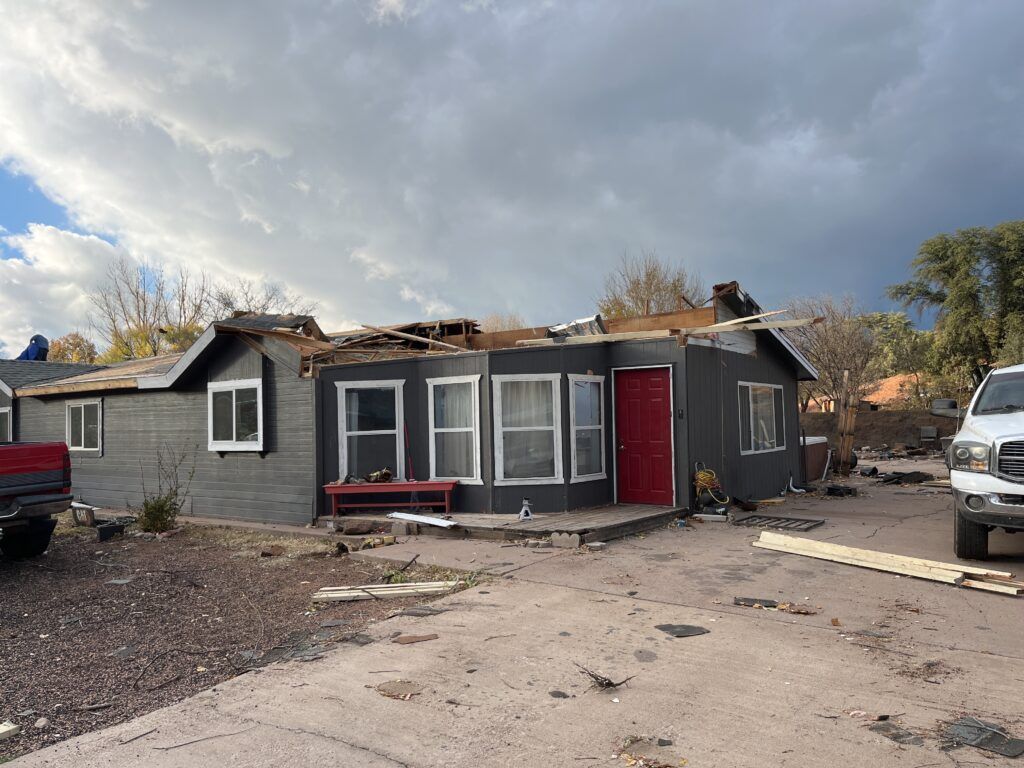
Damaged single-story house with a collapsed roof, red door, and debris in a driveway under cloudy skies
August 17, 2026
Monsoon flash flooding can leave hidden structural damage behind. Learn what Show Low homeowners should inspect, dry, document, and repair.
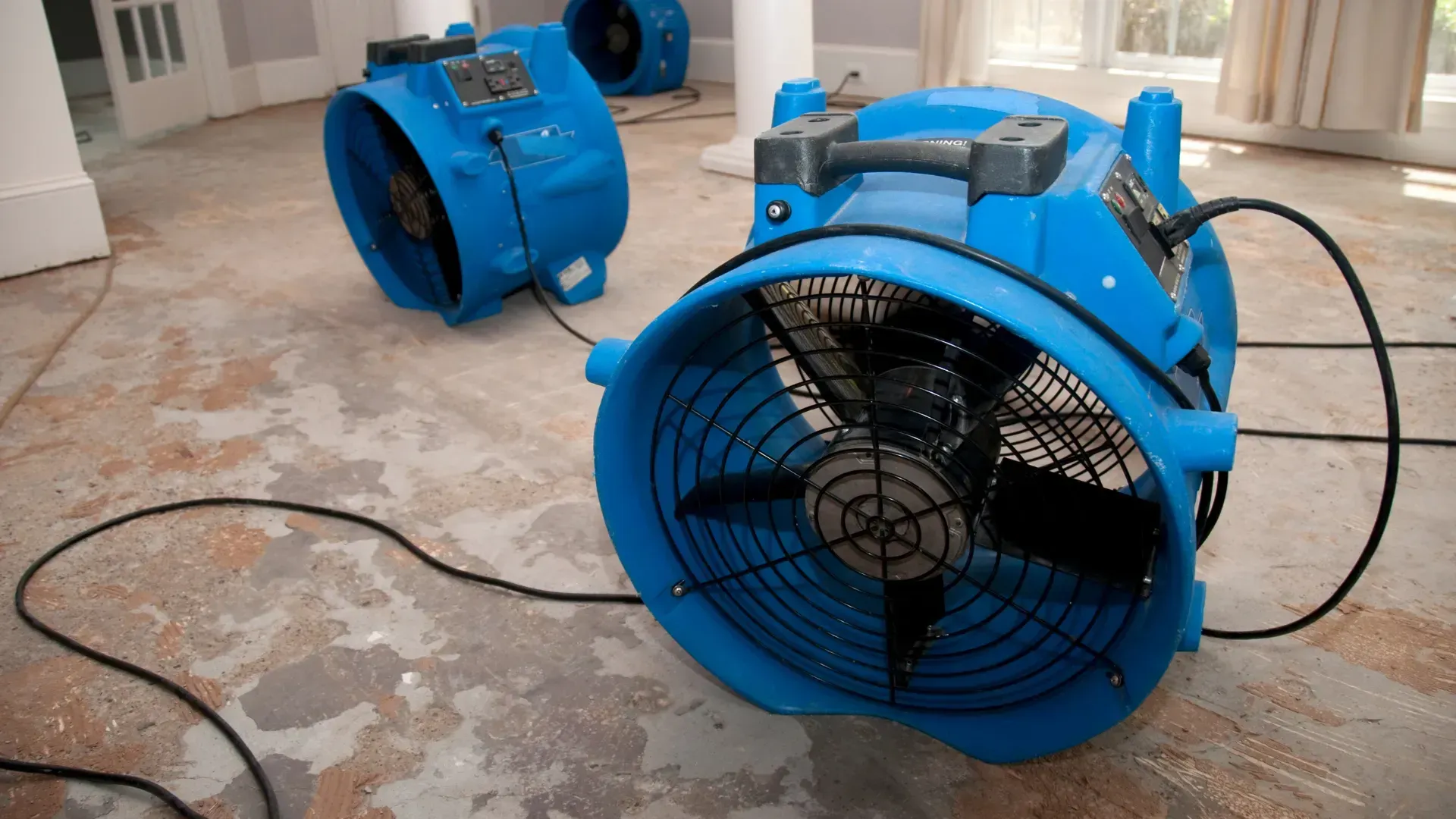
Two blue industrial air movers on a carpeted floor, one facing forward with a visible fan.
August 10, 2026
DIY water cleanup can miss hidden moisture and mold risk. Restore Pro explains which situations need professional water damage restoration in Winslow AZ.

Brown water stain spreading across a carpet near a wall and electrical outlet.
August 4, 2026
Water damage hides in a Payson AZ home long before it shows. RestorePro reveals 5 hidden signs homeowners overlook until they become a costly problem.
Indoor construction area with concrete floor, large windows, and tools/equipment near the wall
July 28, 2026
After a wildfire, a Snowflake AZ home can look fine but still hold smoke residue for months. RestorePro explains what DIY cleanup misses and when to call.
Mold-damaged dining room with stained walls, peeling paint, chandelier, and debris on the floor
July 22, 2026
Show Low sees intense monsoon rain from July–Sept. RestorePro explains why it causes mold, key signs to spot at home, and what to do if mold has started.
Unfinished wooden room interior with exposed beams, tools on floor, and forest visible through large window openings
July 14, 2026
Most Northern AZ homeowners call insurance right after property damage. RestorePro explains why it costs more, what to do instead, and how AZ claims work.
Damaged kitchen with burned ceiling, broken window, and debris around the sink and counters
July 9, 2026
Storm damage in Payson, Show Low, or Snowflake isn't always obvious. RestorePro covers 6 hidden types and what to do after every monsoon or winter storm.
Workers in a narrow hallway clearing debris, with tools, ladders, and black trash bags spread around.
June 30, 2026
First hours after a house fire in Payson, Show Low, or Snowflake AZ shape damage and claims. RestorePro walks you through every step to protect your home.
Two white utility trucks parked beside a brick building on a gravel lot, one with a moving trailer.
June 23, 2026
Storms, water, mold, and fire are top property damage events in Payson AZ. RestorePro explains every step of the claims process and what your policy covers.
Show More

Is Your Property Damaged Right Now? Do Not Wait.

Every hour without professional mitigation means more structural damage and higher repair costs. Whether you are dealing with standing water, fire residue, or visible mold growth, the fastest decision you can make is calling a team that is already on the way. RestorePro has certified crews on call across Payson, Show Low, Snowflake, and Winslow, ready to respond within 30 minutes of your call.